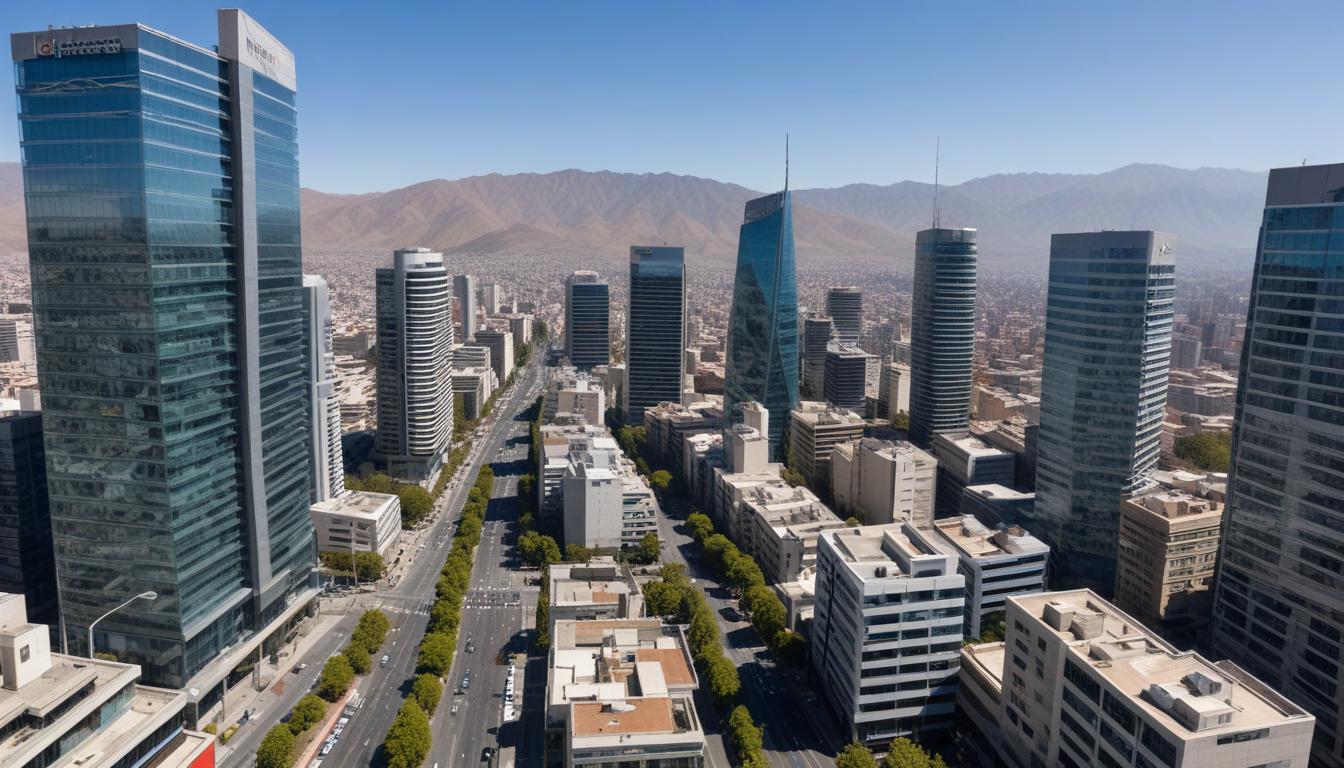
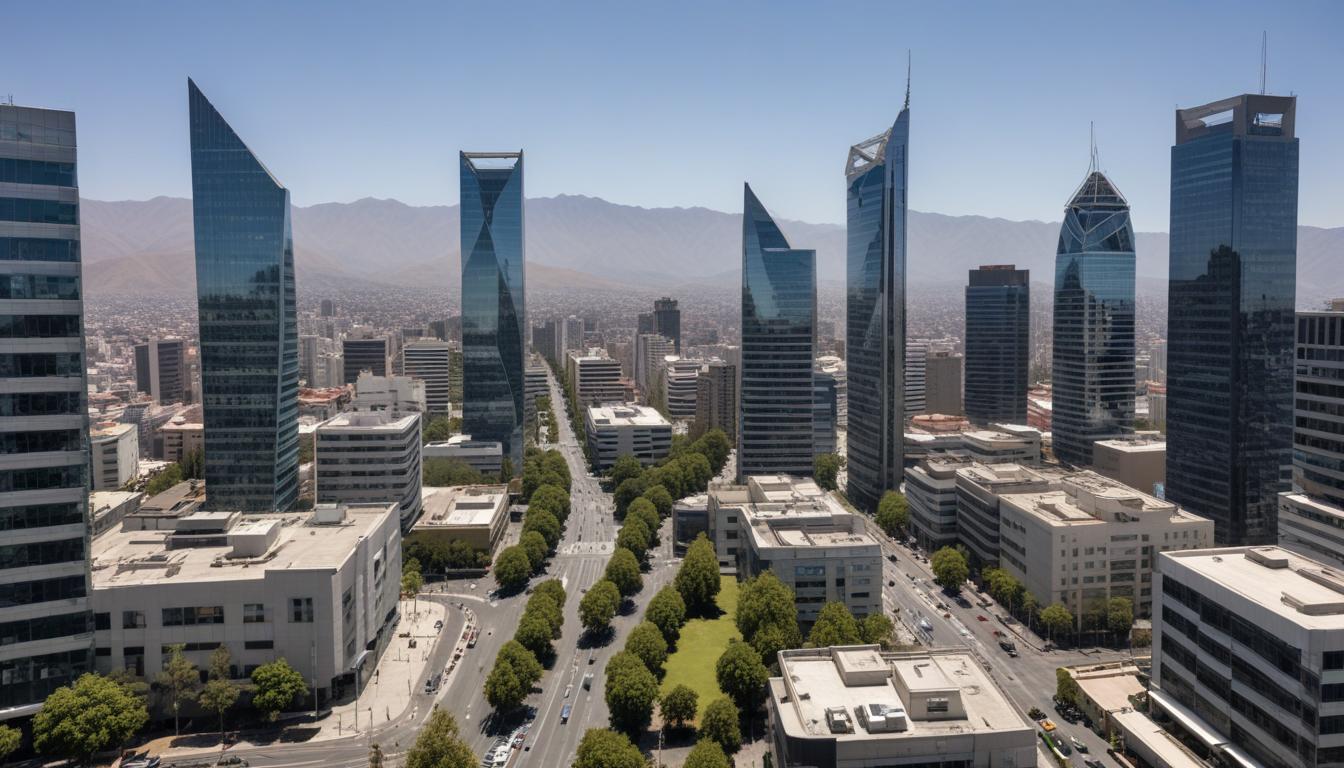
Santiago Restaurants Reopening: Where Diners Are Spending
Santiago's restaurant scene rebounds with 34% foot traffic growth in Lastarria and Bellavista. Which neighborhoods are capturing dining demand?
Santiago's restaurant scene rebounds with 34% foot traffic growth in Lastarria and Bellavista. Which neighborhoods are capturing dining demand?
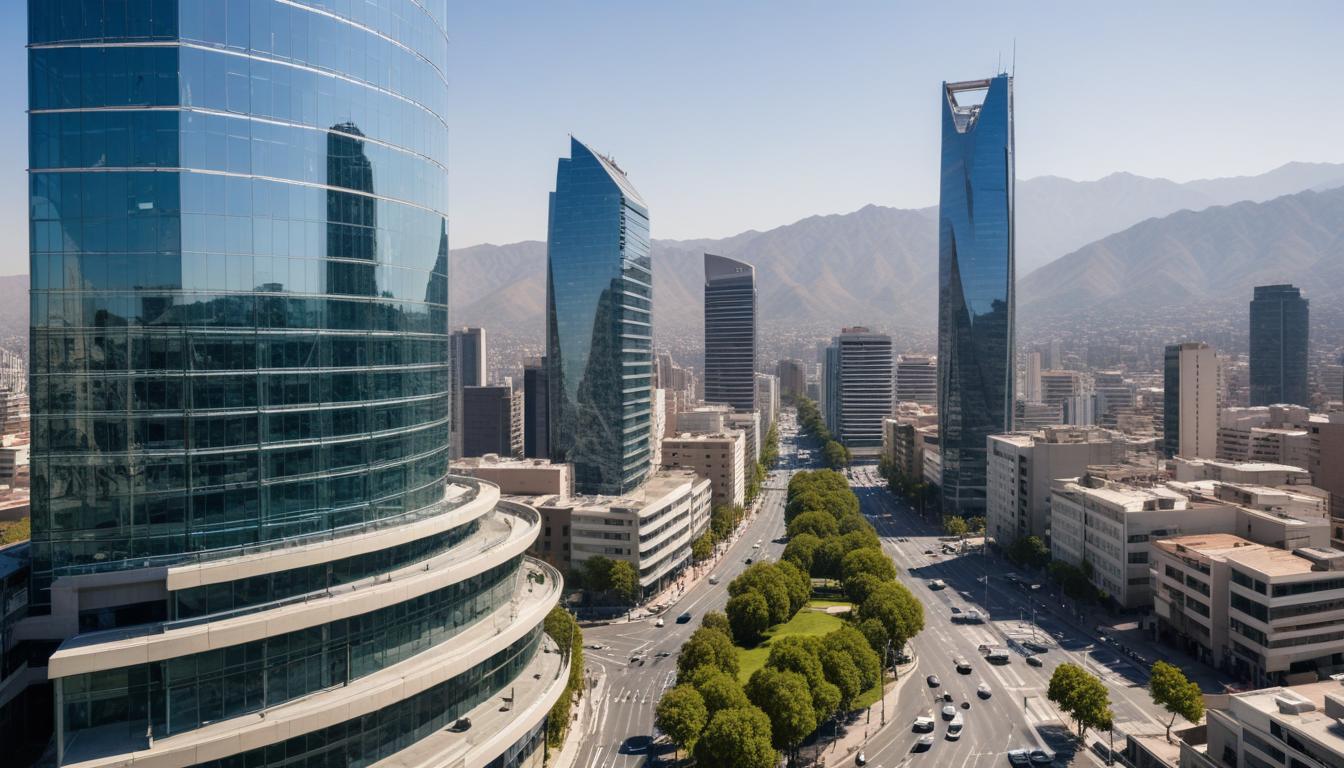
Santiago's hospitality sector is experiencing a decisive pivot. After eighteen months of cautious spending, middle and upper-income diners are returning to restaurants with renewed appetite—and wallets. Industry data from the Chamber of Commerce shows foot traffic in Lastarria and Bellavista up 34% year-over-year, while average transaction values in these neighbourhoods have climbed 18%, signalling genuine demand rather than mere traffic recovery.
The winners so far tell a revealing story. Established players who invested in kitchen infrastructure during the lean years are now harvesting returns. Several mid-range establishments along Merced Street and in the Yungay corridor—venues that maintained quality while competitors cut corners—report table turnover rates exceeding pre-pandemic levels. Crucially, those operators who embraced delivery integration without abandoning dine-in experiences have diversified revenue streams effectively. One prominent group managing five locations across the city's eastern sector reports that hybrid operations now generate 28% of revenue from digital channels, providing critical stability.
The real opportunity, however, lies in the experiential segment. Venues combining food service with cultural programming, wine education, or artisanal retail are commanding premium pricing. The Barrio Brasil precinct—long overlooked by major hospitality capital—is attracting investment precisely because landlords recognise the neighbourhood's younger demographic and Instagram-friendly aesthetic. Rents there remain 40-50% below Lastarria equivalents, yet draw comparable clientele on weekends.
Staffing remains the sector's constraint. Hospitality wages have risen approximately 12% since early 2025, compressing margins for lower-volume operators. Those who hired and retained staff during downturns now possess competitive advantage. Training costs and consistency cannot be replicated quickly.
Foreign investment is noticing. Several Miami-based restaurant groups are conducting site visits in Santiago, targeting both beachfront expansion possibilities and the capital's emerging food-hall model. The success of curated food markets near Quinta Normal has validated the format locally.
For independent operators, the calculus is tightening. Success increasingly depends on either securing prime real estate early—before landlords capitalise on renewed demand—or finding undervalued neighbourhoods before they become fashionable. The window for both strategies is narrowing as commercial brokers report increased activity and longer lease negotiations.
By mid-2027, the current opportunity will likely have consolidated further. Operators who move decisively now—securing locations, building teams, and establishing identity—will occupy the commanding positions. The market is rewarding speed and conviction.
This article was compiled by AI from the sources linked above and screened before publishing. See our editorial standards.
How does this story make you feel?
Spread the word
About this article
Published by The Daily Santiago
Daily brief
Free, in your inbox before 7am. Weekdays.
More in Business