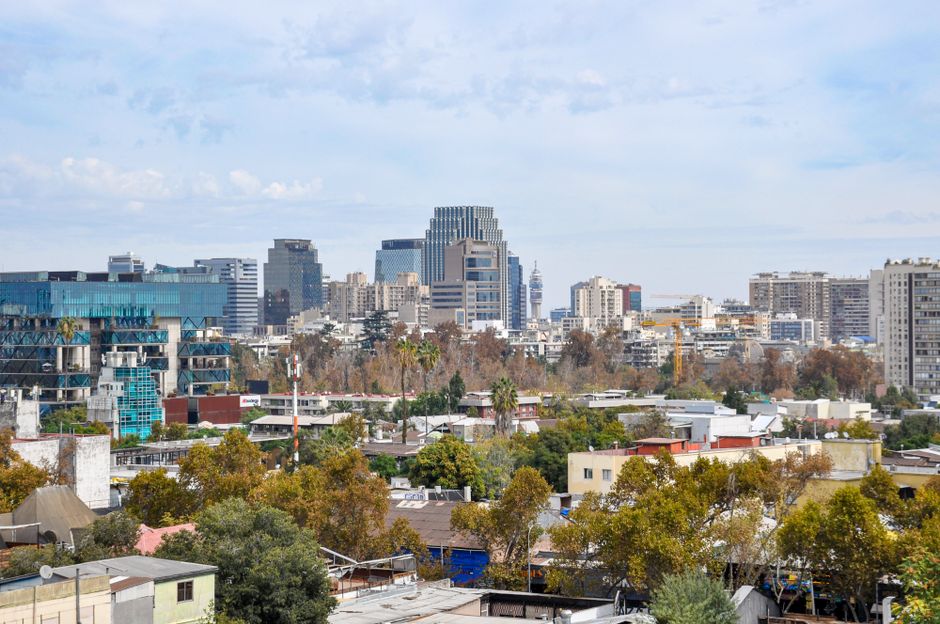
Santiago's tourism sector is sending mixed but compelling signals to investors tracking the city's economic trajectory. Year-to-date figures show international visitor arrivals up 14 percent compared to the same period last year, with average daily spending per tourist climbing to $187—a meaningful increase from $156 in 2025. Yet the real story lies deeper in where capital is flowing and what it signals about confidence in the city's hospitality future.
Hotel occupancy rates in central neighborhoods tell a nuanced picture. Properties in Lastarria, where boutique conversions have transformed colonial mansions into luxury accommodations, are running at 78 percent capacity during peak season. Meanwhile, mid-range establishments along Avenida Providencia report 62 percent occupancy, suggesting uneven recovery across market segments. This disparity has prompted institutional investors to target specific zones rather than blanket the market.
The investment data underscores this precision. Over the past eighteen months, approximately $340 million has flowed into Santiago hospitality projects, according to tracking by local real estate advisors. Nearly 60 percent targets upscale properties—new builds and renovations in neighborhoods like Bellavista and around Cerro Santa Lucia. By contrast, budget and mid-range segments have attracted just 22 percent of capital, with the remainder funding restaurant, retail and experiential venues.
This capital concentration reflects investor perception of where spending power concentrates. International visitors account for roughly 68 percent of hotel revenue, with North American and European travelers favoring higher-end experiences. Regional tourists from across South America tend toward moderate pricing, creating the occupancy gap visible in mid-market data.
Convention and event tourism—historically a reliable revenue stream—generated $52 million in direct spending during the first half of 2026. The Espacio Riesco conference complex and venues near the Barrio Italia cultural district have hosted forty major events, driving both room nights and restaurant traffic along Lastarria's restaurant corridor.
Currency movements deserve attention. The Chilean peso's relative strength against major currencies has made Santiago modestly less expensive for foreign visitors compared to regional competitors, a factor analysts credit with supporting the 14 percent arrival growth. However, this currency advantage could prove temporary if global volatility shifts.
Looking forward, investor appetite hinges on political stability, infrastructure improvements to Pudahuel Airport, and the city's ability to diversify beyond traditional heritage tourism. Announcements of new boutique hotel projects in Ñuñoa and expanded cultural programming suggest confidence persists—even if it flows selectively through the city's neighborhoods.
This article was compiled by AI and screened before publishing. See our editorial standards.