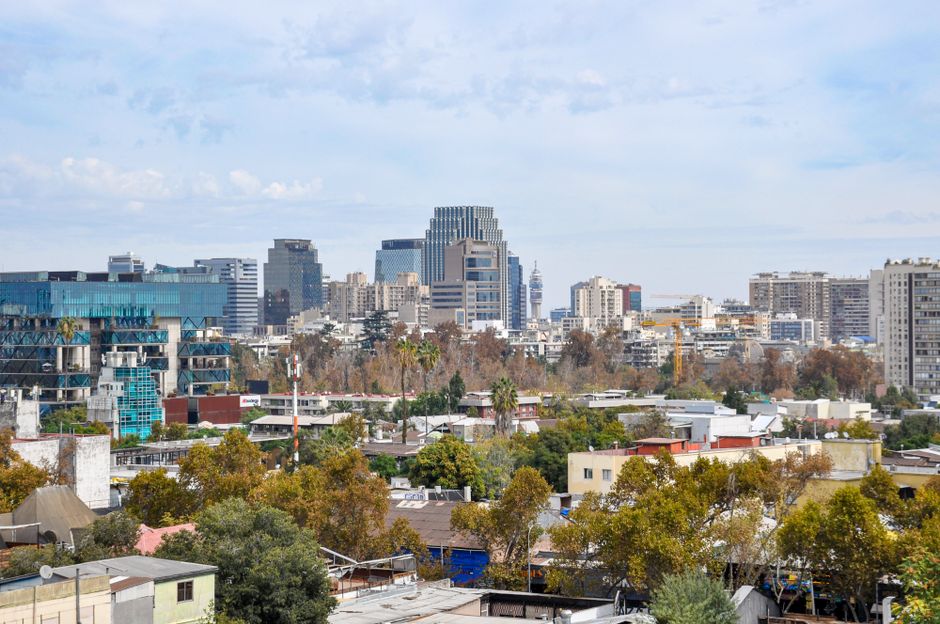
Santiago Office Market Vacancy Rates Hit 15% in 2026
Hybrid work reshapes Santiago's commercial real estate. Vacancy rates surge in Providencia and Las Condes as rental yields compress, forcing landlords to adapt strategies.
Hybrid work reshapes Santiago's commercial real estate. Vacancy rates surge in Providencia and Las Condes as rental yields compress, forcing landlords to adapt strategies.
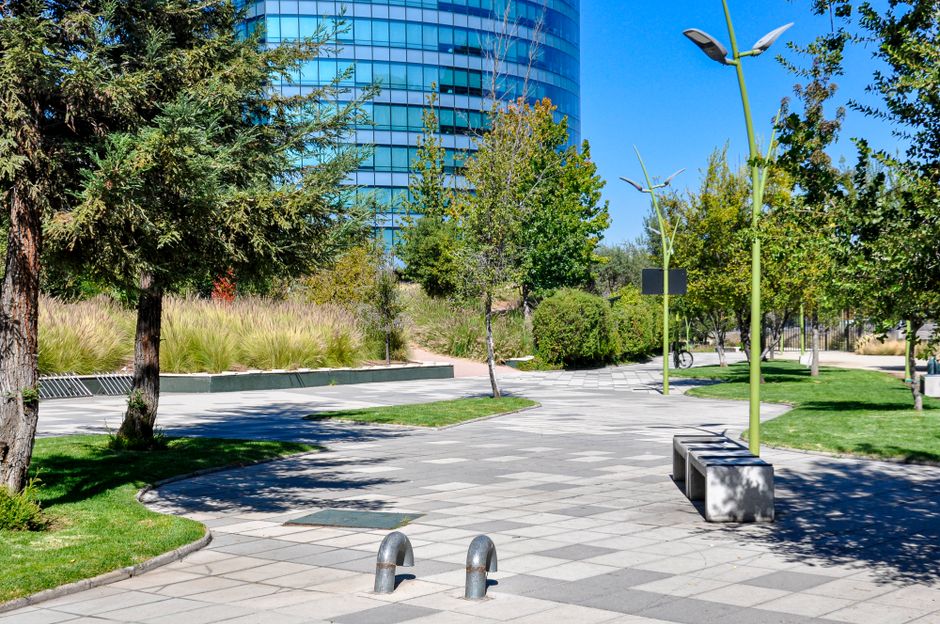
Santiago's once-booming commercial real estate sector is confronting a sobering reality as 2026 progresses: the structural shifts accelerated by the pandemic have become permanent, and landlords across Providencia, Las Condes, and the CBD are grappling with consequences that show no sign of abating.
The numbers tell a cautionary tale. Vacancy rates in premium office space along Avenida Andrés Bello and the Costanera Center corridor have climbed to levels not seen since the early 2020s, with some Class A properties hovering near 15 percent—a sharp departure from the sub-8 percent equilibrium of pre-pandemic years. Meanwhile, rental yields on office investments have compressed to single digits in prime locations, a dramatic compression that has deterred institutional capital flows.
The culprit is straightforward: hybrid working arrangements, initially dismissed as temporary pandemic measures, have calcified into corporate policy across multinational firms and local champions alike. Major technology companies, financial services groups, and professional services firms operating from the Park Plaza and El Golf neighborhoods are now standardizing three-day office attendance policies at best. Some have begun returning excess leased space, creating downstream pressure on the broader market.
"We're seeing tenants renegotiate downward or simply not renew at previous square footage levels," explains data from commercial real estate advisory firms tracking the sector. A 5,000-square-meter lease renewal on Isidora Goyenechea that would have commanded $35 per square meter annually in 2023 is now negotiating at $28—a 20 percent haircut that landlords can no longer resist.
Supply remains problematic. New office completions in the Las Condes submarket reached 180,000 square meters over the past two years, adding to an already-fragmented tenant base. Older Class B properties, particularly in the Lastarria and surrounding neighborhoods where rent expectations haven't adjusted, face prolonged leasing cycles and capital value erosion.
Adding pressure is the macroeconomic backdrop. Higher interest rates in Chile and global monetary tightening have increased cap rate expectations among investors, meaning valuations for stabilized office assets have fallen 15-20 percent from 2023 peaks. Refinancing maturing debt has become costlier for leveraged owners.
Adaptive reuse—converting office space into residential, hotel, or mixed-use projects—has emerged as a survival strategy for some. Yet regulatory hurdles and conversion costs limit how quickly the market can rebalance supply.
For owners and developers, the message is clear: the era of passive office ownership has ended. Success in 2026 demands nimble asset management, tenant retention strategies, and realistic expectations about valuation recovery.
This article was compiled by AI and screened before publishing. See our editorial standards.
How does this story make you feel?
Spread the word
About this article
Published by The Daily Santiago
Daily brief
Free, in your inbox before 7am. Weekdays.
More in Business