Santiago's Tech and Services Surge While Manufacturing Jobs Decline
Investment flows and employment data reveal a city navigating uneven growth, with tech and services leading while manufacturing struggles.
Investment flows and employment data reveal a city navigating uneven growth, with tech and services leading while manufacturing struggles.
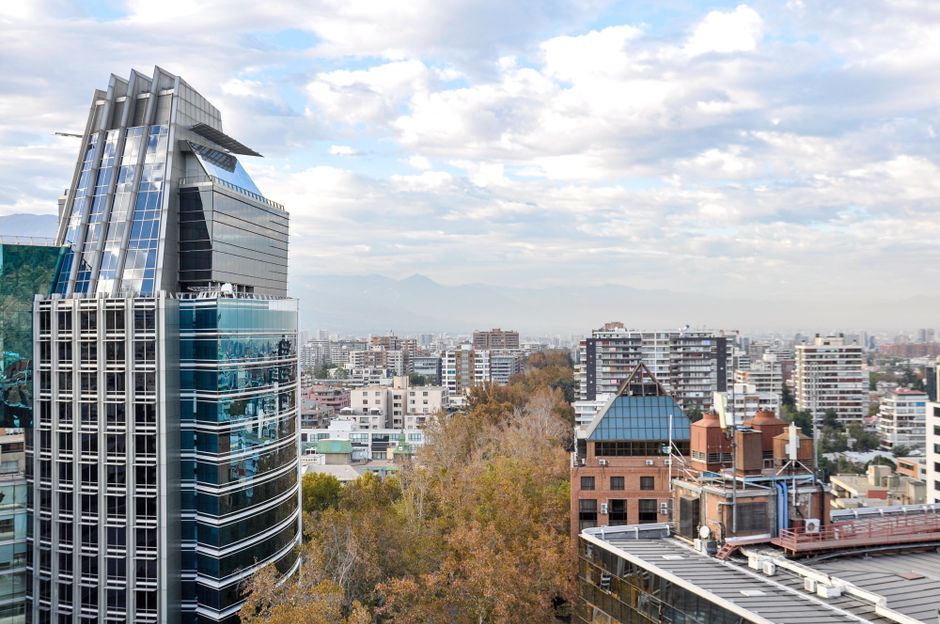
Santiago's labour market is sending contradictory signals as we head into the second half of 2026, with employment indicators painting a picture of selective recovery rather than broad-based growth. Understanding what's driving these trends requires looking beyond headline jobless figures to the actual movement of capital and opportunity across the city's diverse economy.
Recent Central Bank data shows unemployment hovering near 9.2%, seemingly stable but masking significant sectoral divergence. The technology corridor clustered around Las Condes and Providencia has absorbed significant venture capital inflows—approximately $420 million in the first five months of 2026 according to investment tracking firms—pulling skilled workers from other sectors. Meanwhile, manufacturing zones in the southern industrial belt report persistent job losses, with several mid-sized firms relocating operations or consolidating workforces.
Investment flows tell the real story. Foreign direct investment into Santiago's financial services sector increased 34% year-on-year, largely driven by regional expansion by North American and European firms establishing Latin American headquarters in the downtown banking district. This has compressed salary expectations in junior roles while inflating compensation at senior levels, creating a bifurcated job market that disadvantages mid-career professionals without specialised credentials.
The hospitality and services sector, concentrated around O'Higgins Park and the emerging cultural quarter near Lastarria, shows surprising resilience. Labour shortages in restaurants and boutique hotels suggest businesses are struggling to fill positions at current wage levels—a sign that investment here isn't keeping pace with demand. Average hospitality wages have risen 6.8% year-on-year, but remain below what workers earn in comparable roles in the financial services sector.
Construction employment presents another puzzle. While residential development projects continue clustering around the eastern neighbourhoods—Vitacura, Lo Barnechea—the sector has shed nearly 12,000 positions since early 2025. This reflects not economic collapse but rather increased mechanisation and streamlined project management, even as total project values remain substantial.
The key insight: investment flowing into Santiago increasingly favours knowledge-intensive sectors and high-margin activities. Capital concentration in finance and technology creates pockets of opportunity but leaves broader swaths of the workforce competing for slower-growth roles. For jobseekers, this means sector matters more than ever. Workers in digital services and financial technology face genuine competition for positions, while those in traditional manufacturing or entry-level hospitality find employers more cautious.
Understanding these flows helps explain why headline employment numbers seem simultaneously stable and concerning—growth exists, but it's highly selective, concentrated geographically and professionally.
This article was compiled by AI and screened before publishing. See our editorial standards.
How does this story make you feel?
Spread the word
About this article
Published by The Daily Santiago
Daily brief
Free, in your inbox before 7am. Weekdays.
More in Business