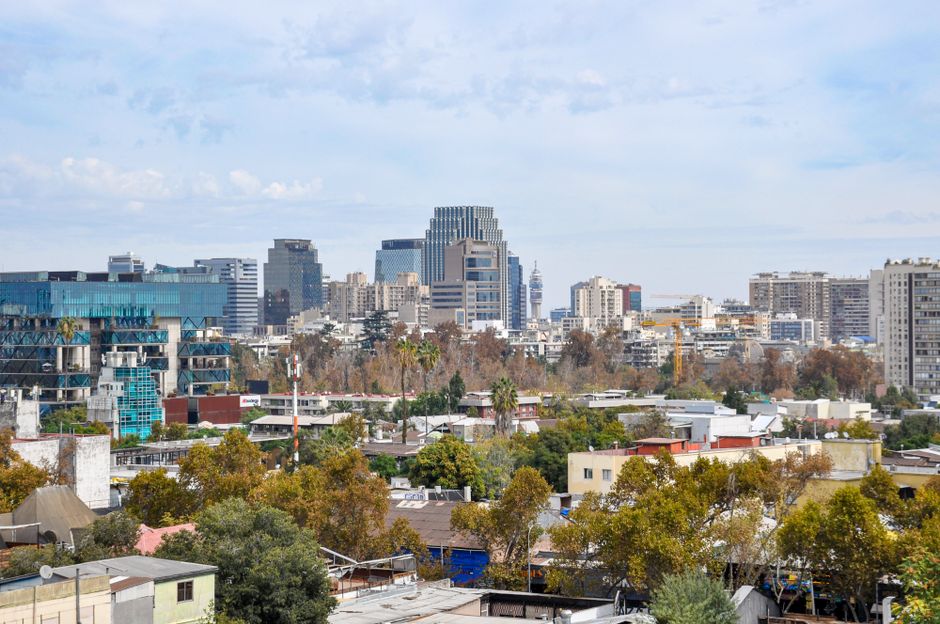
Global Trade Shifts Disrupt Santiago's Import-Export Sector
As tensions between the US and Iran escalate and trade relationships shift, Santiago's import-export sector faces unprecedented disruption to supply chains and pricing.
As tensions between the US and Iran escalate and trade relationships shift, Santiago's import-export sector faces unprecedented disruption to supply chains and pricing.
Listen to this article · 3:42
The roaring sound of container trucks along Avenida Libertador Bernardo O'Higgins grew noticeably quieter last month. At the Port of San Antonio, just 100 kilometres west of the capital, shipping schedules that once ran with clockwork precision are now subject to weekly revisions. For Santiago's business community, the global instability reshaping international commerce has arrived with sobering immediacy.
The escalating tensions between the United States and Iran—now compounded by proposals to impose fees on shipping through the Strait of Hormuz—have sent ripples through supply chains that Santiago's manufacturers and retailers depend upon. Nearly 35 percent of goods flowing through the capital's wholesale markets in La Vega and distribution hubs in Maipú originate from Asian ports that route through Middle Eastern waters. A 15 percent increase in freight insurance premiums over the past quarter has already begun filtering into consumer prices across Santiago's retail sector.
"We're seeing cost pressures we haven't experienced since the pandemic," explains a logistics coordinator at a major distribution centre in Quilicura, requesting anonymity to discuss sensitive business matters. Import duties on electronics and textiles—sectors critical to Santiago's commercial corridors from Providencia to Las Condes—have remained elevated, but unpredictable shipping timelines now add another layer of complexity to quarterly planning.
The volatility extends beyond maritime routes. Cryptocurrency's prominence in recent geopolitical hedging strategies has created new opportunities for Santiago's financial services sector, yet also introduced fresh regulatory questions for firms operating across multiple jurisdictions. Meanwhile, tensions affecting global supply chains have paradoxically benefited some local manufacturers, as businesses seek alternatives to traditional Asian sourcing.
Trade associations representing Santiago's small and medium enterprises report heightened uncertainty in their member surveys. Currency fluctuations—particularly volatility in the Chilean peso against the dollar—have compounded the challenge of forecasting input costs and pricing strategies. Hotels and restaurants concentrated in the Lastarria neighbourhood and commercial zones report suppliers struggling to maintain inventory levels.
For multinational corporations headquartered in Santiago's business districts, the geopolitical crisis presents both risk and recalibration opportunity. Companies are accelerating nearshoring initiatives, with several announcing plans to consolidate South American distribution hubs in the capital rather than routing through traditional Pacific gateways.
The lesson is clear: Santiago, for all its distance from global conflict zones, remains deeply integrated into international economic flows. What happens at the Strait of Hormuz doesn't stay at the Strait of Hormuz—it arrives on Providencia's balance sheets within weeks.
This article was compiled by AI and screened before publishing. See our editorial standards.
How does this story make you feel?
Spread the word
About this article
Published by The Daily Santiago
Daily brief
Free, in your inbox before 7am. Weekdays.
More in Business