lifestyle
Expats Moving to Santiago in 2026 Need This Complete Relocation Guide
Moving to Santiago in 2026? This expat relocation guide covers Chilean visas, cost of living, healthcare, international schools, finding a home, and what you need to know before your Santiago move.
How we reported this
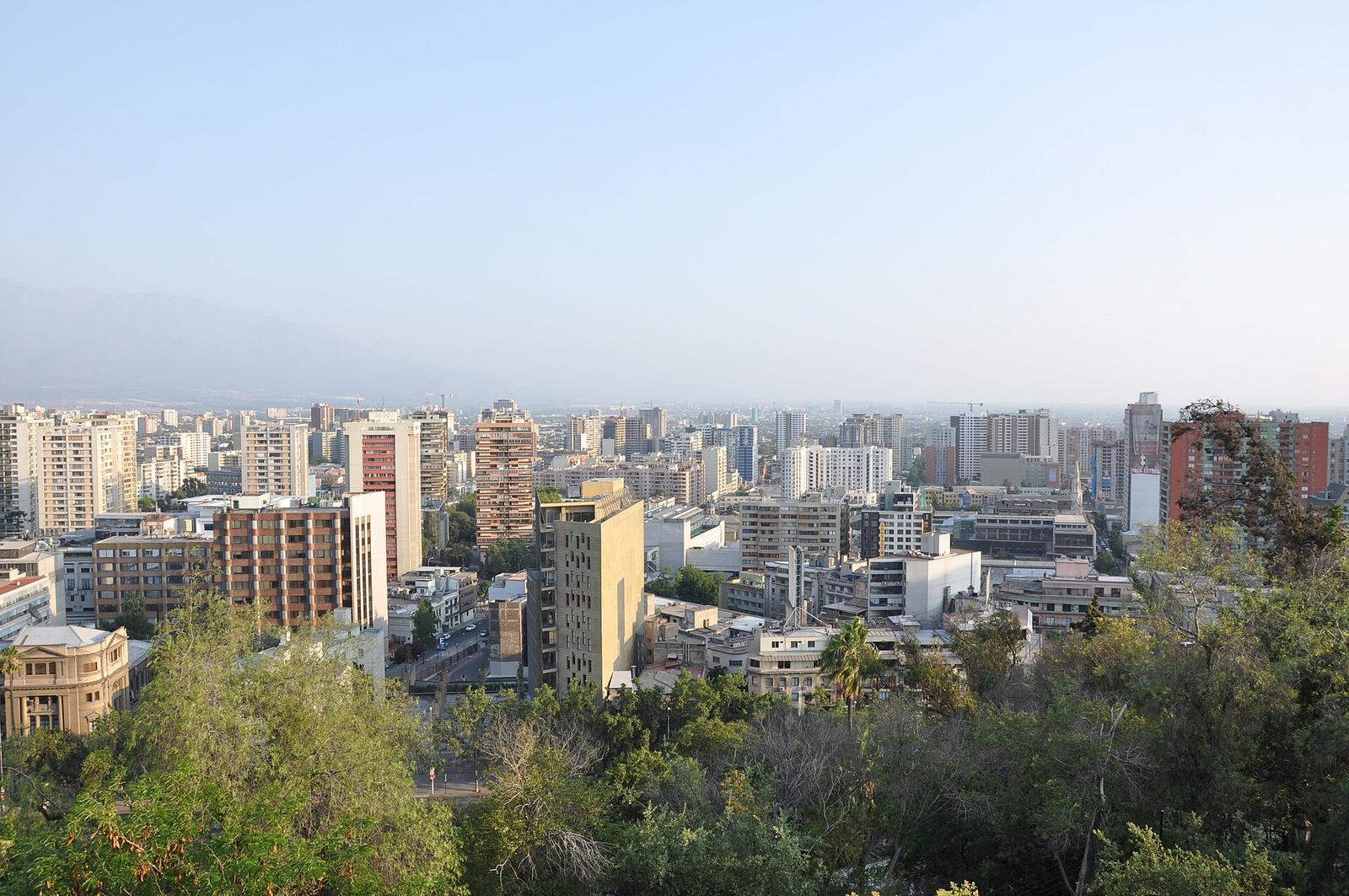
Moving to Santiago 2026, Expat Relocation Guide
Santiago is South America's most stable and liveable capital, a modern, well-organised city with excellent infrastructure, a growing tech scene, a safe public transport network, and easy access to world-class skiing, wine regions, and the Atacama desert. Chile has one of South America's most attractive visa and residency frameworks for skilled workers and entrepreneurs. This guide covers what you need to know about moving to Santiago in 2026.
Chilean Visas and Santiago Residency
- Temporary Residency Visa, The primary long-stay visa for employed workers; employer-sponsored or self-employed; valid 1-2 years, renewable; allows path to permanent residency after 1 year
- Digital Nomad Visa, Chile's dedicated remote worker visa introduced in 2023; for those earning income from outside Chile; 1-year validity; no local tax obligations
- Permanent Residency, Available after 1 year of temporary residency; allows unrestricted work and full access to Chilean social services
- RUT (Rol Unico Tributario): Chile's national ID and tax number, essential for all formal transactions, bank accounts, mobile plans, and lease agreements; obtainable from the Servicio de Impuestos Internos (SII) with visa documentation
Cost of Living in Santiago 2026
- Rent (1-bed apartment, Las Condes / Vitacura / Providencia), CLP 700,000-1,400,000/month (approx. USD $700-$1,400)
- Rent (1-bed apartment, Nunoa / Santiago Centro), CLP 400,000-700,000/month
- Metro de Santiago monthly pass, approximately CLP 36,000-45,000/month, Santiago's metro is modern, safe, and extensive
- Groceries (single person, Jumbo / Unimarc), approximately CLP 200,000-350,000/month
- FONASA / ISAPRE: Chile's public health system (FONASA) is available to residents; private health insurance (ISAPRE) is preferred by expats for faster access, budget USD $100-250/month
Before You Move to Santiago
- Air quality: Santiago sits in a valley and suffers from winter smog (June-August), air quality can be poor during inversiones (temperature inversions); this typically affects the commuter months
- Earthquakes: Chile is one of the world's most seismically active countries, all buildings are constructed to strict earthquake codes; familiarise yourself with local protocols
- Spanish: Santiago operates almost exclusively in Spanish, intermediate Spanish is strongly recommended for daily life outside the expat bubble