Santiago Sustainability: Metro Expansion & Climate Goals 2030
Santiago's €2.3B metro expansion aims to remove 180,000 daily vehicles by 2030. See how the Chilean capital compares to global sustainability leaders like Copenhagen and Singapore.
Santiago's €2.3B metro expansion aims to remove 180,000 daily vehicles by 2030. See how the Chilean capital compares to global sustainability leaders like Copenhagen and Singapore.
Listen to this article · 4:11
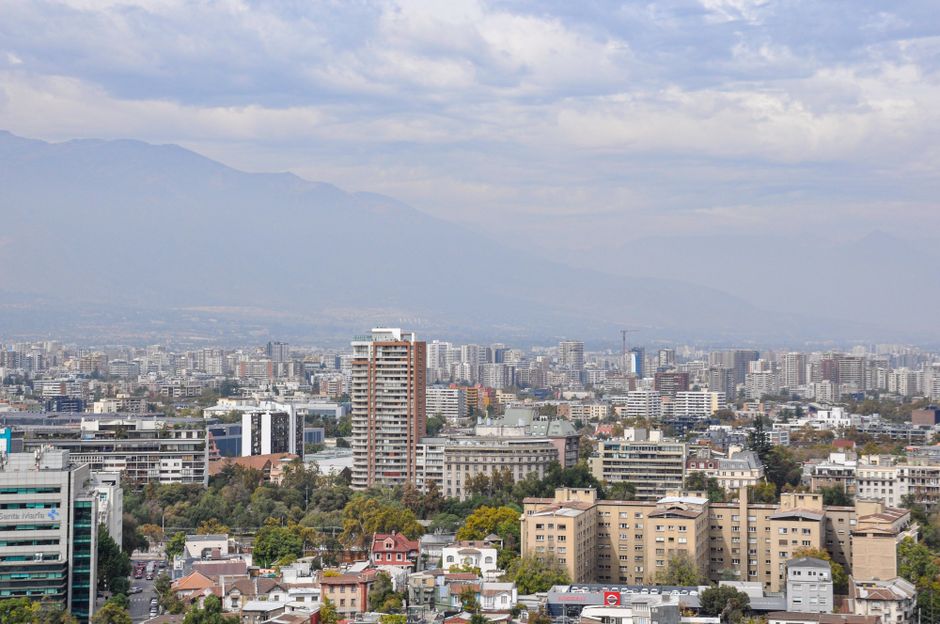
Santiago's commitment to environmental sustainability has intensified dramatically over the past three years, yet comparative analysis reveals the Chilean capital remains playing catch-up with leading global cities on several critical fronts.
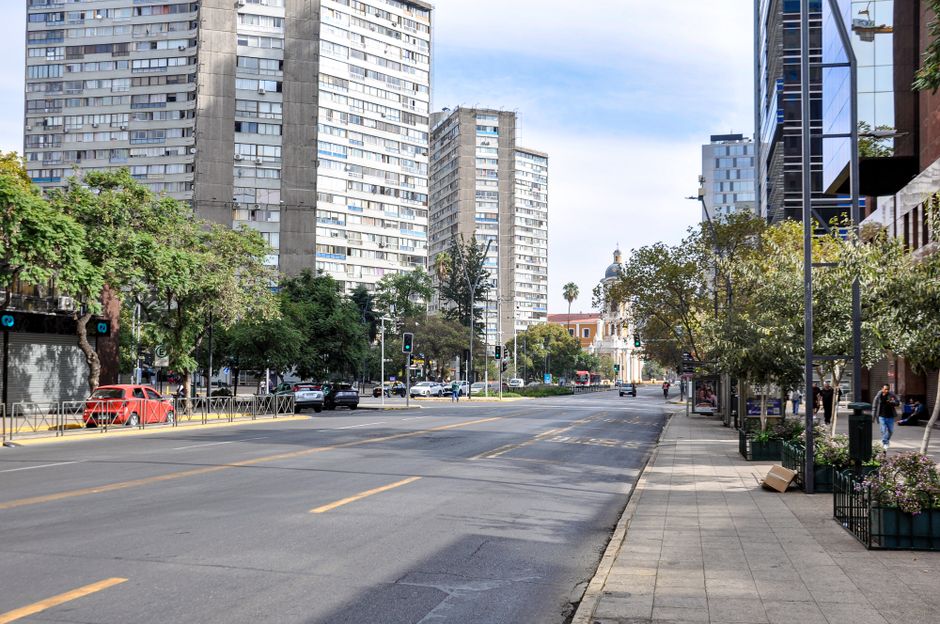
The city's €2.3 billion metro expansion project, which extends service into the densely populated southern districts of La Florida and Puente Alto, represents one of Latin America's most ambitious public transport initiatives. By 2030, officials project the expanded network will remove 180,000 vehicles daily from congested routes like Avenida Libertador Bernardo O'Higgins. Yet Copenhagen and Singapore—often cited as benchmarks—achieved comparable modal shifts a decade earlier, with their integrated transit systems now accounting for over 60% of commuter journeys.
Where Santiago shows promise is in its emerging circular economy framework. The Parque Arvi industrial zone, nestled in the foothills above the city, has become a testing ground for waste-to-energy initiatives, with three facilities now processing 340 tonnes of municipal waste daily. This mirrors innovations seen in Rotterdam and Stockholm, though Santiago's recycling rate of 18% still trails European counterparts at 35-40%.
Water management presents a starker contrast. The city's chronic water scarcity—exacerbated by two decades of severe drought affecting the Andes snowpack—has forced harder conversations than most peers face. The Mapocho River restoration project, initiated in 2023 along the riverbanks near Parque Forestal, aims to rehabilitate 12 kilometres of urban waterway. Barcelona undertook similar efforts following the 1992 Olympics, completing comparable restoration within five years. Santiago's timeline extends to 2028, reflecting tighter municipal budgets and more complex geological challenges.
Green building standards offer another comparison point. Santiago's mandatory energy efficiency codes for new construction, rolled out across the Sanhattan financial district, now require 40% energy reduction against 2010 baselines. This aligns with EU standards but trails California's 2022 mandates requiring 50% reductions in new residential builds.
Municipal leadership acknowledges gaps frankly. The city's sustainability office released data in March showing that while air quality in central Santiago has improved 22% since 2015—largely due to emission controls and cleaner industrial zoning—smog events during winter months still exceed World Health Organization guidelines on roughly 15 days annually. Seoul and Mexico City, facing similar historical challenges, achieved comparable improvements in eight to ten years through more aggressive vehicle restrictions.
What distinguishes Santiago's approach is pragmatism born from constraint. With limited fiscal resources, planners have prioritised high-impact interventions: transit expansion, targeted industrial regulation, and watershed protection. Whether this focused strategy ultimately proves more effective than the comprehensive approaches adopted by wealthier cities will become clearer by 2030.
This article was compiled by AI from the sources linked above and screened before publishing. See our editorial standards.
How does this story make you feel?
Spread the word
About this article
Published by The Daily Santiago
Daily brief
Free, in your inbox before 7am. Weekdays.
More in News