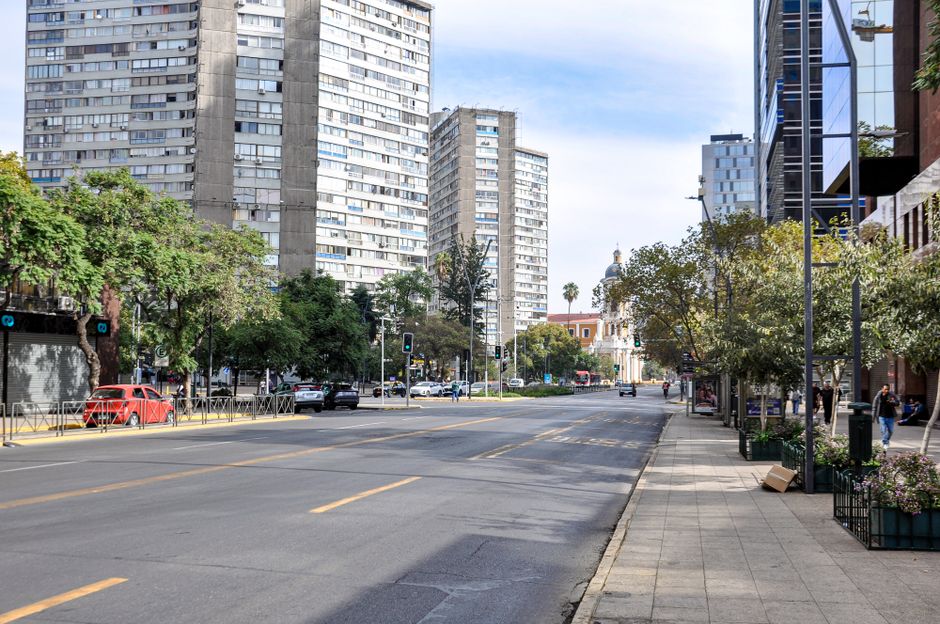
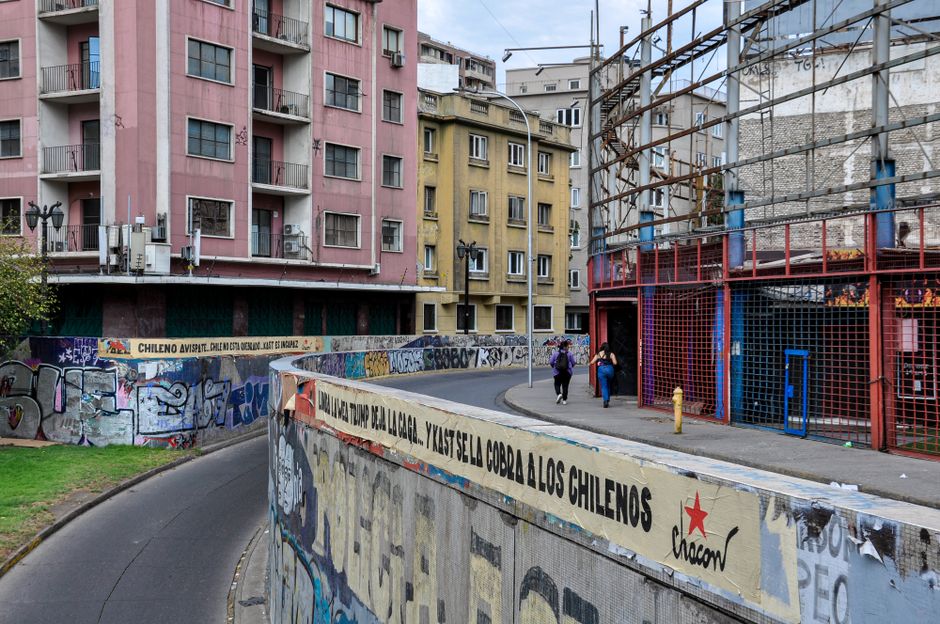
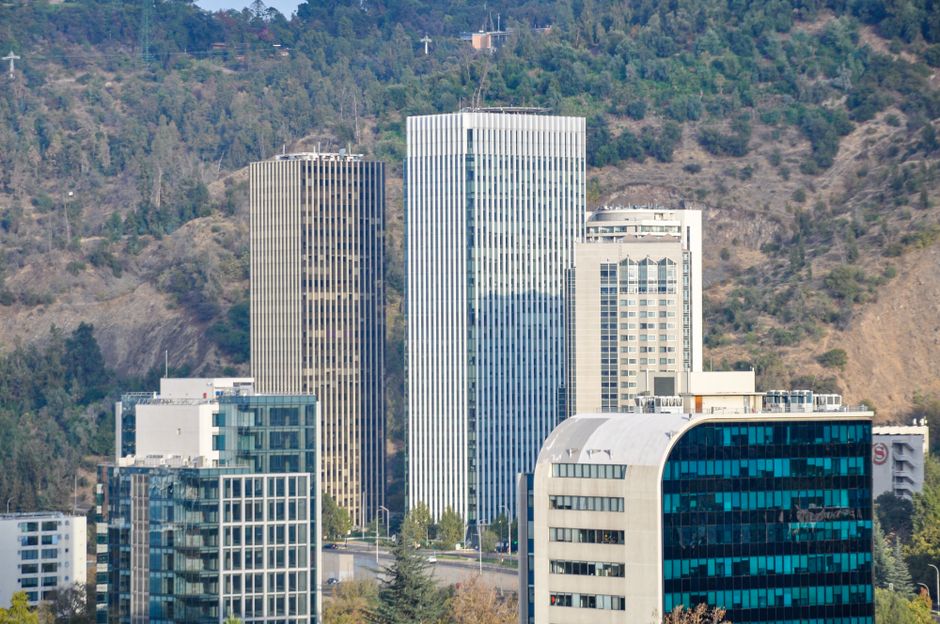
Walk through Barrio Brasil today and you'll hear a dozen languages before noon. The neighbourhood's transformation from a working-class residential area to Santiago's most visibly diverse district is no accident—it reflects a broader decade of geopolitical and economic shifts that turned the Chilean capital into Latin America's unexpected migration crossroads.
Ten years ago, Santiago hosted roughly 430,000 migrants, representing about 7% of the city's population. Today, that figure has nearly doubled to over 800,000, according to the latest municipal demographic survey. The change didn't happen overnight; it resulted from a combination of factors that demographers and policy analysts have spent years documenting.
The first watershed moment came in 2016, when Venezuela's economic collapse began forcing millions northward. Initially, most headed to Colombia and Peru. But by 2019, as conditions in those countries tightened, migration patterns shifted dramatically. Santiago's more established job market, better healthcare infrastructure, and relative political stability created a pull that previous decades hadn't generated. The metro system's expansion to La Florida and Maipú meant affordable housing options emerged for newcomers, even as rental prices in central neighbourhoods climbed 40% between 2018 and 2024.
Simultaneously, Chile's 2019 social uprising disrupted local labour markets while opening political space for more progressive migration policies. Organizations like Fundación por la Justicia and the Centro de Derechos Humanos began operating expanded programmes in Estación Central and surrounding areas, providing legal assistance that previous governments had restricted. This visibility attracted migrants seeking institutional support rather than operating entirely underground.
The pandemic paradoxically accelerated the trend. While wealthy Santiago residents fled to residential enclaves, migrant communities consolidated in affordable areas near transport hubs—Puente Cal y Canto, Quinta Normal, and Recoleta became informal economic zones where newcomers could access information networks and employment opportunities. By 2023, migrants comprised 23% of Santiago's service sector workforce.
Regional instability has compounded the effect. Political violence in Haiti, gang conflicts in Central America, and Colombia's ongoing displacement crises pushed migration toward countries perceived as safer. Santiago's distance from direct conflict zones, combined with its regional economic significance, positioned it as a haven—if not always a welcoming one.
This backdrop matters as the city grapples with housing shortages, education service strain, and rising social tensions. Understanding how we arrived here—through economic necessity, geopolitical upheaval, and policy choices—is essential to constructing responses that reflect both humanitarian principles and realistic urban planning. Santiago's multicultural present wasn't inevitable. It was built.
This article was compiled by AI from the sources linked above and screened before publishing. See our editorial standards.