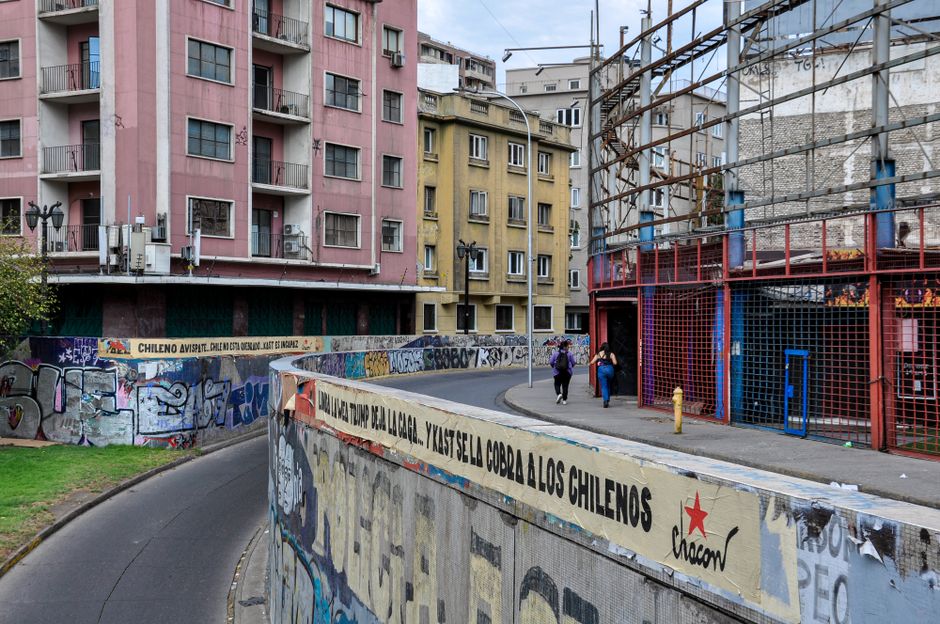
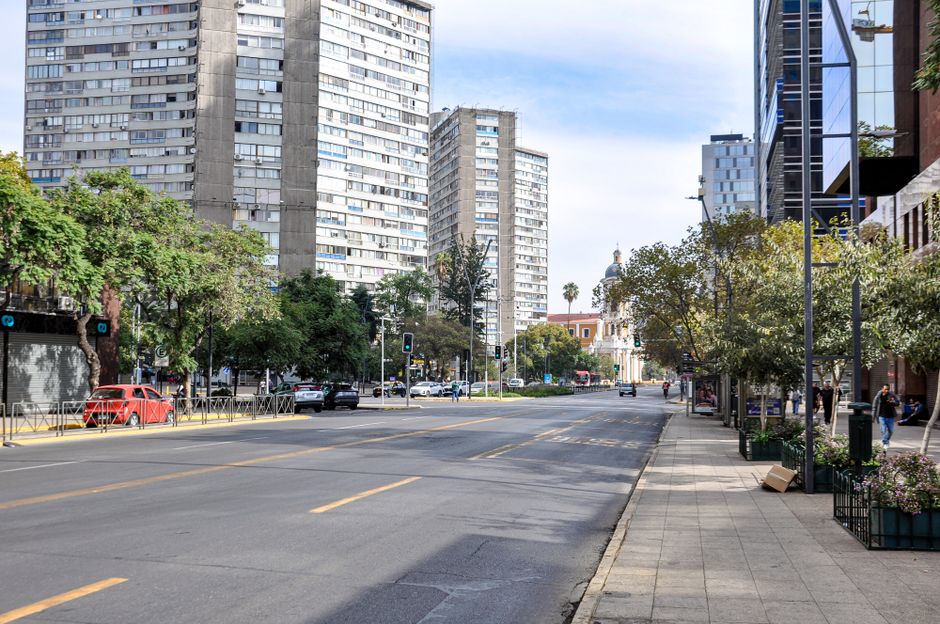
When Maria Gonzalez's apartment caught fire on Avenida Libertador Bernardo O'Higgins last month, she had seconds to escape. The fire brigade didn't arrive for twelve minutes—an eternity in an emergency. "I kept thinking about my neighbours," she told The Daily Santiago. "What if someone had been trapped?"
Her experience is no longer an isolated incident. Data obtained from Santiago's municipal emergency coordination centre reveals a troubling pattern: average emergency response times across the capital have increased by 23 per cent over the past eighteen months, with some neighbourhoods experiencing waits exceeding fifteen minutes for police and fire services.
The impact is felt most acutely in densely populated areas. Residents of La Florida, home to nearly 400,000 people, report that Carabineros units are routinely stretched thin, responding to multiple call-outs simultaneously. In San Miguel, a neighbourhood experiencing a 31 per cent rise in reported street robberies year-on-year, community leaders say slower response times have emboldened criminals and eroded public confidence in local safety.
"People are installing their own security systems because they've lost faith in emergency services," explains Roberto Faúndo, director of the Corporación de Seguridad Comunitaria, a local residents' collective. "A decent alarm system costs between 800,000 and 1.5 million pesos—money many families simply don't have."
The problem stems from bureaucratic friction between police and fire departments, sources within the city council revealed. Budget cuts to dispatch infrastructure have left the city with aging communication systems that frequently malfunction, causing delays in routing calls to the nearest available units. Meanwhile, recruitment freezes mean neither service has adequate staffing levels to cover Santiago's expanding urban zones.
The human cost extends beyond response times. In Ñuñoa, three separate medical emergencies in May went unattended for over twenty minutes, according to residents' complaints filed with the Superintendence of Public Health. Two patients suffered permanent complications.
City officials acknowledge the crisis. A new integrated emergency dispatch system is scheduled for rollout in Q4 2026, officials say, though previous timelines have slipped repeatedly. In the interim, residents are being advised to rely on private security services—a luxury unavailable to working-class communities across the capital.
For Santiago's most vulnerable populations, the question has become urgent: can the city rebuild trust in its emergency services before the consequences become irreversible?
This article was compiled by AI from the sources linked above and screened before publishing. See our editorial standards.