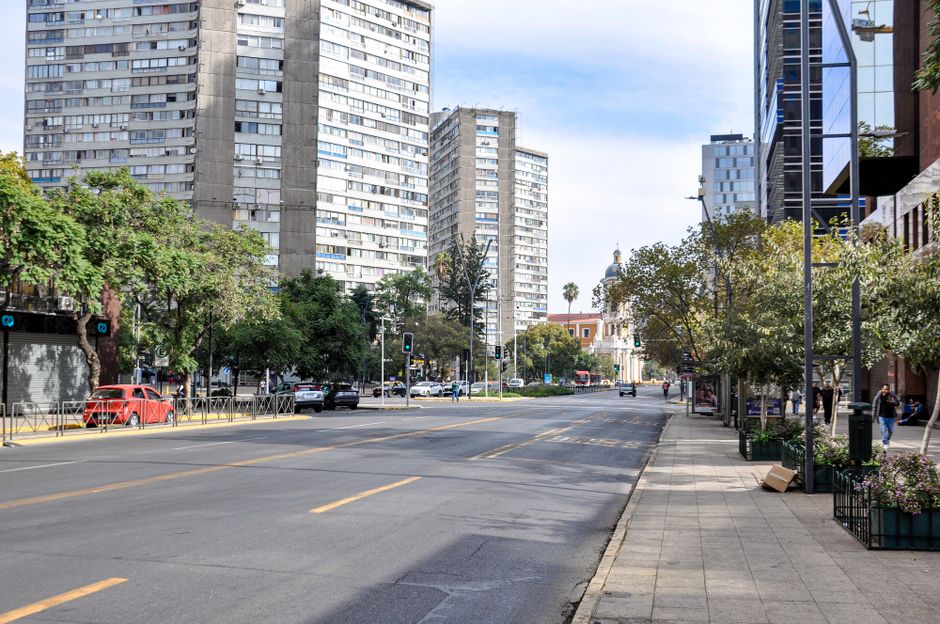
In the Lastarria neighbourhood, residents of the historic colonial streets are increasingly patrolling their own blocks—not out of desperation, but through an organised system that has become a case study for urban planners across Latin America and beyond. Santiago's Barrio Seguro programme, which enlists neighbourhood volunteers alongside municipal coordinators, is delivering measurable results that rival and exceed similar initiatives in cities like Bogotá, São Paulo, and even some European centres.
The programme, which expanded to cover 23 comunas by mid-2026, has reduced reported property crime in participating areas by an average of 18 percent over two years—a figure that exceeds outcomes in comparable cities using similar models. Buenos Aires, which launched a neighbourhood policing initiative in 2024, reported only 9 percent reduction; Barcelona's community safety programme achieved 12 percent. The difference, local coordinators say, lies in Santiago's emphasis on building genuine relationships rather than simply increasing surveillance.
"What makes Santiago different is the integration with existing social infrastructure," explains the network of community centres across neighbourhoods like Providencia, Ñuñoa, and Estación Central. These hubs—operating at a combined budget of 2.3 billion pesos annually—function as coordination points where residents report concerns, receive training, and connect with municipal services. The Centro Comunitario de Seguridad on Avenida Libertador Bernardo O'Higgins, for instance, hosts weekly meetings attended by 40-60 residents alongside police liaisons.
The model contrasts sharply with approaches in comparable cities. Toronto's neighbourhood safety programme relies heavily on digital reporting apps, which has created engagement gaps among older residents. Madrid's barrio initiatives operate with minimal integration with social services. Santiago's hybrid approach—combining in-person coordination with digital tools—has proven more inclusive, with participation rates of 34 percent across target neighbourhoods, compared to 19 percent in Toronto and 22 percent in Madrid.
Yet challenges remain. Budget constraints mean some neighbourhoods still lack adequate resources, and the programme's success depends on sustained volunteer commitment. The municipality allocated an additional 450 million pesos for 2026-2027 expansion, aiming to reach 35 comunas.
International delegations have visited Santiago to study the model. Representatives from Mexico City, which struggles with gang-related violence, observed operations in June. Officials acknowledged that replicating Santiago's results elsewhere would require overcoming different structural challenges—but the architecture itself offers valuable lessons about how cities can meaningfully empower residents while maintaining professional coordination.
As Santiago continues refining its approach, the city is quietly becoming a reference point for how neighbourhood-led safety can work at scale.
This article was compiled by AI from the sources linked above and screened before publishing. See our editorial standards.