Moving to Santiago? Here's What City Officials and Housing Experts Say You Need to Know
As migration to Chile's capital accelerates, local authorities and urban planners share insider guidance on neighbourhoods, costs and integration.
As migration to Chile's capital accelerates, local authorities and urban planners share insider guidance on neighbourhoods, costs and integration.
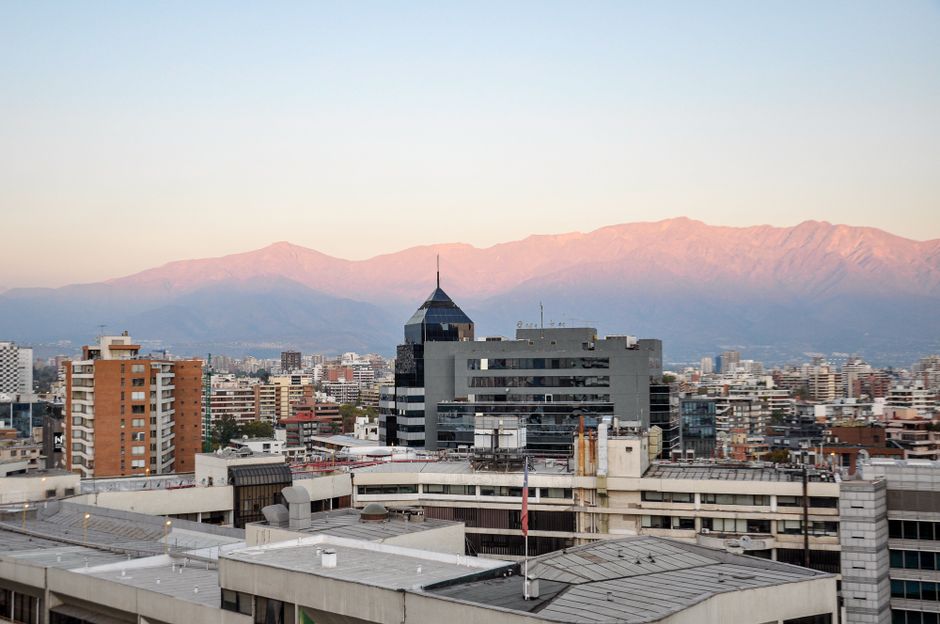
Santiago's population has grown by roughly 8% over the past five years, with newcomers drawn by employment opportunities and relative stability. The Santiago Metropolitan Administration recently released updated guidance for incoming residents, emphasizing the importance of understanding the city's distinct geographical and socioeconomic zones before committing to a move.
Officials at the Housing Ministry point to neighbourhoods like Ñuñoa, Providencia, and Las Condes as established residential areas with strong infrastructure, though rental prices in these zones average 1.2–1.8 million pesos monthly for a two-bedroom apartment. For those seeking affordability, planners recommend exploring emerging areas like Macul and Peñalolén, where housing costs run approximately 30% lower while public transport links—including the Metro Line 3 extension completed in 2024—continue improving accessibility.
The Santiago Chamber of Commerce has highlighted the importance of proximity to employment hubs. The financial district around Isidora Goyenechea and Andrés Bello remains central for corporate jobs, while tech and creative sectors increasingly cluster in Lastarria and around the Universidad de Chile campus. "Understanding your commute before choosing where to live can significantly impact quality of life," notes guidance from the chamber's relocation resources.
Transport planners underscore that the Metro system—comprising seven lines spanning over 140 kilometres—remains the most practical option for daily movement. Monthly passes cost approximately 38,000 pesos for unlimited travel, a figure the Transport Ministry says remains competitive against private vehicle ownership when factoring in petrol, parking, and maintenance.
Integration specialists at the University of Chile's Institute of Urban Studies recommend newcomers connect with established community networks early. Organisations like the Santiago Integration Network and neighbourhood juntas provide cultural orientation and practical support. Learning basic Spanish, even for English speakers, remains widely encouraged by municipal integration officers.
Climate considerations also matter: Santiago experiences a Mediterranean climate with dry summers (November–March) and mild winters. Air quality during winter months occasionally reaches unhealthy levels, prompting the Environmental Ministry to recommend checking annual pollution forecasts before finalising housing decisions, particularly for those with respiratory concerns.
Finally, officials stress the importance of securing formal residency documentation through the Interior Ministry's Migration Department before signing rental agreements. Processing times average three to four weeks, and having proper documentation streamlines everything from opening bank accounts to accessing healthcare.
For those ready to commit, Santiago's combination of urban infrastructure, cultural richness, and economic opportunity continues attracting skilled professionals and families from across Latin America and beyond.
This article was compiled by AI from the sources linked above and screened before publishing. See our editorial standards.
How does this story make you feel?
Spread the word
About this article
Published by The Daily Santiago
Daily brief
Free, in your inbox before 7am. Weekdays.
More in News
