Santiago's Metro Expansion Outpaces Global Peers—But At What Cost?
As the city races to connect outlying neighbourhoods, experts say its aggressive timeline rivals London and São Paulo, yet questions linger over fiscal sustainability.
As the city races to connect outlying neighbourhoods, experts say its aggressive timeline rivals London and São Paulo, yet questions linger over fiscal sustainability.
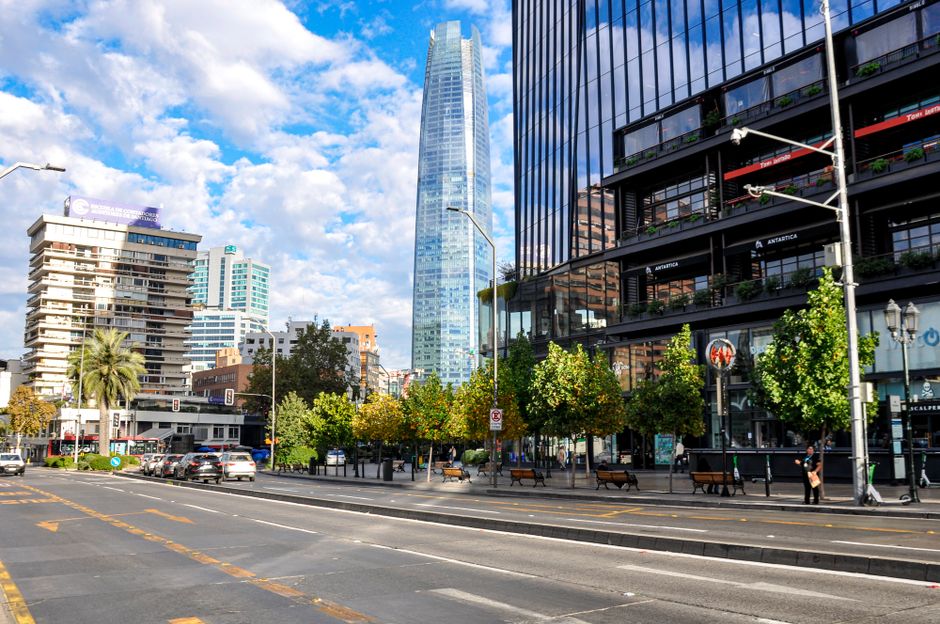
Santiago's transport infrastructure ambitions have become the talk of urban planners across the Americas. The Metro's Line 7 extension, pushing eastward toward Maipú and scheduled for completion by 2028, represents the kind of aggressive expansion typically associated with Asian megacities rather than Latin American capitals. Yet as construction crews work around the clock on Avenida Providencia and beyond, transport analysts are asking whether the city's approach offers a blueprint—or a cautionary tale.
The numbers are striking. Santiago's Metro will add 24 kilometres of track by 2030, a growth rate that outpaces Toronto's entire recent expansion programme and rivals Barcelona's modernisation efforts. The city is investing upwards of 4.2 billion USD across its transport portfolio, including the long-awaited Bus Rapid Transit improvements along Avenida Alameda. Officials point to reduced commute times—already down 12 percent in high-density zones like La Florida and Ñuñoa since 2023—as evidence the strategy is working.
But the comparison with peer cities reveals complications. London's Crossrail project, operational since 2022, took three decades to complete and faced chronic budget overruns. São Paulo's Metro expansion, while similarly ambitious, has struggled with integration between systems and maintenance backlogs. Santiago's planners insist they've learned from these examples, yet concerns about cost inflation persist. Construction delays on the Línea 3 extension in 2024 pushed timelines back by eight months and added an estimated 340 million USD to the budget.
The social dimension adds another layer. Unlike Munich or Copenhagen, where residents across income brackets use public transit equally, Santiago's expanding network still predominantly serves middle and upper-income commuters in neighbourhoods like Vitacura and Las Condes. Critics argue that while downtown Santiago gets gleaming new stations, peripheral communities in San Bernardo and Puente Alto remain poorly connected—a pattern replicated globally but particularly acute here.
Transport authorities counter that Line 7's trajectory deliberately prioritises working-class suburbs, promising to cut travel times from outer areas to the commercial core from 90 minutes to 35. They also highlight integration improvements: unified ticketing now works seamlessly across Metro, buses, and trains—a coordination achievement that took Singapore and Stockholm years to perfect.
The real test comes in the next two years. If Santiago maintains its timeline and budget discipline while genuinely improving access for lower-income residents, it may indeed become a model for developing-world transit expansion. If not, it risks joining the lengthening list of global cities where infrastructure ambition outstrips execution.
This article was compiled by AI from the sources linked above and screened before publishing. See our editorial standards.
How does this story make you feel?
Spread the word
About this article
Published by The Daily Santiago
Daily brief
Free, in your inbox before 7am. Weekdays.
More in News