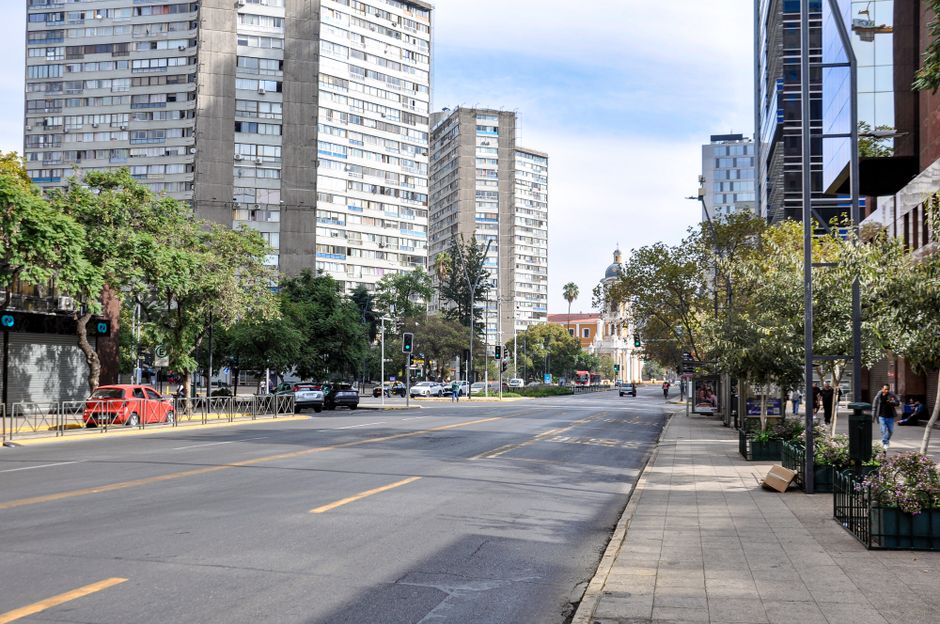
Santiago's neighbourhoods hummed with activity this week as multiple projects reached milestones that local residents have awaited for months. The opening of the new integrated transport interchange at Avenida Andrés Bello in Providencia on Tuesday marked a turning point for commuters navigating the city's eastern corridor, consolidating five separate bus routes into a single, climate-controlled facility that officials estimate will reduce travel times by an average of twelve minutes during peak hours.
The CLP $4.8 billion infrastructure project, which broke ground in early 2024, addresses long-standing congestion complaints from residents who have spent years transferring between multiple stops. "The feedback has been overwhelmingly positive," said Maria Rodríguez, coordinator of the local merchants association on Andrés Bello, noting that nearby businesses anticipate increased foot traffic from the estimated 78,000 daily users projected by transport authorities.
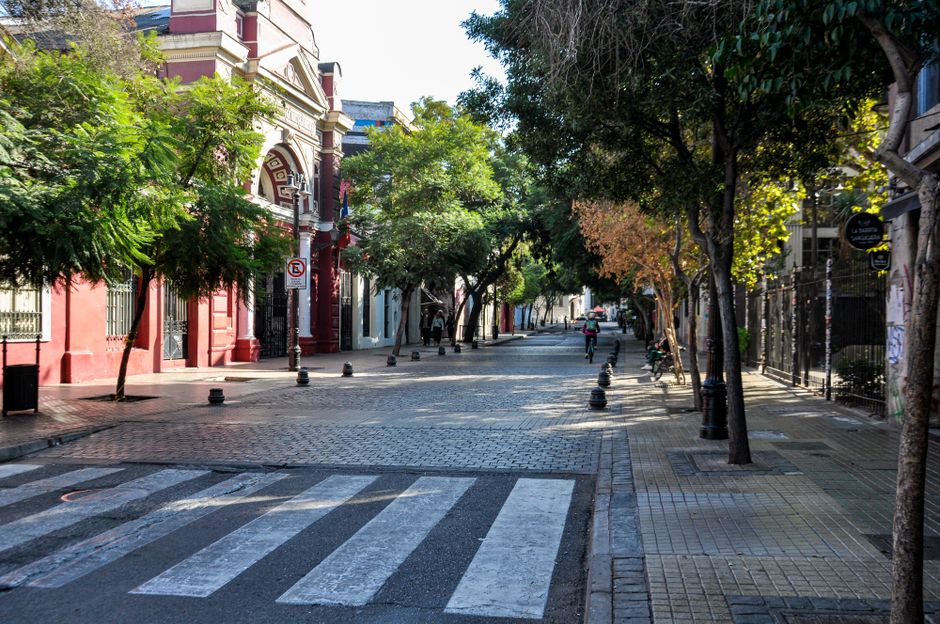
Meanwhile, in the historic Lastarria neighbourhood, the community celebrated the restoration of Plaza Mulato Gil de Castro on Wednesday, where a CLP $620 million renovation unveiled new indigenous heritage markers and expanded seating areas. The initiative, led jointly by the municipality and the Institute of Indigenous Peoples, reflects growing recognition of Santiago's pre-Columbian history. Families returned to the plaza in greater numbers following the work, with local cafés reporting a 35 percent surge in weekend customers compared to previous months.
The week also saw tensions surface in San Miguel, where residents of the Barrio Brasil neighbourhood presented formal objections to planned density increases in a two-block area bounded by Avenida Lastarria and Avenida Italia. A town hall meeting hosted by the metropolitan planning office drew over 200 residents concerned about parking availability and green space. The city has scheduled a formal consultation process for July, with decisions expected by late August.
Not all developments were large-scale infrastructure. The Ñuñoa Community Kitchen, a neighbourhood cooperative founded in 2022, celebrated its fourth anniversary with a expansion into a second location on Avenida Tobalaba, opening fifty additional afternoon cooking slots for residents seeking affordable meal preparation facilities. Membership has grown from 240 to 1,240 participants in two years, the organisation reported.
As mid-year assessments unfold across Santiago's municipalities, these developments reflect an ongoing pattern of investment competing with affordability pressures that continue to shape residential satisfaction. Whether infrastructure improvements and heritage initiatives can sustain community engagement remains a question locals will be monitoring closely through the second half of 2026.
This article was compiled by AI from the sources linked above and screened before publishing. See our editorial standards.