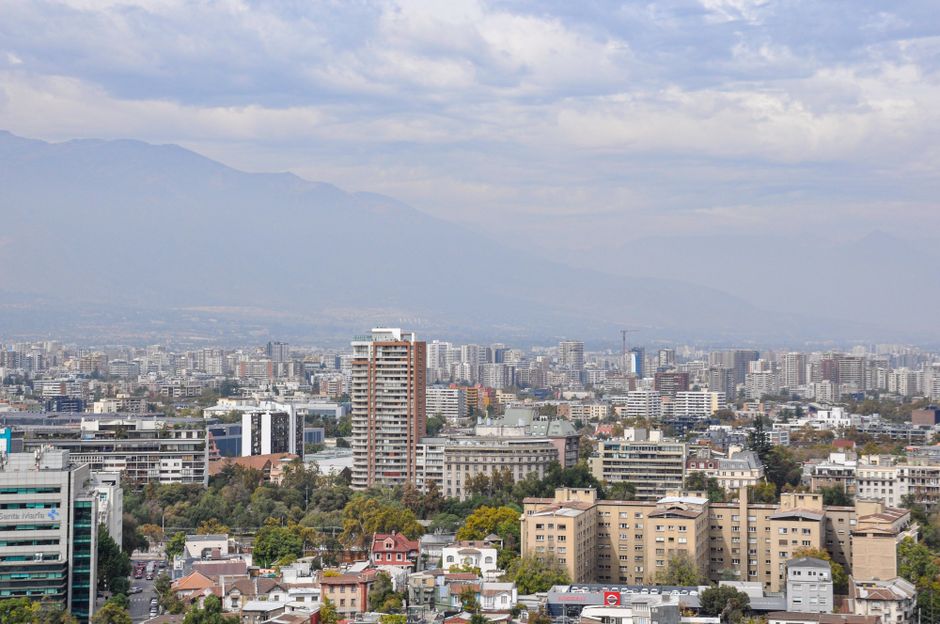
Santiago's housing market has become a barometer for inequality in one of South America's wealthiest nations. Average property prices in the Providencia neighbourhood now exceed $850,000 USD, while demand for affordable units in outlying areas like Puente Alto continues to outpace supply by roughly 4 to 1. But unlike some peer cities grappling with similar crises, Santiago's municipal authorities are taking a distinctly localist approach to urban planning—one that reveals both pragmatism and significant gaps.
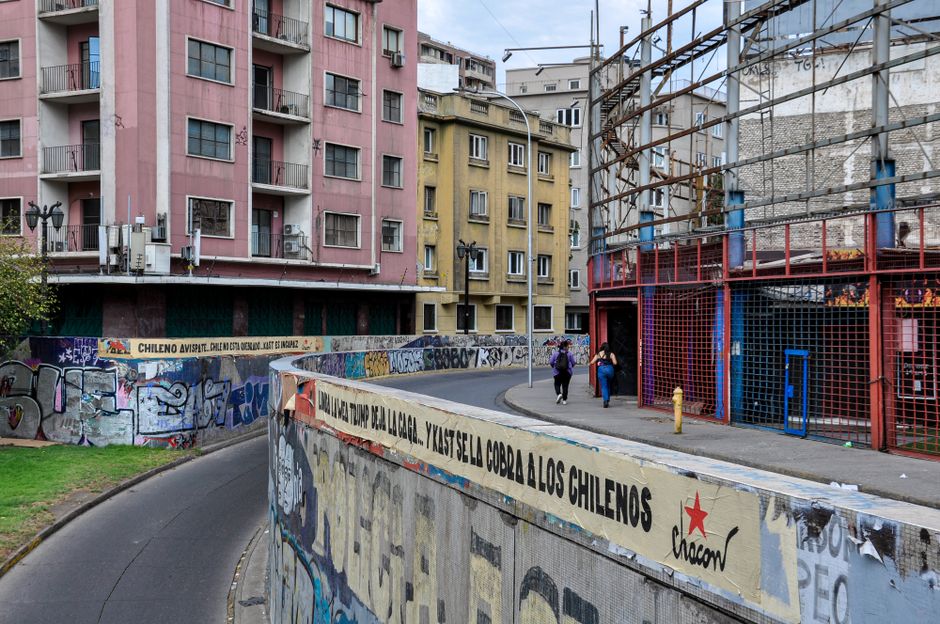
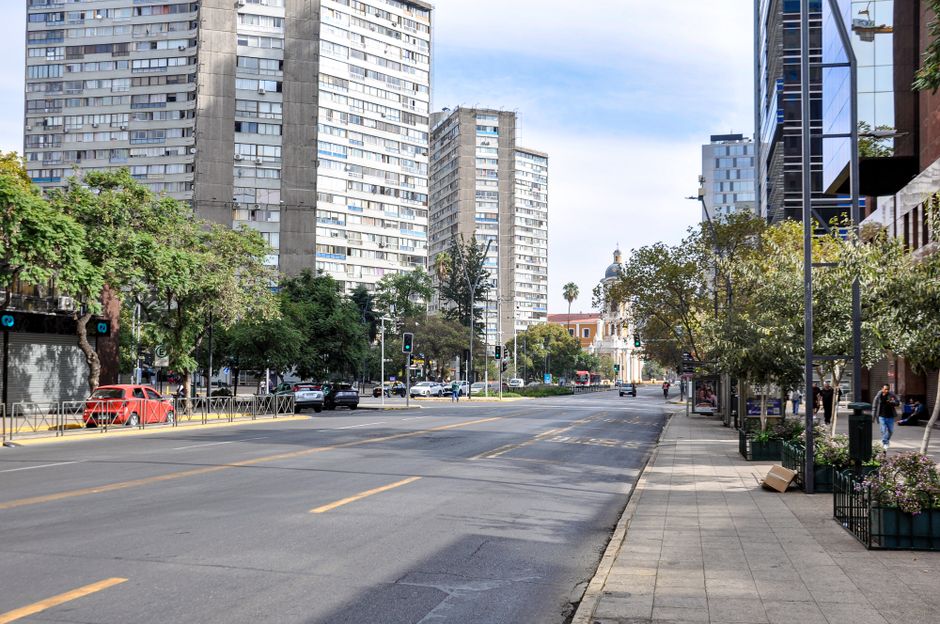
The city's recent zoning reforms in the Plaza Baquedano corridor represent a moderate shift toward mixed-income development. Municipal officials have greenlit several mid-rise residential projects allowing for 30 per cent affordable units, following Barcelona's model of mandatory inclusionary zoning. Yet Santiago's enforcement mechanisms remain weaker than those adopted by Toronto's city council, where developers face stricter penalties for non-compliance. "We're learning as we go," one senior planner at the Santiago Metropolitan Planning Institute noted informally during a recent public consultation at the Instituto Goethe.
The comparison becomes starker when examining transit-oriented development. While Singapore's Housing and Development Board transformed its entire urban landscape through centralised public housing, Santiago has relied more heavily on private developers anchored to the Metro system's expansions. The recent extension serving San Bernardo created new property speculation rather than immediate affordability gains—a pattern cities like Copenhagen have avoided through stricter rent regulation tied to construction timelines.
One distinctive Santiago strategy involves encouraging conversion of underutilised office space in the financial district near Teatinos and Bandera. This adaptive reuse approach mirrors initiatives in Madrid and Berlin, but with a crucial difference: Santiago's tax incentives for landlords remain modest, potentially limiting the scheme's reach. Real estate analysts estimate the city could unlock 8,000 to 12,000 new residential units through such conversions, yet current participation rates suggest only half that volume will materialise within five years.
The institutional landscape also differs markedly. While Melbourne's planning authority operates with multi-decade master plans and Singapore's Housing Board functions as developer and landlord combined, Santiago's fragmented approach—split between municipal, regional, and national housing agencies—creates coordination challenges. Recent attempts to harmonise these efforts through the newly formed Consejo de Vivienda showed promise, though accountability structures remain opaque compared to Toronto's transparent development review boards.
As Santiago enters another cycle of urban growth, the city faces a choice: continue its incremental, market-influenced path, or adopt the more interventionist models proving effective elsewhere. For residents watching rents climb across Ñuñoa and Macul, the answer may prove decisive for the city's social fabric.
This article was compiled by AI from the sources linked above and screened before publishing. See our editorial standards.