Santiago's Crime Crisis by the Numbers: What the Data Reveals About Safety in Chile's Capital
New emergency services statistics paint a stark picture of violence and theft transforming neighbourhoods across the metropolitan area.
New emergency services statistics paint a stark picture of violence and theft transforming neighbourhoods across the metropolitan area.
Santiago's crime landscape is shifting dramatically, according to freshly released data from the Carabineros and municipal emergency coordination centres. The numbers tell a story that official statements often obscure: theft reports in the Región Metropolitana have surged 34% year-on-year, while violent crime incidents in traditionally safer districts have doubled since 2024.
The statistics are particularly acute in specific corridors. The Providencia and Ñuñoa neighbourhoods—historically among the city's most affluent—have recorded 1,247 robbery incidents in the first half of 2026 alone, up from 724 in the equivalent period last year. Even more concerning, emergency response times in these areas have deteriorated to an average of 23 minutes, compared to the metropolitan average of 18 minutes, straining already-stretched police resources.
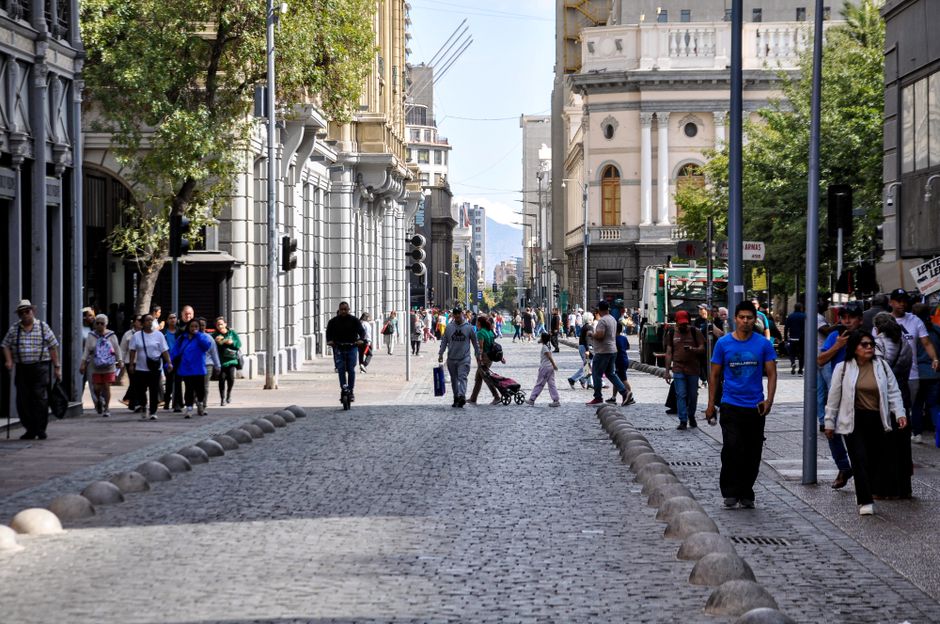
Downtown Santiago presents a different crisis. The area bounded by Avenida Libertador Bernardo O'Higgins, Almirante Cochrane, and Teatinos has experienced a 56% increase in street theft and pickpocketing. Metro stations at Plaza de Armas and Universidad de Chile have become particular hotspots, with over 340 reported incidents in the past quarter alone, according to data compiled by the Transit Police.
The toll on emergency services is measurable. The Bombers de Santiago have responded to 2,156 security-related emergencies requiring police backup in the first six months of 2026—a 22% increase from 2025. Meanwhile, municipal ambulance services report that trauma cases associated with robbery and assault now constitute 18% of their callouts, up from 12% two years ago.
Perhaps most telling is the displacement pattern emerging in the data. Residents in affected neighbourhoods are voting with their feet. Real estate transaction records from the Conservador de Bienes Raíces show that property sales in high-crime zones have dropped 19%, while applications for police protection permits in Las Condes and La Dehesa have increased 41%.
The economic impact extends beyond security spending. Insurance claims for theft and robbery in the metropolitan area totalled 487 million pesos in the first quarter of 2026, nearly double the figure from three years ago. Small business owners along Paseo Ahumada report that security costs now consume 8-12% of their operational budgets.
Carabineros command has announced plans to deploy an additional 350 officers to high-incident zones, a response that data analysts suggest may prove insufficient given current trajectory rates. Without intervention, projections suggest violent crime incidents could reach 18,000 by year's end—a threshold Santiago hasn't crossed since 2010.
This article was compiled by AI and screened before publishing. See our editorial standards.
How does this story make you feel?
Spread the word
About this article
Published by The Daily Santiago
Daily brief
Free, in your inbox before 7am. Weekdays.
More in News