Santiago City Council Approves Densification Plan Amid Housing Crisis Concerns
This week's zoning reforms could reshape neighbourhoods from Ñuñoa to La Florida, but affordability concerns loom as developers scramble to acquire land.
This week's zoning reforms could reshape neighbourhoods from Ñuñoa to La Florida, but affordability concerns loom as developers scramble to acquire land.
Listen to this article · 3:46
Santiago's municipal government has thrown down a significant gauntlet in its ongoing battle against the capital's deepening housing shortage, approving a sweeping densification plan on Tuesday that will permit six-storey residential developments across previously restricted zones—a move that promises transformation but sparks genuine anxiety among long-time residents.
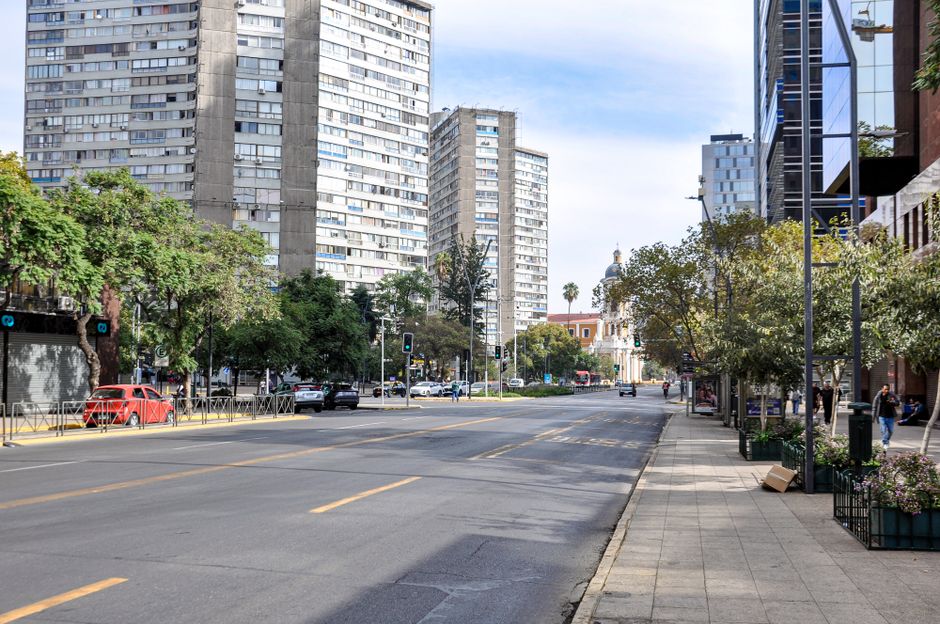
The decision, ratified by the City Planning Department after months of consultation, represents the most aggressive zoning liberalisation in nearly two decades. Under the new framework, developers can now construct multi-unit housing in corridors along Avenida Providencia, through sections of Ñuñoa, and into the eastern reaches of La Florida—areas historically dominated by single-family homes and low-rise commercial activity.
The timing reflects genuine urgency. Santiago's median apartment price has climbed to approximately 8.2 million pesos per square metre, pricing out middle-income families entirely. The shortage has created a bottleneck affecting everything from labour mobility to public services. The metropolitan government projects that without intervention, the city will face a deficit of 180,000 housing units by 2030.
Yet implementation raises thorny questions. Resident associations in Ñuñoa and Providencia have organised formal objections, citing infrastructure strain, loss of neighbourhood character, and fears that new units will remain luxury-priced rather than genuinely accessible. Local transport networks, already congested during peak hours, may require substantial upgrades to handle population increases in these zones.
The Municipal Housing Directorate has outlined incentives designed to encourage affordable unit construction: tax breaks for developers who allocate 20 percent of new projects to below-market pricing, and expedited permit processing for companies meeting sustainability standards. Whether these mechanisms prove sufficient remains uncertain—similar schemes in other Latin American capitals have produced mixed results.
Significantly, the plan sidesteps the thorniest issue: land acquisition. Developers will compete for available parcels, potentially driving costs upward and concentrating development among large corporations with capital reserves. Small builders and non-profit housing organisations worry they'll be priced out entirely.
The Ministry of Housing and Urban Development has signalled that complementary policies—including potentially expanding metro lines southward and accelerating affordable housing subsidies—are under consideration. Implementation timelines remain vague.
Santiago's housing market will watch closely over coming months as developers submit initial projects. The real test arrives when new units actually reach the market: will they address genuine demand, or simply add another tier of inaccessible luxury construction to a city increasingly stratified by income?
This article was compiled by AI and screened before publishing. See our editorial standards.
How does this story make you feel?
Spread the word
About this article
Published by The Daily Santiago
Daily brief
Free, in your inbox before 7am. Weekdays.
More in News


