Santiago's Neighbourhoods Rebuild Community After Ten Years of Decline
A look at the decade-long struggle that transformed Santiago's barrios from isolated enclaves into interconnected communities.
A look at the decade-long struggle that transformed Santiago's barrios from isolated enclaves into interconnected communities.
Listen to this article · 3:41
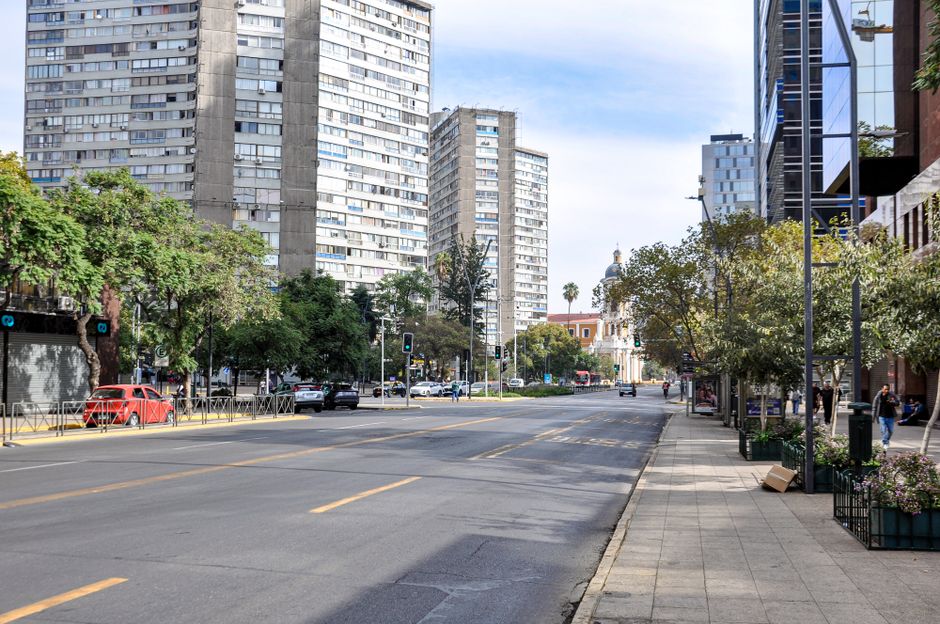
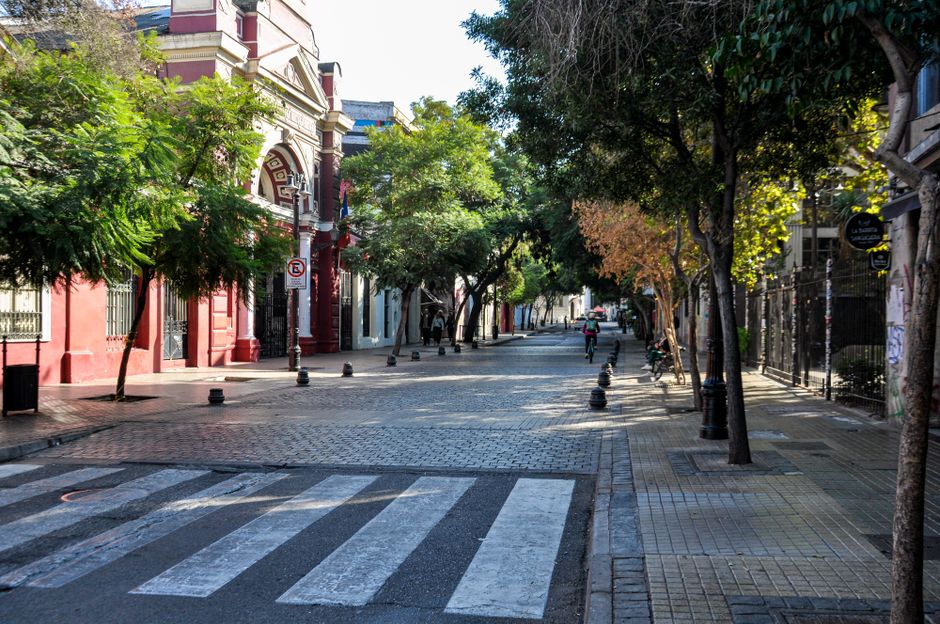
Walk through Lastarria today and you'll find terraced cafés, independent bookshops, and residents who know their neighbours by name. A decade ago, the neighbourhood was nearly unrecognisable—boarded storefronts, crumbling facades, and a palpable sense of abandonment that had infected much of Santiago's urban fabric.
The story of how Santiago's communities arrived at this fragmented point, and what sparked their recent resurgence, reveals a city grappling with decades of uneven development and the slow, grassroots work required to reverse it.
Between 2015 and 2022, Santiago experienced what urban planners call "neighbourhood flight." As metro lines expanded outward and new shopping centres opened on the city's periphery, the historic centre and mid-ring neighbourhoods like Lastarria, Ñuñoa, and Providencia saw foot traffic decline by nearly 40 percent. Rent prices—which had climbed to 800,000 pesos monthly for modest two-bedroom apartments—made staying untenable for working families. Commercial vacancy rates hit 28 percent in central Lastarria alone.
The underlying causes traced back further still. A 2018 census revealed that Santiago's neighbourhoods had become increasingly isolated, with residents spending an average of 87 minutes commuting daily. Public spaces deteriorated. Trust eroded. By 2021, community organisations reported that fewer than 30 percent of residents participated in neighbourhood activities.
What changed was neither top-down intervention nor sudden economic windfall, but rather the convergence of three factors. First, younger professionals priced out of outer suburbs began deliberately choosing inner neighbourhoods, seeking shorter commutes. Second, a wave of small business owners—many displaced from traditional commercial districts—reinvested in undervalued properties. Third, and perhaps most importantly, existing community groups intensified their efforts. Organisations like the Lastarria Civic Association and Ñuñoa's neighbourhood council shifted from reactive complaint-filing to proactive placemaking.
By 2024, the metrics began shifting. Foot traffic in central Lastarria rebounded 34 percent year-on-year. Average rent stabilised around 650,000 pesos. More significantly, participation in neighbourhood assemblies tripled. The Paseo Ahumada underwent its first major restoration in 15 years, funded partly through crowdsourced community contributions.
Today's revival, though still uneven, reflects a hard-won lesson: Santiago's neighbourhoods didn't decay overnight, and their recovery required patience, local investment, and sustained commitment from residents who refused to let their barrios become mere addresses.
This article was compiled by AI and screened before publishing. See our editorial standards.
How does this story make you feel?
Spread the word
About this article
Published by The Daily Santiago
Daily brief
Free, in your inbox before 7am. Weekdays.
More in News