Santiago Housing Density Plan Approved: What It Means
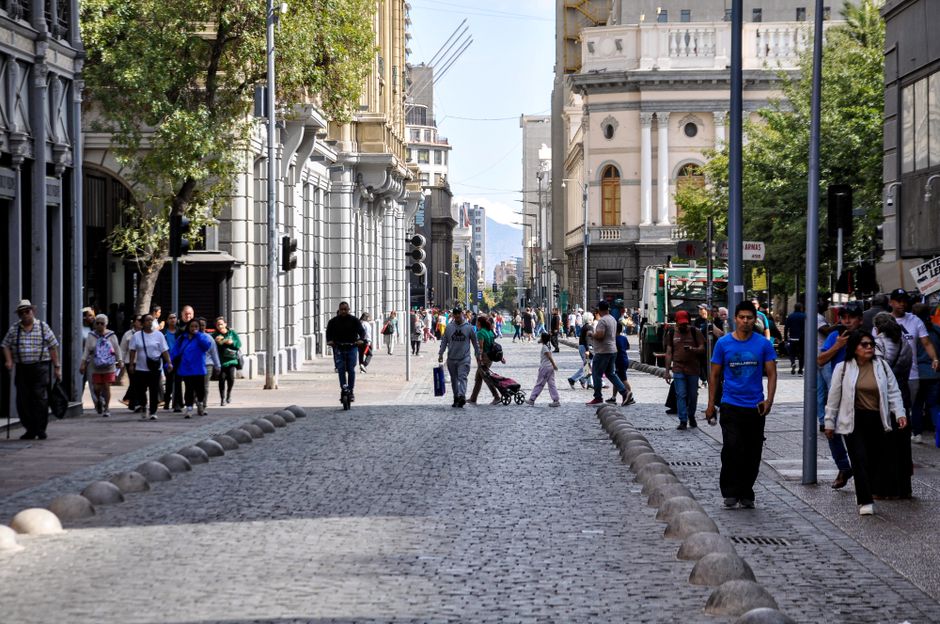
Santiago city council approves major zoning changes across Providencia, Lastarria, and Ñuñoa. New 12-storey density plan could impact affordable housing availability and rental costs.
Santiago city council approves major zoning changes across Providencia, Lastarria, and Ñuñoa. New 12-storey density plan could impact affordable housing availability and rental costs.
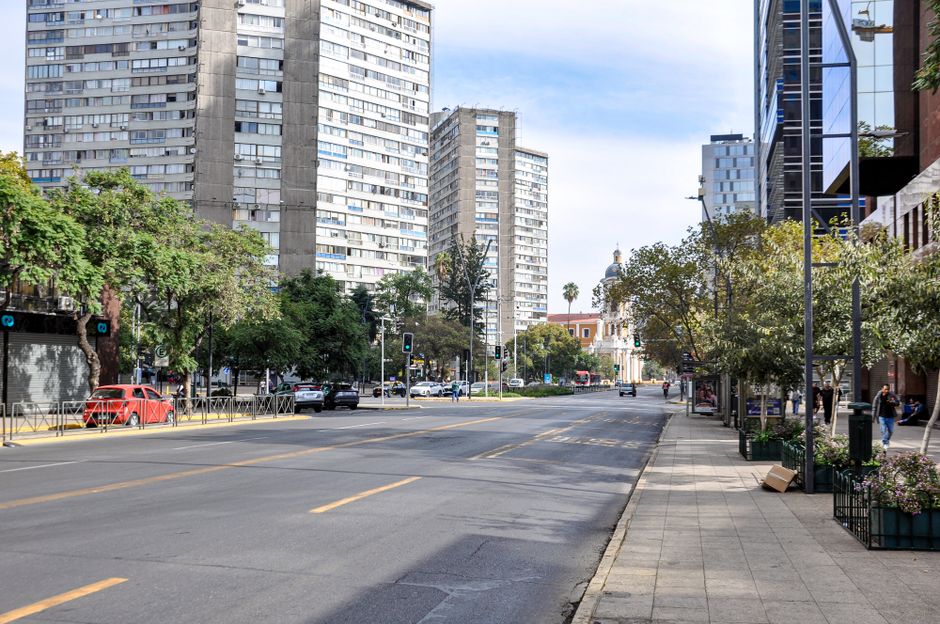
Santiago's city council voted narrowly this week to approve sweeping changes to housing density regulations across seven central neighbourhoods, marking the most significant urban planning shift in the capital in over a decade. The 24-19 vote on Wednesday signals both hope and concern among residents already grappling with a severe shortage of affordable housing.
The new zoning framework, which takes effect next month, will permit mixed-use developments of up to 12 storeys in traditionally mid-rise areas including Providencia, Lastarria, and parts of Ñuñoa. Proponents argue the plan addresses a genuine crisis: median housing prices in desirable central locations have climbed 34% over the past three years, while average salaries have stagnated.
The Metropolitan Institute of Housing reports that Santiago's vacancy rate has dropped to 3.2% in central areas—well below the 5-7% considered healthy for functional markets. Young professionals and growing families increasingly face hourly commutes from outlying towns to reach employment hubs near Plaza de Armas and the financial district.
Yet opposition remains fierce. Neighbourhood associations staged protests along Avenida Providencia last Sunday, with residents concerned that rapid densification will strain existing infrastructure. Water pressure issues already affect parts of Las Condes during peak hours, and public transport networks remain inconsistent despite recent metro expansion.
The Municipal Planning Department acknowledged these pressures, announcing simultaneously that UF 2,800 (approximately USD 350,000) in funding would support infrastructure upgrades in affected zones over the next eighteen months. However, community leaders question whether such investment adequately addresses the cumulative impact of hundreds of new units entering these neighbourhoods.
Property developers welcomed the decision, with several announcing plans to file permits for conversion projects. Analysts predict construction activity will accelerate noticeably through 2027, potentially creating short-term employment but also temporary urban disruption.
Notably absent from this week's deliberations were commitments to inclusionary housing requirements—mechanisms that would mandate developers include affordable units within new projects. Several councillors had advocated for such provisions, arguing that liberalizing zoning without affordability guardrails risks simply enriching investors rather than solving the underlying crisis.
The vote reflects deeper tensions within Santiago's approach to urban growth. As the capital continues attracting internal migration and professional talent from across the region, planning officials face mounting pressure to accommodate expansion without destroying the neighbourhoods that make the city attractive in the first place.
City administrators confirmed that further public consultations will occur before implementation, though Wednesday's tight vote margin suggests consensus remains elusive on Santiago's urban future.
This article was compiled by AI and screened before publishing. See our editorial standards.
How does this story make you feel?
Spread the word
About this article
Published by The Daily Santiago
Daily brief
Free, in your inbox before 7am. Weekdays.
More in News