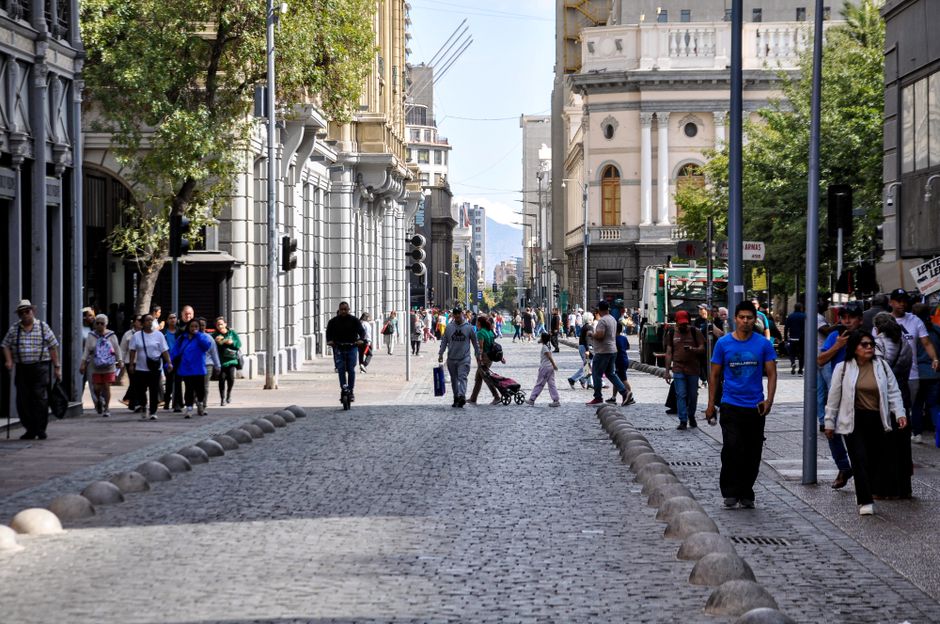
"They're Pushing Us Out": Santiago Residents Clash with City Over New Zoning Plans
Community members in Ñuñoa and La Florida voice fears that aggressive urban densification is pricing out long-time residents and erasing neighbourhood character.
Community members in Ñuñoa and La Florida voice fears that aggressive urban densification is pricing out long-time residents and erasing neighbourhood character.
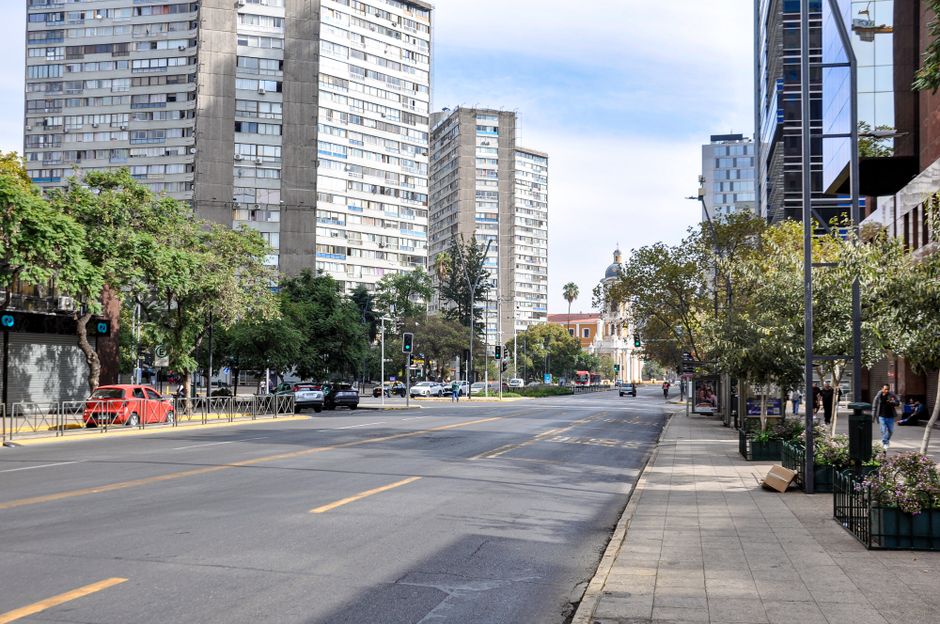
The Metropolitan Planning Office's announcement last month of revised zoning regulations for central Santiago neighbourhoods has sparked fierce resistance from residents who say the city is abandoning its most vulnerable populations in pursuit of developer profits.
The new framework would permit buildings up to 12 stories in previously restricted areas of Ñuñoa, Providencia, and extending toward La Florida—a move city planners argue will address Santiago's acute housing shortage. Yet in community meetings from the Plaza de Armas district to the Parque Forestal precinct, residents paint a starkly different picture.
Housing costs in central Santiago have surged approximately 23 percent over two years, according to data from the Chamber of Construction. A two-bedroom apartment in Ñuñoa now averages 850,000 pesos monthly—pricing out families earning median wages around 1.2 million pesos. The proposed densification, residents contend, will only accelerate gentrification without guaranteeing affordable units.
"This isn't urban renewal—it's displacement," said Maria Gonzalez, a social worker who has organised residents' forums at the Biblioteca Viva community centre on Avenida Apoquindo. "We've watched what happens when neighbourhoods transform overnight. Property taxes climb, local businesses shutter, and the people who built these communities disappear."
The planning office estimates that current housing density supports 7.2 million residents across the metropolitan region, with projections suggesting demand for 300,000 additional units by 2035. Officials argue that without vertical expansion, sprawl into outlying areas like Puente Alto and San Bernardo will prove more costly and unsustainable.
Yet residents emphasise that height alone solves nothing without complementary social housing mandates. Current regulations require only 20 percent affordable units in new developments—a threshold many say remains too low given median family incomes.
Alberto Flores, who manages a hardware store on Avenida Irarrázaval that has operated for 31 years, worries the retail landscape will vanish entirely. "These new towers bring coffee chains and international brands. The neighbourhood identity gets erased," he said.
The city has scheduled additional public hearings through August at neighbourhood councils across affected areas. Meanwhile, advocacy groups including Habitat por la Humanidad and resident associations continue gathering signatures for a petition requesting a six-month delay for community impact assessments.
Santiago's housing crisis demands urgency, but residents increasingly question whether speed should trump the voices of those already calling the city home.
This article was compiled by AI and screened before publishing. See our editorial standards.
How does this story make you feel?
Spread the word
About this article
Published by The Daily Santiago
Daily brief
Free, in your inbox before 7am. Weekdays.
More in News