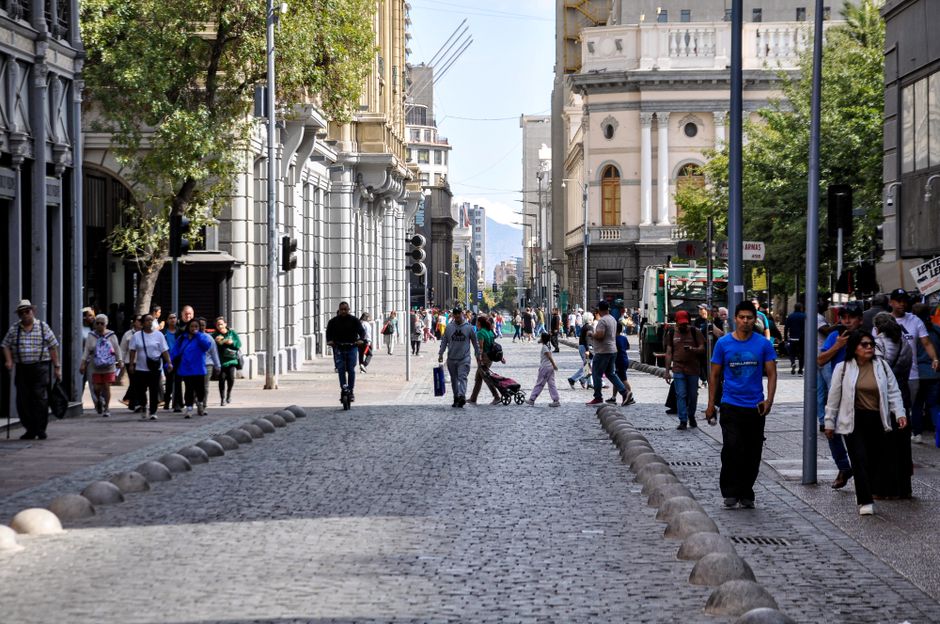
Walking through Ñuñoa on a sweltering afternoon, the impact of Santiago's concrete-heavy urban landscape is impossible to ignore. But a sweeping environmental initiative now underway could fundamentally change how residents experience their neighbourhoods—and significantly reduce the monthly costs of keeping homes comfortable.
The Santiago Metropolitan Sustainability Programme, launched this year by the municipal government in partnership with regional authorities, aims to retrofit 40,000 homes across high-density residential zones including Ñuñoa, La Florida, and Estación Central by 2029. The initiative focuses on improving thermal insulation, installing solar panels, and upgrading aging heating systems—interventions that officials project could reduce household energy consumption by up to 45 percent.
For Santiago residents, many of whom spend between $120-180 monthly on electricity during winter months, the implications are substantial. Energy bills represent a growing burden in a city where average household incomes have stagnated while utility costs have climbed 22 percent over the past four years.
The programme specifically targets older apartment buildings and single-family homes constructed before 2000, which account for roughly 60 percent of the capital's residential stock. These structures, lacking modern insulation standards, are particularly vulnerable to temperature fluctuations—a challenge exacerbated by Santiago's extreme seasonal variations and worsening air quality that forces residents to seal windows during winter months.
Beyond direct financial savings, the initiative addresses deeper community concerns. Improved building envelopes reduce reliance on heating systems that contribute to the toxic smog that blankets the city during winter months. The Mapocho River Neighbourhood Association, a grassroots environmental group, has documented how poorly insulated homes force residents to run inefficient heaters continuously, compounding the valley's air quality crisis.
Solar installation plans are equally ambitious. The programme targets 15,000 rooftop installations across the city, with subsidised rates for low-income households. In Quinta Normal and San Miguel, pilot projects have already begun, with participating residents reporting 35-40 percent reductions in grid electricity purchases.
Implementation challenges remain significant. Funding mechanisms, while substantial, have faced bureaucratic delays. Community engagement efforts are ongoing, particularly in neighbourhoods where tenant-landlord relationships complicate renovation decisions.
Still, for a city grappling simultaneously with climate pressures, air quality crises, and household budget constraints, the programme represents a rare convergence of environmental and economic imperatives. Whether Santiago can execute at scale will determine not just environmental outcomes, but the financial wellbeing of hundreds of thousands of residents facing an uncertain future.
This article was compiled by AI and screened before publishing. See our editorial standards.