news
Santiago's Housing Boom Creates Thousands of Fraudulent Property Document Cases
A decade of unchecked real estate photography shortcuts and duplicate imagery in official listings has quietly undermined property rights across the capital, here is how it happened.
How we reported this
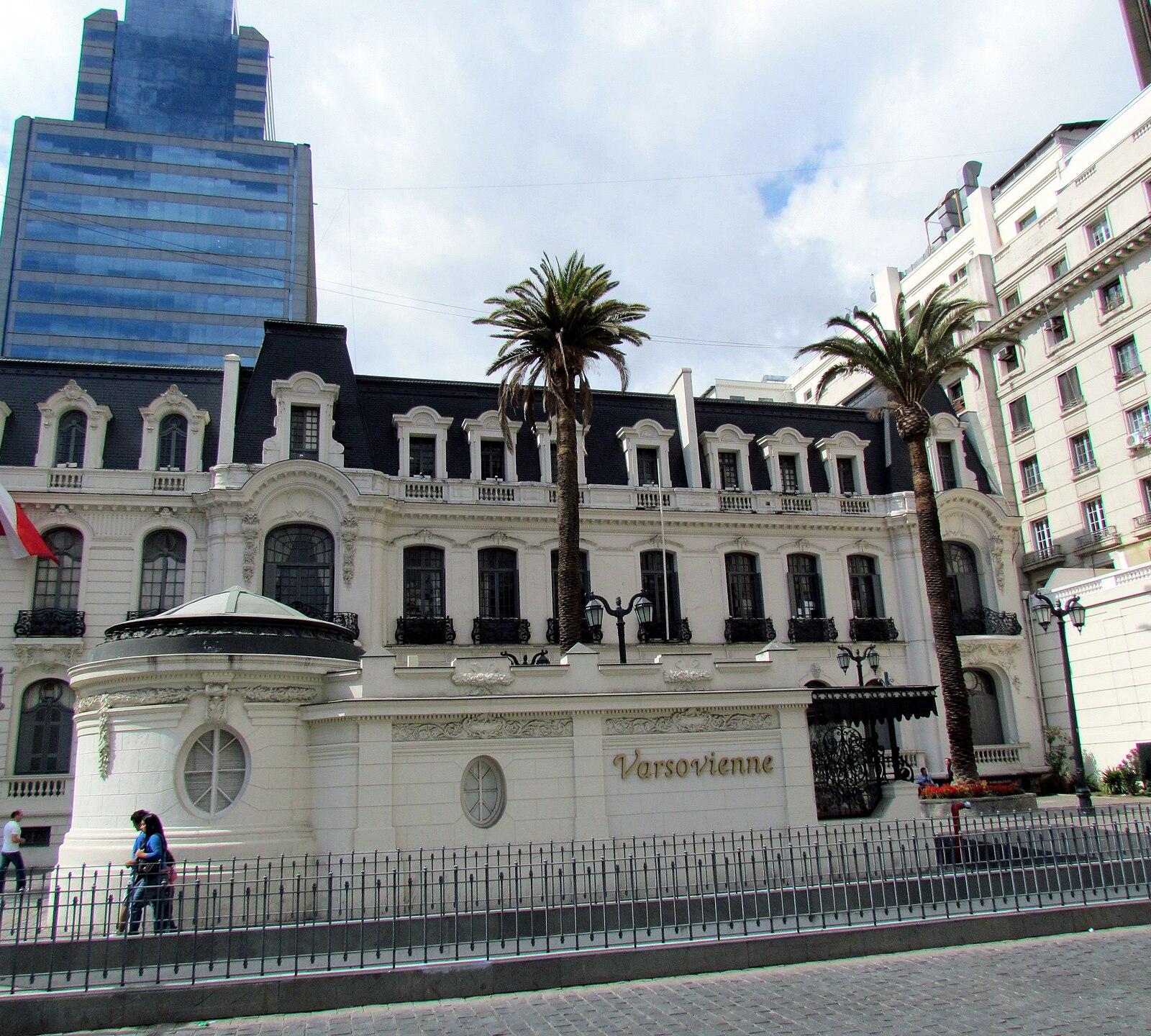
Chile's Conservador de Bienes Raíces, the national property registry, flagged more than 4,200 residential listings in Greater Santiago last year that contained duplicate or recycled images used to represent distinct properties, a problem that legal advocates say has its roots in the speculative construction surge that reshaped communes like Ñuñoa, Estación Central and Quilicura between 2012 and 2020.
The problem matters today because pension reform negotiations, immigration pressure from Venezuelan and Haitian communities settling in Independencia and Recoleta, and a tightening rental market have pushed tens of thousands of new residents into housing transactions with limited legal literacy. A fraudulent or misleading property image is not merely a cosmetic flaw, under Chilean consumer protection law, Law 19.496, it can constitute grounds to annul a rental or sales contract entirely.
The Construction Boom That Planted the Seeds
Santiago added roughly 85,000 new apartment units between 2014 and 2019, concentrated in transit corridors along Avenida Matta, Gran Avenida José Miguel Carrera and the stretch of Alameda running west toward Pudahuel. Developers working at speed hired photography contractors who recycled stock images, sometimes a single balcony photograph used to represent six different floors in the same tower, sometimes images lifted entirely from buildings in Providencia or Las Condes and attached to budget-tier units in Cerro Navia.
Real estate portals operating in Chile were not legally required to verify the originality of listing images until the Servicio Nacional del Consumidor, known as SERNAC, issued an administrative bulletin in March 2023 tightening disclosure rules for digital property advertising. That bulletin came three years after consumer complaints involving duplicate imagery first appeared in volume in SERNAC's public complaints register. Industry self-regulation through the Cámara Chilena de la Construcción had not addressed digital listing standards in any binding way before that date.
The gap between the construction boom and any regulatory response meant an entire generation of listings, many still circulating on secondary rental platforms as of mid-2026, was produced under no enforceable image-authenticity standard whatsoever.
Who Bears the Cost Now
The practical burden has fallen hardest on renters. Santiago's average asking rent for a studio apartment in Estación Central reached approximately 380,000 pesos per month by early 2026, according to market tracking by the Universidad de Chile's Centro de Producción del Espacio. At that price point, a renter who signs a contract based on misleading visual representations and later discovers the property does not match the advertised condition faces both the loss of a garantía, typically equivalent to one month's rent, and legal costs that can easily exceed 200,000 pesos to pursue through the Juzgado de Policía Local.
Community legal clinics operating out of the Universidad Diego Portales campus on Avenida República and the Corporación de Asistencia Judicial office in Barrio Yungay have handled a rising caseload of tenancy disputes in which duplicate or misrepresentative images form part of the evidentiary record. Legal staff at those offices have told reporters in general terms that the caseload in this category roughly doubled between 2022 and 2025, though precise institutional figures were not available for publication by deadline.
The Boric administration's housing ministry, the Ministerio de Vivienda y Urbanismo, proposed in late 2025 a digital registry pilot that would assign a unique verification code to property listing photographs submitted through licensed real estate agents, a scheme modelled in part on Uruguay's experience with its Catastro Nacional. That pilot has not yet been extended beyond the initial 12-commune test area in Greater Santiago's eastern sector.
For renters and buyers transacting right now, legal advocates recommend requesting a certified visit to the property before signing any document, cross-referencing the Rol de Avalúo number from the Servicio de Impuestos Internos against the photographs in any listing, and filing a formal complaint with SERNAC if images appear inconsistent with the physical property, a process that can be initiated online and costs nothing. The registry problem did not emerge overnight, and it will not be resolved before the next wave of listings hits the market in the spring rental season beginning in September.