news
Fake Photos Drain Santiago Renters' Wallets as Fraud Surges
Duplicate and manipulated listing images are fuelling fraud in Santiago's already strained rental market, and residents in Estación Central and Pudahuel are bearing the brunt.
How we reported this
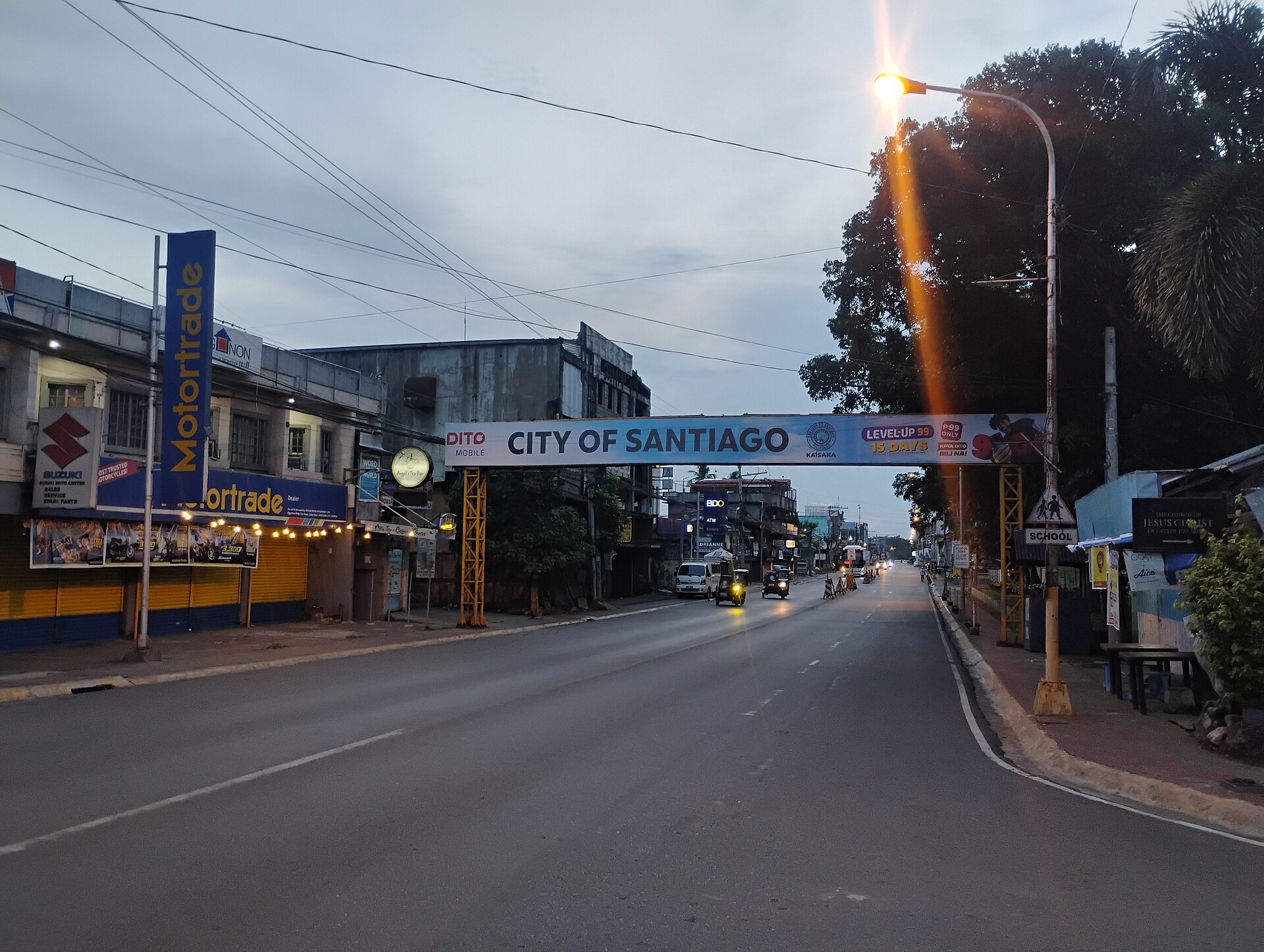
Santiago renters are being deceived at alarming rates by fraudulent property listings that recycle duplicate photographs to advertise apartments that either don't exist as shown or have already been rented to someone else. The practice, known in the industry as duplicate image fraud, has accelerated as Chile's rental market tightened through 2025 and into 2026, with monthly rents in sectors like Ñuñoa and Macul rising well above what many households can sustain.
The timing matters. The Boric administration's housing affordability agenda has pushed demand into lower-cost peripheral communes, precisely where enforcement is weakest and where newly arrived Venezuelan and Haitian immigrants are most likely to be searching for accommodation under pressure. Those populations, often unfamiliar with Chilean consumer protection law, are disproportionately exposed.
How the Scam Works, and Where It Hits Hardest
The mechanics are straightforward. A fraudster lifts legitimate photographs from an authentic listing on platforms like Portal Inmobiliario or Yapo.cl, reposts them under a different price or address, collects a reservation deposit, typically between $150,000 and $300,000 Chilean pesos, and vanishes. Victims in Estación Central, particularly around Avenida Alameda near the bus terminal, have reported losing deposits to listings that were either already occupied or fictitious altogether. The Municipalidad de Estación Central has no dedicated unit to handle these complaints; residents are directed to SERNAC, the national consumer protection agency, or to the Carabineros cyber-crime reporting portal.
SERNAC received a rising volume of digital marketplace complaints through 2024 and 2025, though the agency has not publicly disaggregated rental fraud specifically from broader e-commerce disputes. The Defensoría del Pueblo, which does not formally exist in Chile's current institutional structure, leaves a gap that community legal clinics at the Universidad de Chile's law faculty on Avenida Santa María have been quietly filling, offering free advice sessions on Tuesdays and Thursdays to residents who believe they have been scammed.
In Pudahuel, where rental supply has expanded alongside new social housing projects near the Aeropuerto Arturo Merino Benítez corridor, the problem takes a slightly different form. Listings there sometimes use photographs from legitimate new builds and attach false addresses, exploiting the fact that many streets in newer subdivisions are not yet fully mapped on Google Street View or other verification tools available to the average renter.
What Residents Can Do Right Now
Technology exists to fight back. Reverse image search, available through Google Images and the TinEye platform at no cost, allows anyone to paste a listing photograph and check whether it appears on other sites under different addresses or prices. Consumer advocates working with the Hogar de Cristo's housing support programme in Pudahuel have begun including this step in their intake process for families seeking rental assistance, according to information published on the organisation's website.
Chilean law under the Ley del Consumidor does provide avenues for recovering deposits paid under fraudulent misrepresentation, but the process requires a formal SERNAC complaint followed, in most cases, by small claims proceedings in the Juzgado de Policía Local for the relevant commune. That process can take three to six months, time that a family already without stable housing cannot easily absorb.
The practical advice from consumer law specialists is consistent: never transfer a deposit before visiting the property in person with valid identification, verify the landlord's identity against the Conservador de Bienes Raíces records online, and photograph the listing before it can be removed. Listings that pressure prospective tenants toward rapid digital transfers to accounts outside Chile, or to accounts held by third parties, are a strong indicator of fraud.
With pension reform negotiations consuming legislative bandwidth in Santiago's Congress and the constitutional process still reshaping regulatory priorities, a targeted national response to rental image fraud is not on any committee's agenda for the July session. For now, the burden of protection falls on renters themselves, which in this market, in these communes, is a burden that already sits heavier than it should.