news
Santiago's Underfunded Digitization Left Public Records Duplicated, Governance Broken
The duplication of official images in municipal databases is the product of years of underfunded digitisation, rushed migration projects, and no single agency willing to own the mess.
How we reported this
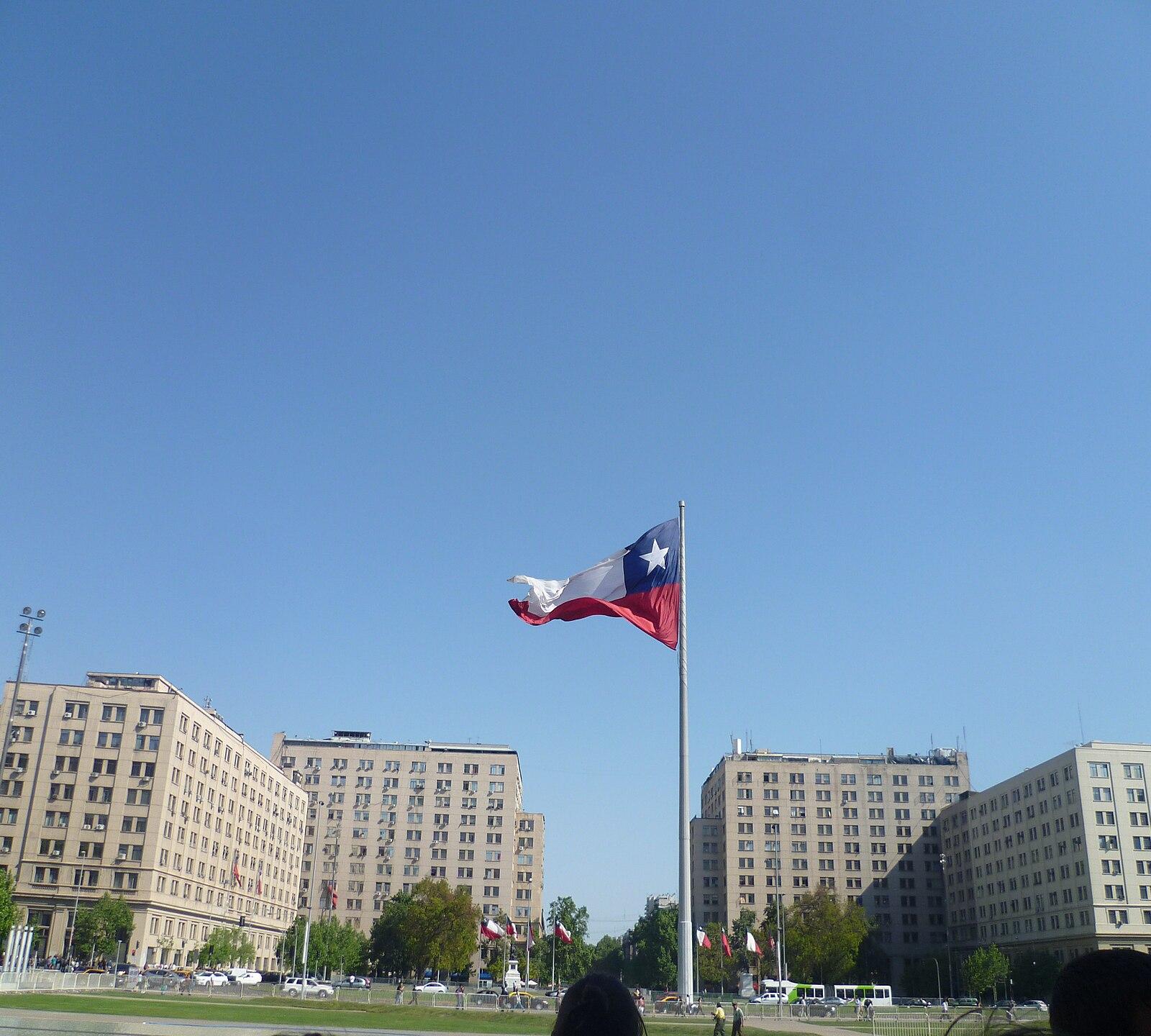
Santiago's municipal archives have a problem that nobody planned for and few officials want to explain publicly: thousands of duplicate images, identity photographs, property survey scans, permit documentation, now clog the shared digital infrastructure that underpins everything from housing approvals in Pudahuel to business licensing on Avenida Libertador Bernardo O'Higgins. The failure is not sudden. It accumulated quietly across nearly a decade of piecemeal digitisation drives.
The timing matters. Chile is in the middle of a housing affordability emergency concentrated in the capital, with the Ministerio de Vivienda y Urbanismo running its DS19 social housing programme at full pressure across comunas like La Pintana and Cerro Navia. When duplicate images corrupt permit files or stall title verification, real families waiting for subsidised units wait longer. Municipal staff at the Municipalidad de Santiago's Dirección de Obras Municipales have had to reconcile records by hand, a process that, according to a 2024 audit published by the Contraloría General de la República, added an average of 11 working days to standard permit processing times.
Where the Duplication Came From
The origin traces to at least three separate digitisation campaigns that ran without a unified data standard. The first, launched under the Bachelet administration's Agenda Digital 2020, pushed municipal offices to scan and upload decades of paper records. The second was a 2019 CORFO-funded project that contracted private vendors to migrate imagery into a centralised cloud repository. The third was a pandemic-era emergency push in 2020 and 2021, when the Registro Civil e Identificación suspended in-person services and accelerated its own digital image database, a system that was never fully reconciled with municipal copies already in circulation.
Each campaign used different file-naming conventions. None required municipalities to delete source files after migration. The result was a layered archive in which the same scanned document could exist simultaneously in a vendor's cloud bucket, a municipality's local server, and the national repository, sometimes with conflicting metadata, sometimes with image compression artefacts that made automated deduplication algorithms flag legitimate documents as corrupted. IT staff at the Municipalidad de Maipú identified the problem internally as early as March 2022 but lacked the authority to alter records held in systems managed by national-level bodies.
Why It Stayed Broken
Jurisdiction is the core obstacle. The Subsecretaría de Desarrollo Regional y Administrativo, known as SUBDERE, oversees municipal technology standards but does not operate the national image repositories. The Registro Civil holds its own data under separate legislation. CORFO funded infrastructure but has no ongoing mandate for maintenance. When the Contraloría flagged the duplication problem in its 2024 report, the response from the relevant ministries amounted to mutual referral: each body acknowledged the issue existed within systems it did not control.
President Gabriel Boric's administration committed in its 2022 programme of government to a unified interoperability framework for public-sector data, a goal that was absorbed into the broader digital government agenda run out of the División de Gobierno Digital in the Ministerio Secretaría General de Gobierno. Progress has been incremental. A pilot interoperability protocol launched in late 2024 covers only four comunas, Providencia, Ñuñoa, Santiago Centro, and Vitacura, and applies to new records created after January 2025, leaving the historical backlog untouched.
The backlog is not trivial. Industry estimates from the Chilean technology association ACTI, published in its 2025 sector report, put the volume of potentially duplicated public-sector image files in the Santiago Metropolitan Region at over 4.2 million individual records. Cleaning them requires human review, legal sign-off on deletion, and storage resources that most comunas have not budgeted for.
What happens next will depend on whether the Ministerio de Hacienda approves a dedicated remediation line in the 2027 budget cycle, which begins formal deliberation in August. Municipal technology officers in comunas along the Alameda corridor, including Estación Central and San Miguel, have begun lobbying SUBDERE for a shared-cost programme that would let smaller municipalities pool resources for the cleanup rather than shoulder it alone. Until that funding arrives, staff will keep reconciling records by hand, one permit at a time.