news
Santiago's Corrupted Property Records Halt Hundreds of Home Sales
A years-long backlog of corrupted and duplicated photographs in the Conservador de Bienes Raíces system has left hundreds of property transactions stalled across the capital.
How we reported this
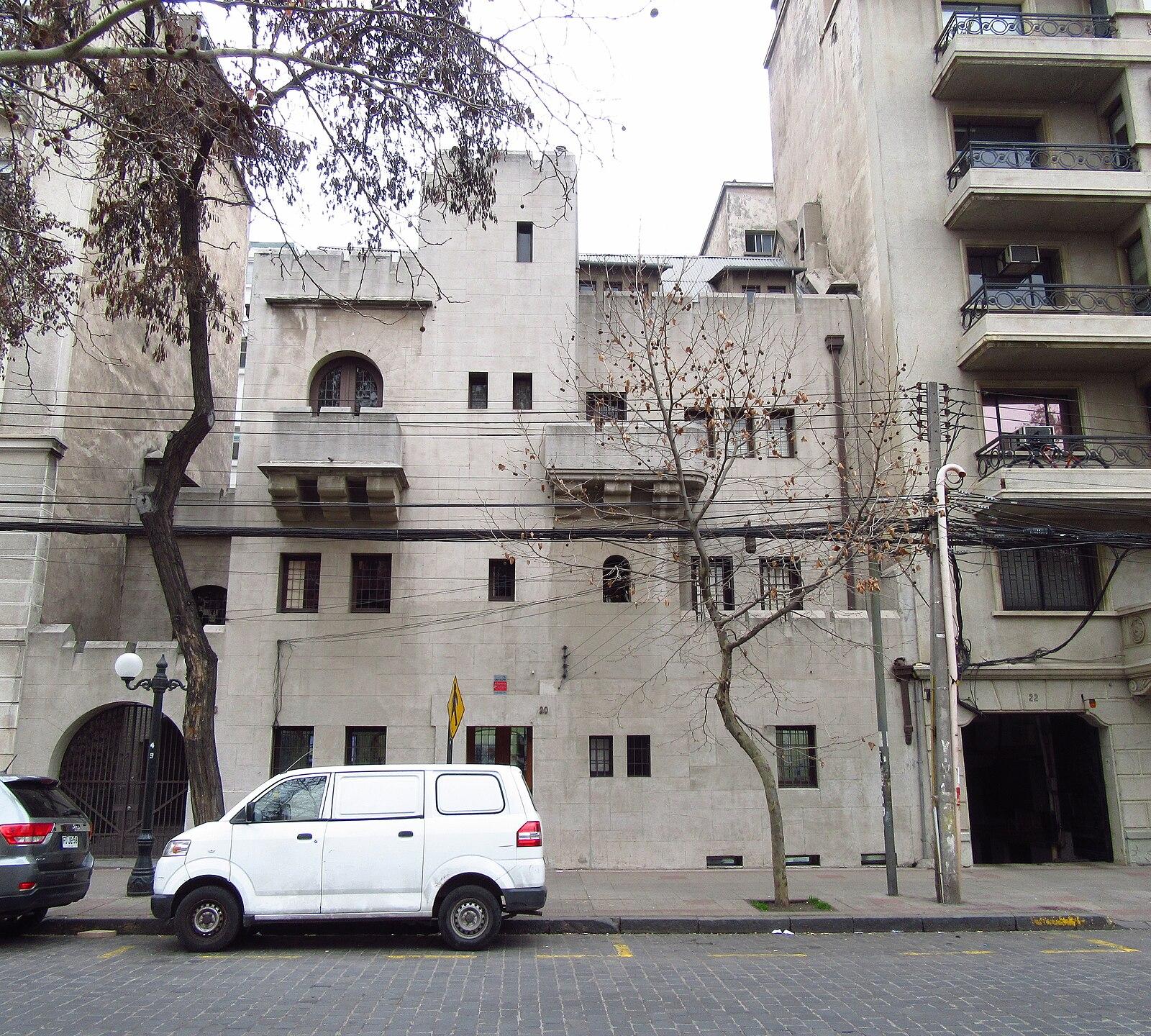
Thousands of property files held by the Conservador de Bienes Raíces de Santiago contain duplicate, corrupted, or mismatched images, a digital housekeeping failure that has quietly accumulated since the office began scanning paper records in 2014 and that is now blocking sales, mortgage approvals, and inheritance transfers for owners across the city.
The problem matters today because the Boric administration's push to accelerate affordable housing construction in communes like Pudahuel and Cerro Navia has run directly into it. Developers attempting to clear title chains before breaking ground are finding digitised folios that reference the wrong cadastral photograph, or that carry the same image attached to two separate property parcels, errors that require manual review by a functionary before any instrument can proceed. With the national housing deficit estimated at roughly 650,000 units, according to figures the Ministry of Housing and Urban Planning published in 2024, administrative bottlenecks of this kind carry real economic weight.
A Paper Archive That Was Never Fully Tamed
The Conservador's digitisation drive was ambitious from the start. The office on Morandé 440, steps from the Plaza de Armas, holds title records stretching back to the mid-nineteenth century, millions of folios covering everything from a studio apartment in Barrio Italia to an industrial lot on Avenida Américo Vespucio. When staff began photographing those paper ledgers and uploading them to the online consultation portal, the scanning equipment was inconsistent, file-naming conventions changed at least twice, and quality-control checkpoints were intermittent. The result was a database where the same image could be written to multiple file paths, or where a rescan intended to replace a blurry original was stored alongside it rather than over it.
Notaries in Providencia and real estate lawyers operating out of offices near the Tribunales de Justicia on Compañía de Jesús began flagging the anomalies in client files as far back as 2018. The issue did not attract sustained institutional attention until the Colegio de Notarios de Chile raised it formally in a 2022 technical report, which recommended that the Conservador adopt a centralised image-management protocol with mandatory duplicate detection before any new upload is accepted. That recommendation was acknowledged but not implemented before the administration changed in March of that year.
What the Backlog Looks Like on the Ground
In practical terms, a buyer purchasing a flat in Ñuñoa or a family trying to register an inherited lot in Maipú faces a process that should take between five and fifteen business days under the Conservador's own published service standards. When a duplicate-image flag appears on the folio, the file is pulled for manual review. That queue, according to the Conservador's public transaction status portal, was running at between 30 and 45 business days for flagged files as of June 2026, two to three times the standard window.
The financial exposure is not trivial. Mortgage bridge financing typically carries a monthly cost pegged to the Unidad de Fomento, Chile's inflation-indexed unit of account. With the UF trading above 38,000 pesos in early July 2026, a buyer holding a short-term bridging arrangement while waiting for a stalled folio can accumulate tens of thousands of pesos in additional interest charges per week.
The Servicio Nacional del Consumidor, known as SERNAC, logged a 34 percent increase in complaints related to real estate transaction delays between January and May 2026 compared with the same period in 2025, according to figures on its public dashboard. Not all of those complaints trace to the image problem, but notarial associations in Santiago Centro have pointed to Conservador processing times as a recurring factor in correspondence with the Ministry of Justice.
The Justice Ministry has indicated it is reviewing a technical proposal that would allow the Conservador to run automated duplicate-detection software against its existing image library before the end of 2026. Property owners currently caught in the backlog are advised to request a written status report directly from the Conservador's counter on Morandé, retain all receipts showing the original submission date, and ask their notary to flag any folio with a duplicate-image annotation so the manual review queue can be formally prioritised.