Politics
Four Bills Could Reshape Santiago Housing, Transit, and Living Costs
From housing density rules to public transit funding, bills moving through the Congreso Nacional this month carry direct consequences for what Santiago residents pay, where they live, and how they get around.
How we reported this
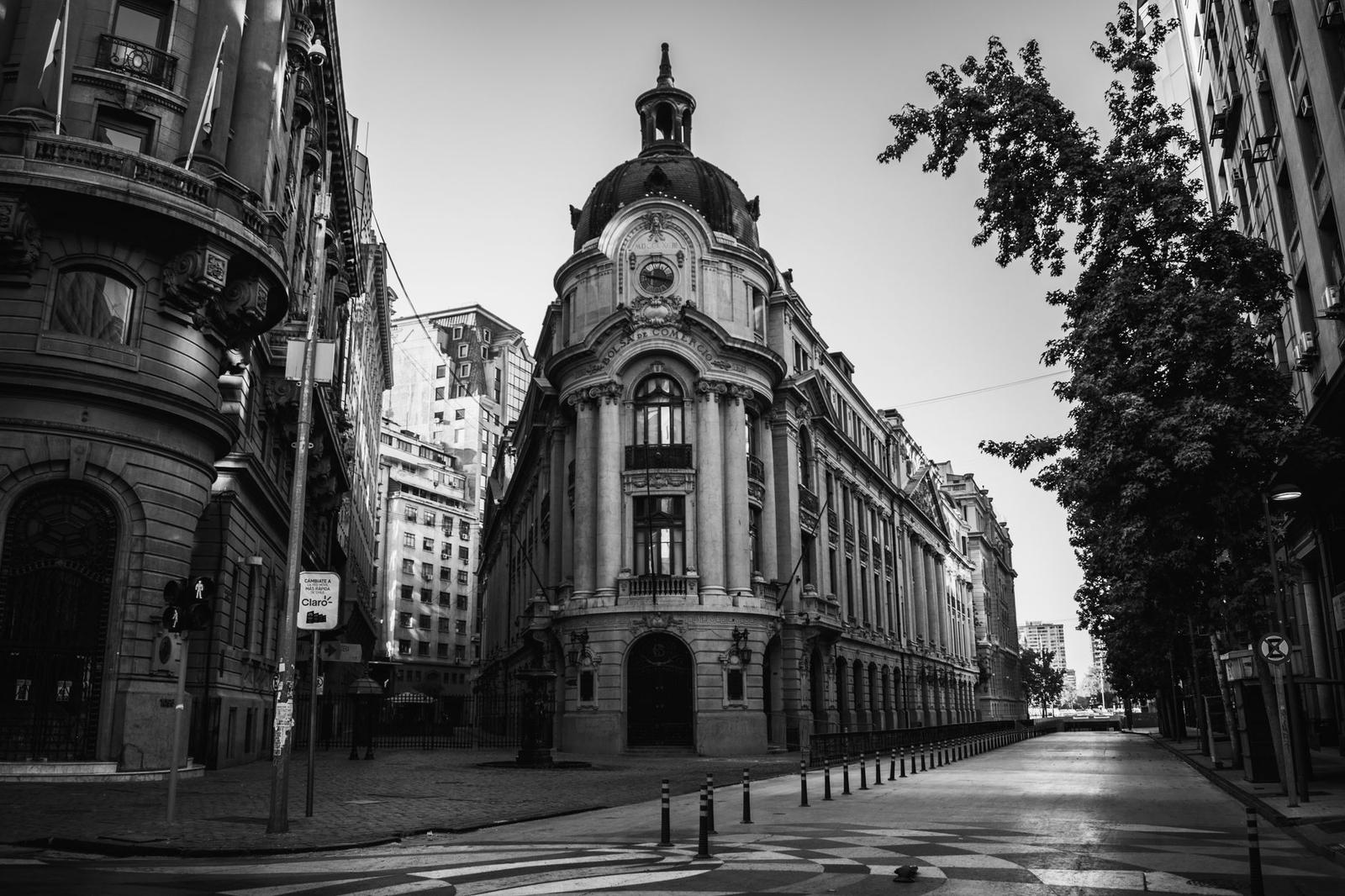
Four bills currently listed as active in Chile's Congreso Nacional chamber tracker touch nearly every corner of daily life in Santiago, covering urban densification limits, metropolitan transit subsidies, municipal waste fees, and a proposed expansion of the Sala Cuna Universal childcare programme. None has completed its full legislative arc, but each has cleared at least one committee reading, meaning residents should expect concrete changes within the next six to eighteen months if momentum holds.
The timing matters. Santiago's metropolitan population crossed 7.1 million in the 2024 National Statistics Institute estimate, adding roughly 80,000 residents per year, which has pushed housing costs, commute lengths, and waste volumes to levels that city planners say existing law was not designed to handle. Legislators from across the political spectrum have cited those pressures as the reason for the current cluster of reform bills, though they disagree sharply on remedies. The result is a legislative calendar unusually dense with measures that will reach residents not through a single sweeping reform but through a series of overlapping changes to fees, services, and building rules.
Housing and Transit: The Bills Closest to a Floor Vote
The densification bill, formally titled Proyecto de Ley de Integración Social y Urbana, would allow residential towers of up to twelve storeys within 500 metres of Metro stations in communes currently zoned for four storeys or fewer. Policy analysts at the Centro de Estudios Públicos have noted that restricting height near transit corridors keeps land prices artificially high in areas already served by infrastructure. For Santiago residents, approval would mean more apartment supply in communes such as Ñuñoa, Macul, and La Florida, where the Metro's Line 4 and Line 5 run through neighbourhoods largely built out at low density. The bill's own impact assessment projects the addition of roughly 120,000 new housing units across the metropolitan region over a ten-year horizon if passed as drafted, though that figure depends on private investment following the zoning change.
A separate transit subsidy bill proposes increasing the state contribution to Transantiago, now operating under the Red Metropolitana de Movilidad brand, by approximately 18 percent above current allocations. The 2026 transport budget already set the subsidy at 680 billion Chilean pesos; the bill would add a further 122 billion pesos annually, indexed to fuel and wage inflation. The practical effect for commuters is that base fares would remain frozen at their current level through at least 2028 under the bill's provisions, rather than rising with the cost adjustments that operators have formally requested.
Childcare Expansion and Waste Fees: What Residents Will Notice First
The Sala Cuna Universal expansion bill, which has passed the education committee and is awaiting a full chamber vote, would extend subsidised daycare entitlement to children up to two years old in households earning up to the 80th income percentile nationally. Santiago concentrates a disproportionate share of eligible families: JUNJI, the national childcare agency, reported in its 2025 annual figures that the Metropolitan Region accounts for 43 percent of all Sala Cuna enrolments in Chile. If passed, the government says the policy will add approximately 35,000 new subsidised places in the region, with new centres expected to open preferentially in southern Santiago communes including La Pintana, El Bosque, and San Bernardo, where waiting lists are longest.
The municipal waste bill is the measure most likely to affect household budgets directly and soonest. It would authorise Santiago-area municipalities to introduce a volume-based collection fee, replacing the current flat contribution embedded in property rates. Under the model described in the bill's technical annex, households generating less than 60 litres of residual waste per week would pay a lower base rate, while higher-volume producers would pay progressively more. The legislation states that communes must phase in the new fee over three years from the date of enactment, giving residents and local governments time to adjust.
All four bills remain subject to amendment and could stall, be modified substantially, or face a presidential veto. The Congreso's official bill tracker lists their next scheduled readings between August and October 2026. Residents wanting to follow progress can access the tracker directly through the Senado and Cámara de Diputadas y Diputados public portals, where committee reports and voting records are published within 48 hours of each session.