Politics
Santiago Mayor Adopts Wildfire Risk Management Plan, Tightening Building Codes in High-Hazard Zones
New regulations will require property owners in Santiago's outlying districts to upgrade fire-resistant materials and clear vegetation within 30 metres of structures, affecting thousands of homeowners.
How we reported this
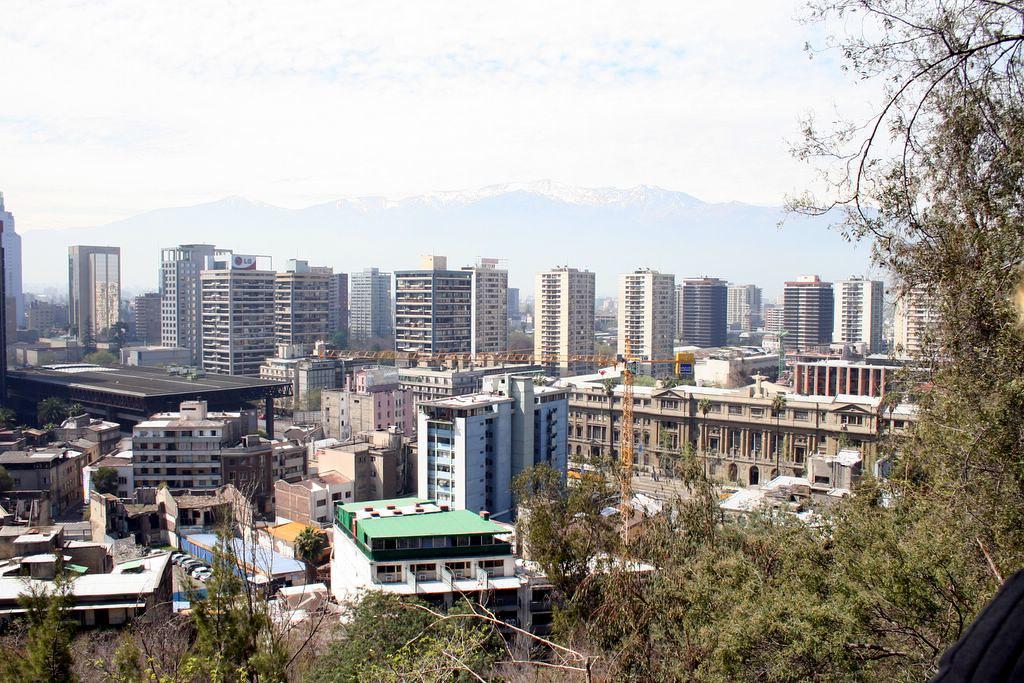
Santiago's municipal government has formally adopted a Wildfire Risk Management Plan that imposes new building and land management standards across the city's high-hazard areas, following consultation with fire services and urban planners over the past 18 months.
The policy, approved at yesterday's city council session, applies mandatory fire-resistant building materials and vegetation clearance requirements to properties in designated risk zones covering roughly 15 percent of Santiago's municipal area. The mayor's office says the regulations respond to escalating wildfire threats across regions with similar climate and terrain conditions. Recent fires in comparable jurisdictions have killed dozens and displaced thousands, prompting local officials to act before summer reaches its peak severity.
What Changes for Santiago Property Owners
Owners of residential and commercial properties in the mapped high-risk zones must comply with the new standards within 24 months. Specific requirements include installing roof coverings rated to withstand ember attacks, maintaining gutters clear of debris, and removing tree branches within 3 metres of any roof line. Properties must also establish a defensible perimeter by clearing vegetation to 30 metres from building edges, though the council has exempted protected native plantings and specified alternatives for landscape design.
The policy creates exemptions for properties where landslide or erosion risk would increase with vegetation removal, and allows property owners to apply for extensions if compliance costs exceed 8 percent of the assessed property value. The city's Department of Urban Planning will process applications and provide a list of approved contractors by September 1st.
For Santiago residents in lower-risk zones, the regulations do not apply, though the council has released voluntary guidance for homeowners who wish to adopt similar protective measures. The city's fire service conducted a hazard assessment across 12,400 properties identified as high-risk, completing surveys in 2024 and 2025.
Budget and Implementation Timeline
The municipal budget allocated 4.2 million to fund 60 percent of compliance costs for homeowners earning below the median household income in Santiago. Applications for financial assistance open on August 15th, with grants distributed on a first-come, first-served basis until funds exhaust. Low-income residents classified as vulnerable under the city's social welfare criteria receive full subsidies.
The city council has also directed the Compliance and Safety Division to conduct annual inspections of high-risk properties starting in 2027. Owners who fail to meet standards face fines beginning at 800 dollars, escalating to 2,400 dollars if non-compliance continues beyond a 90-day remediation window. The mayor's office says it expects 85 percent of affected properties to meet requirements within the 24-month deadline based on similar projects in neighbouring municipalities.
Implementation begins immediately for new construction permits in high-risk zones. Existing properties receive the two-year window to make changes. The city will publish detailed compliance maps and standards online by July 25th, with free public information sessions held at community centres across affected neighbourhoods throughout August.