Santiago's luxury property market is undergoing its most significant transformation in a decade, driven by a cluster of ambitious new developments that are fundamentally reshaping how the city's elite neighbourhoods function and compete for buyers.
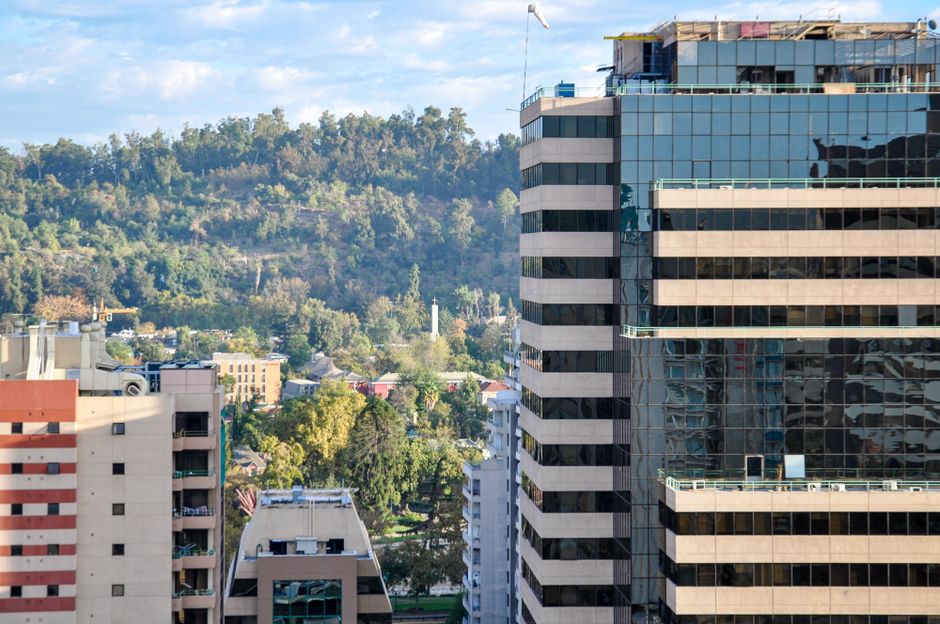
The Las Condes corridor—particularly around Avenida El Bosque and extending toward the foothills—has become ground zero for this shift. New mixed-use towers combining penthouses with world-class amenities are commanding prices well beyond the traditional CLP 85M city average, with units regularly exceeding CLP 200M. These aren't merely residential blocks; they're integrated communities featuring private clubs, spa facilities, and concierge services that cater to an increasingly cosmopolitan buyer base, including a growing contingent of foreign investors seeking Santiago exposure.
Vitacura, long established as the city's most exclusive address, is responding with its own evolution. Heritage properties along Avenida Vitacura are being carefully replaced with boutique developments that preserve neighbourhood character while introducing contemporary luxury. The strategy reflects a critical market reality: prestige now demands more than address cachet—it requires integrated lifestyle infrastructure.
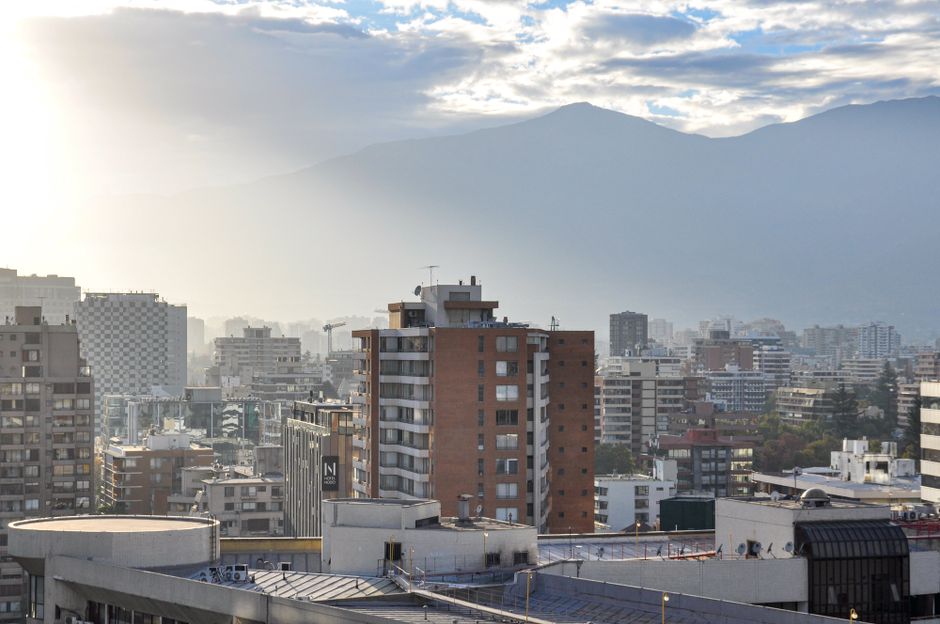
Providencia and Ñuño, traditionally positioned as accessible-luxury markets, are catching the spillover effect. New mid-rise residential projects in these neighbourhoods—particularly near Plaza Italia and the cultural precinct—are attracting young professionals and established families seeking premium quality at slightly more rational price points. This diversification is improving overall neighbourhood desirability while reducing concentration risk in the ultra-premium segment.
What's particularly significant is the architectural and sustainability positioning of these new projects. Developments incorporating solar technology, water recycling systems, and biophilic design elements are becoming standard rather than exceptional. Buyers increasingly view environmental credentials as markers of prestige rather than nice-to-have features—a shift that's forcing established luxury market players to recalibrate their value propositions.
The development wave also reflects changing investor psychology. Rather than viewing luxury property purely as residential real estate, sophisticated buyers now assess projects as total ecosystem investments. Access to cultural venues, proximity to professional services, integration with public transport infrastructure, and community amenities are weighted equally with unit finishes and views.
For Santiago's property market, these dynamics signal maturation. The luxury segment is no longer defined by scarcity and prestige alone, but by innovation, sustainability, and lifestyle integration. Neighbourhoods that adapt—modernising infrastructure while maintaining character—will consolidate their positions. Those that resist will gradually lose relevance, regardless of historical standing.
The question isn't whether Santiago's elite neighbourhoods will transform. It's whether they'll shape that transformation, or be shaped by it.
This article was compiled by AI from the sources linked above and screened before publishing. See our editorial standards.