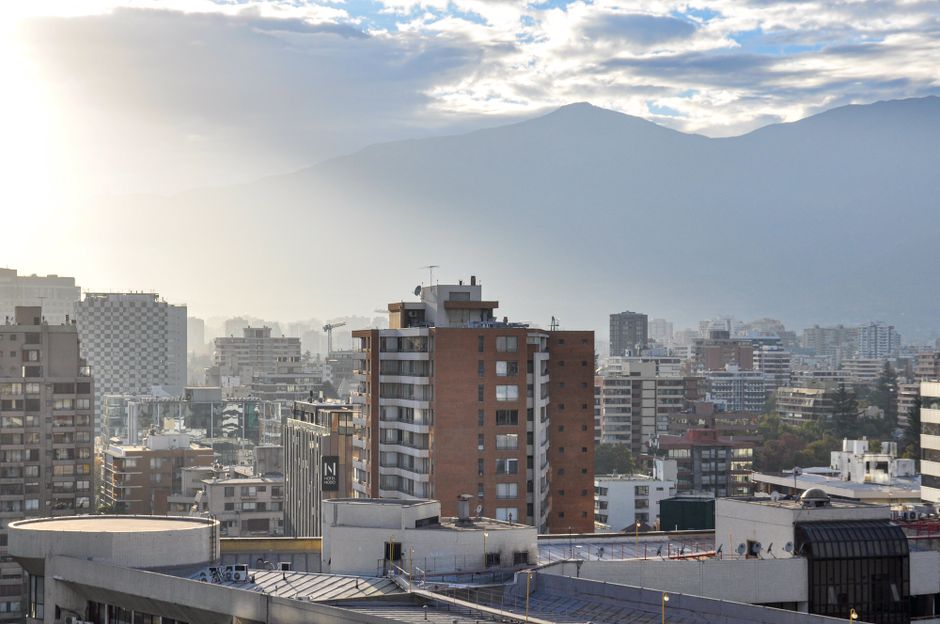
While Las Condes and Vitacura continue to dominate Santiago's property conversation, a subtler shift is underway in Maipu. The traditionally working-class neighbourhood sprawling west of the Mapocho is emerging as an unlikely hotspot for investment-focused buyers, driven by improving yields that increasingly outpace the city's stagnant premium zones.
The numbers tell the story. Properties in central Maipu around Avenida Cinco de Abril now command rental yields of 4.5–5.2 percent—substantially above the 2.8–3.1 percent typical in Las Condes. A modest two-bedroom apartment near Metro Maipu station, priced around CLP 55–65M, can generate monthly rental income of CLP 250,000–280,000, attracting both young professionals and families stretched by Santiago's broader affordability crisis.
The infrastructure narrative explains much of this appeal. The expansion of Metro Line 3 connections and ongoing redevelopment along Avenida 10 de Julio have shortened commute times to the financial district and university corridors. New shopping centres, including extensions near Parque O'Higgins, have improved retail amenities without the premium pricing of inner-ring suburbs. These practical improvements matter to tenants—and therefore to landlords hunting stable, long-term income.
Foreign buyer interest, particularly from Peruvian and Colombian investors seeking regional hubs, has also lifted Maipu's profile in ways that traditional migration patterns to Las Condes never did. The neighbourhood's cultural diversity and lower entry price point appeal to diaspora communities seeking rental accommodation near family and community networks along Avenida Independencia.
For landlords considering the market, several practical lessons emerge. First, focus on proximity to Metro stations and major commercial corridors—properties within a 10-minute walk of transport command premiums. Second, unit size matters: compact one- and two-bedroom apartments, rather than larger family homes, attract the tenant base currently driving demand. Third, building quality and security are non-negotiable in a neighbourhood still shedding its working-class stigma; properties in newer complexes with controlled access command faster leasing cycles.
The caveat: Maipu remains vulnerable to broader economic shocks. If interest rates rise further or rental demand softens, yields could compress quickly. Yet for investors willing to manage properties actively and focus on fundamentals rather than speculative appreciation, Maipu's current positioning suggests the arbitrage opportunity window remains open—at least for another 18 months.
This article was compiled by AI from the sources linked above and screened before publishing. See our editorial standards.