New Build, New Rules: A First-Timer's Guide to Santiago's Development Boom
With construction approvals accelerating across the capital, first-time buyers need to understand the timeline, risks and opportunities before signing on the dotted line.
With construction approvals accelerating across the capital, first-time buyers need to understand the timeline, risks and opportunities before signing on the dotted line.
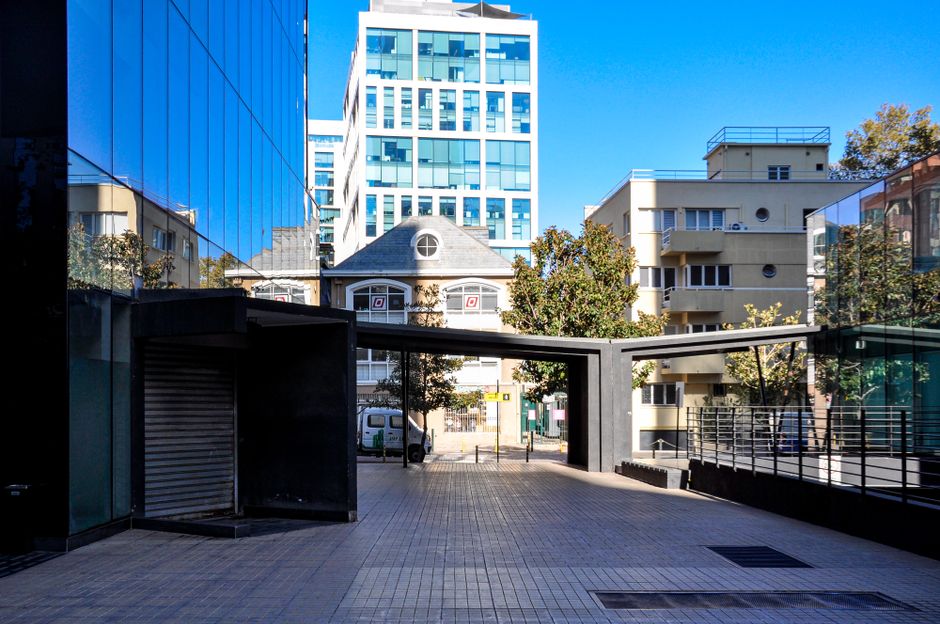
Santiago's property market is experiencing a construction renaissance. Recent municipal data shows development approvals surging in neighbourhoods from Providencia to Maipú, with projects ranging from mid-rise residential towers to mixed-use developments reshaping the urban landscape. For first-time buyers, this presents opportunity—but navigating the process requires understanding how Chile's development cycle works.
The first critical step is distinguishing between project stages. Pre-launch developments in premium zones like Las Condes and Vitacura often offer early-bird pricing, sometimes 10-15% below post-construction market rates. However, these require patience: a typical project on Avenida Costanera Norte or around Parque Forestal can take 3-5 years from approval to delivery. Buyers should verify that the developer has secured all required permits—including environmental clearance from relevant authorities—before committing funds.
Mid-stage projects, already under construction, reduce timeline risk. A development along Avenida Providencia or in the rapidly evolving Ñuñoa corridor typically delivers within 18-24 months. These often attract buyers balancing affordability with certainty; with the city's average apartment price hovering near CLP 85 million, seeing construction progress provides psychological reassurance.
For growth-focused buyers, emerging neighbourhoods like Maipú and Quilicura now host significant new supply. While prices remain lower than central Santiago, approvals are accelerating—a sign of developer confidence in these areas' infrastructure evolution. First-timers should assess proximity to the Metro Línea 6 extension and planned commercial hubs before purchasing.
Three essential checks before committing: First, verify the developer's track record through Servicio de Vivienda y Urbanismo (SERVIU) and municipal records. Second, engage an independent engineer to review construction timelines and specifications—delays are common and contractual penalties often prove inadequate. Third, understand financing conditions. Many developments offer payment plans tied to construction milestones; ensure your mortgage lender approves this structure.
The legal framework protecting buyers has strengthened, but gaps remain. Insist on clear delivery dates, penalty clauses favouring buyers, and comprehensive insurance coverage. Request access to project blueprints and site inspections where possible.
Market conditions favour informed buyers. With approvals climbing yet completion rates remaining variable, those who invest time understanding the development cycle—rather than chasing headlines about $2.3 million penthouses—position themselves to capture genuine value as Santiago continues its construction-driven transformation.
This article was compiled by AI from the sources linked above and screened before publishing. See our editorial standards.
How does this story make you feel?
Spread the word
About this article
Published by The Daily Santiago
Daily brief
Free, in your inbox before 7am. Weekdays.
More in Property