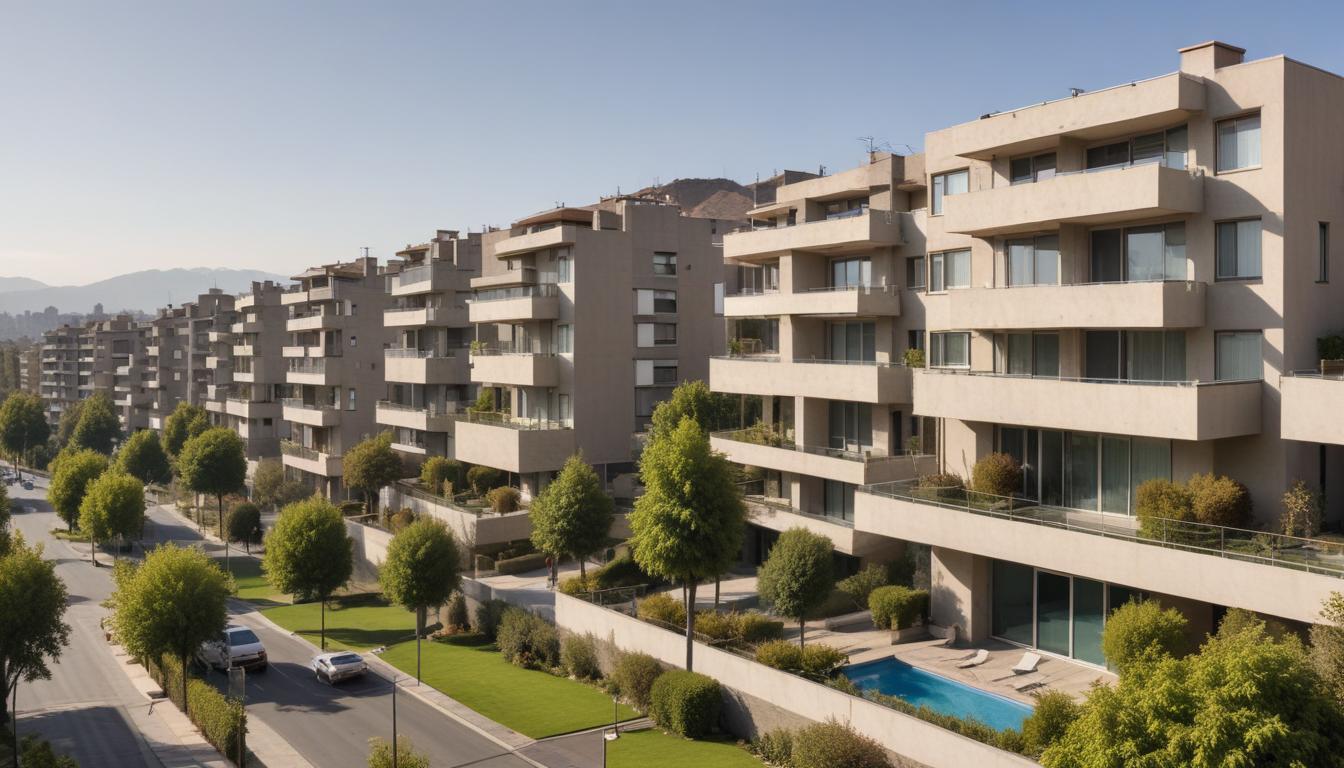
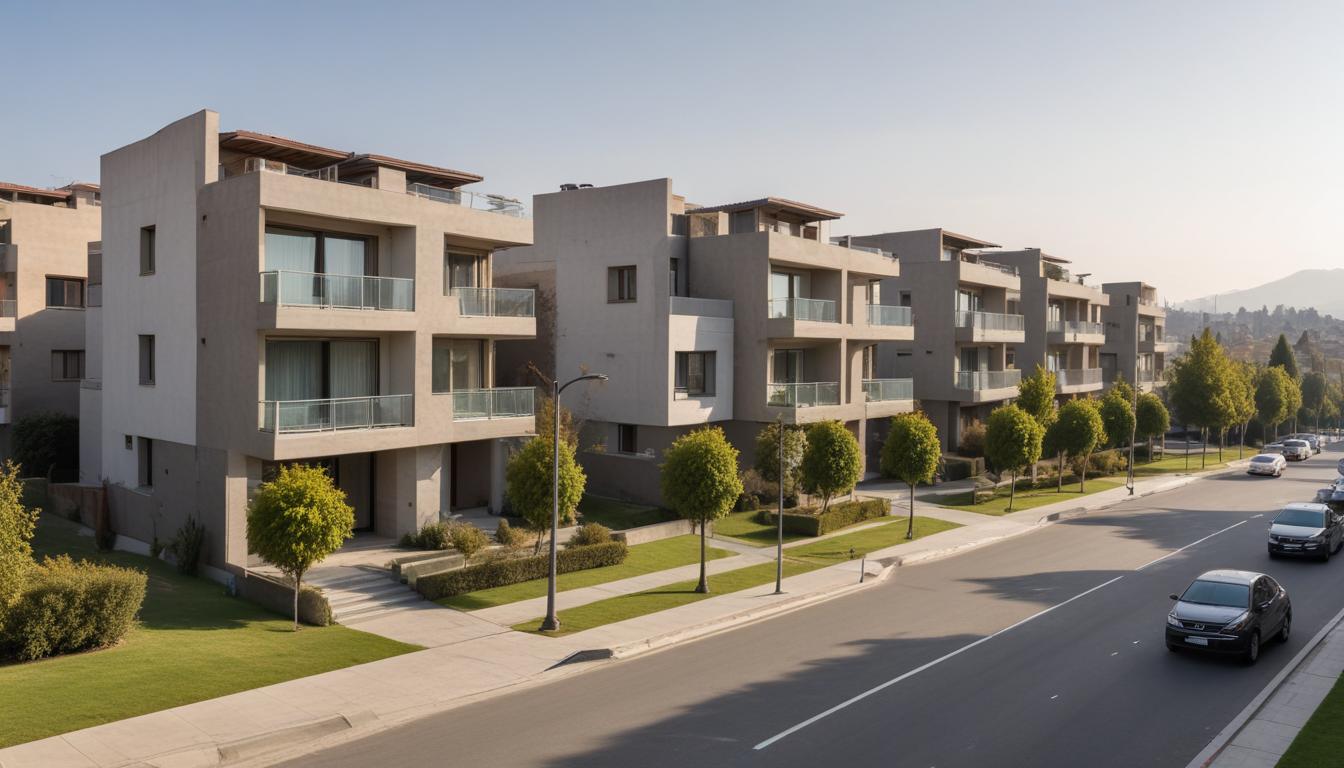
Santiago's rental landscape is undergoing a significant transformation. As of mid-2026, vacancy rates across the capital's core neighbourhoods hover between 8–12%, a notable shift from the sub-5% scarcity that defined 2023–24. The catalyst? A wave of new residential developments now entering their lease phase, fundamentally reshaping where renters can afford to live and what they expect from their neighbourhoods.
In Providencia, once the domain of young professionals seeking proximity to Parque Metropolitano and the bars along Avenida Providencia, new mid-rise projects near Plaza Italia are introducing units in the CLP 900K–1.3M monthly range. This represents a 15–20% premium over comparable older stock, yet developers are reporting steady leasing. The influx is creating competition among landlords for the first time in years, pushing some traditional property holders to refresh amenities and lower asking prices to remain competitive.
Ñuñoa's story is more dramatic. The neighbourhood, historically popular with families and students, is experiencing a construction boom centred around Avenida Irarrázaval and the vicinity of Universidad Católica. Three major projects have delivered over 400 units since early 2026, bringing vacancy closer to 10%. For tenants, this translates to negotiating power—and for the neighbourhood, questions about density and infrastructure strain on schools and transport.
The growth story extends to Maipú and Quilicura, where affordability-focused developments are attracting renters priced out of traditional central areas. Projects here are targeting monthly rents of CLP 600K–850K, expanding rental access for middle-income families. Local property agents report strong interest from families relocating from the east side, seeking value without sacrificing urban connectivity.
Las Condes and Vitacura remain premium markets, where new luxury developments have actually tightened availability further—these projects are pitched at high-earning expats and Chilean executives, not middle-market renters. Foreign buyer interest in these enclaves continues to absorb premium stock.
For tenants navigating this shifting market, the message is clear: timing matters. New developments often offer short-term incentives—reduced deposits, flexible lease terms, included utilities—as they race to fill units. However, this opportunity window narrows as occupancy rates normalise. Prospective renters should also factor in neighbourhood trajectory: areas like Providencia and Ñuñoa are seeing rapid densification, which can affect livability, parking, and local services.
For property investors and landlords, the competitive pressure is real. Those holding older stock in high-growth zones may face downward pressure on rents unless they invest in upgrades. The rental market's shift from landlord-favourable to tenant-favourable, though modest by global standards, signals maturation in Santiago's residential sector—and opportunity for informed decision-makers.
This article was compiled by AI from the sources linked above and screened before publishing. See our editorial standards.