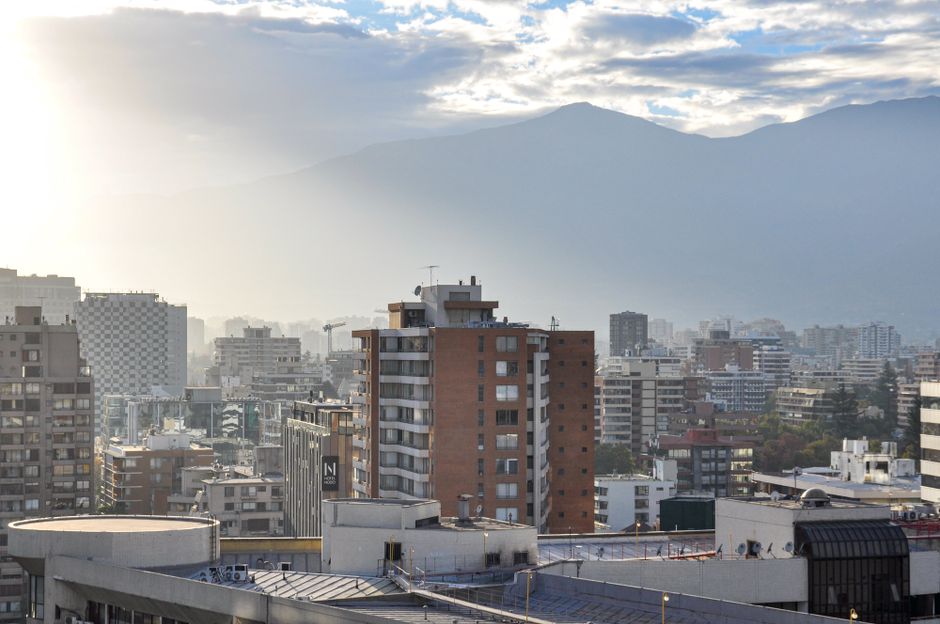
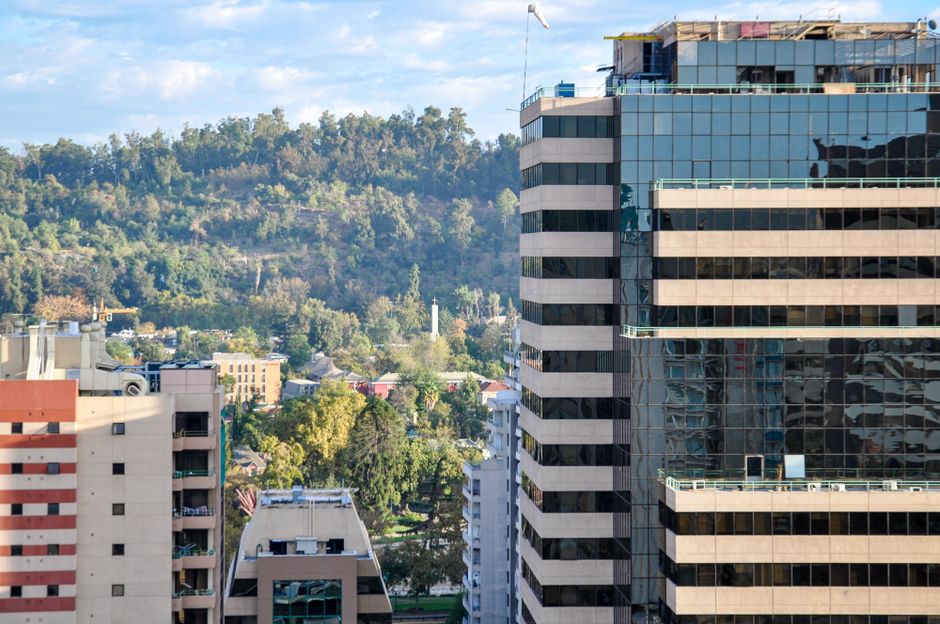
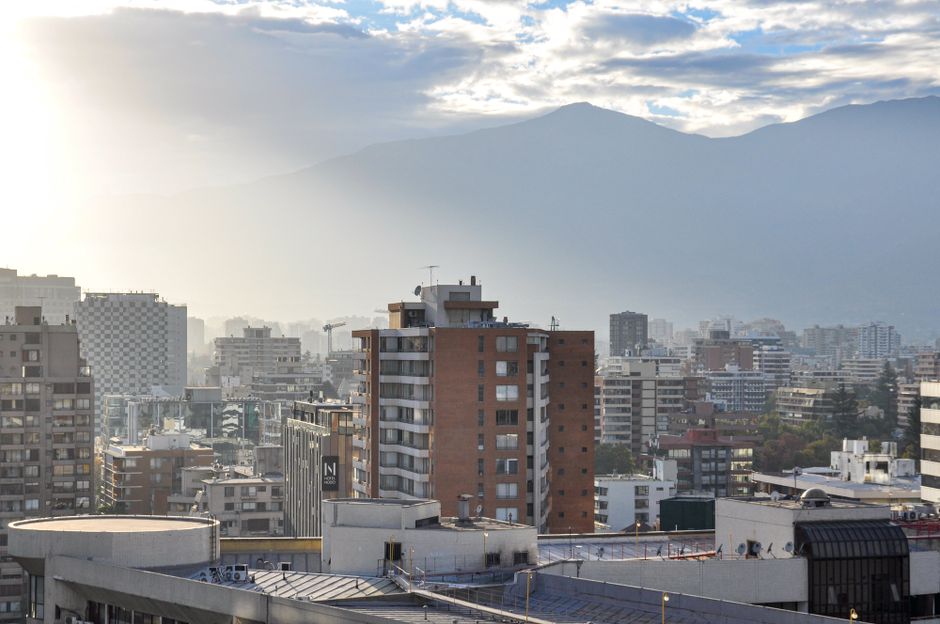
For years, Santiago's property conversation centred on Las Condes penthouses and Vitacura's manicured estates. But something quieter—and arguably more significant—is unfolding in Ñuñoa, where a convergence of demographic shifts, infrastructure investment and comparative affordability is quietly reshaping the city's investment landscape.
Properties in Ñuñoa now trade at an average of CLP 72–78M, a meaningful 10–15% discount to the city-wide average of CLP 85M, yet the neighbourhood's fundamentals tell a different story than budget bins suggest. The corridor around Avenida Pio Nono—once overlooked—has seen consistent price appreciation of 6–8% annually over the past three years, outpacing broader market gains. Walk Calle Manuel Rodríguez or venture toward Parque Forestal's eastern edge, and you encounter independent galleries, artisan cafés, and the kind of street-level energy that premium neighbourhoods spend millions trying to manufacture.
What's driving this shift? Partly, it's demographic ruthlessness. As entry prices in adjacent Providencia inch toward the CLP 95M threshold, younger professionals and small families are finding Ñuñoa's mid-range stock—particularly renovated 1970s–1990s units and small houses near Parque Los Reyes—suddenly viable. But there's more infrastructure oxygen here than mere affordability suggests. The neighbourhood sits minutes from the Parque Bustamante metro interchange, and the planned extension of the Línea 3 extension promises improved eastern connectivity. Institutional players have noticed: foreign investment inquiries for Ñuñoa properties climbed 34% year-on-year through 2025, according to local real estate tracking.
The rental yield picture is equally compelling. A modest two-bedroom apartment purchased for CLP 75M commands monthly rents of CLP 1.2–1.4M—a 1.9–2.2% gross yield—attractive relative to downtown Santiago's compressed margins. Educational proximity matters too: proximity to Universidad de Chile's campus and Instituto Nacional draws families seeking neighbourhood character without Ñuñoa's western cousin Providencia's price premium.
Perhaps most telling is where money moves quietly. Developer activity in Ñuñoa—new construction and renovation permits—has surged 42% since mid-2024, with projects concentrated along Avenida Pio Nono and deeper into the barrio's residential pockets. These aren't speculative quick-flips; they're longer-cycle investments by players betting the neighbourhood's combination of livability, transit prospects and valuation spread will compress as the broader market matures.
For investors watching Las Condes and Vitacura ceiling out, Ñuñoa presents a neighbourhood where fundamentals still precede prices—a rarity in today's Santiago.
This article was compiled by AI from the sources linked above and screened before publishing. See our editorial standards.