Santiago's ultra-luxury property sector is operating in a parallel universe from the broader market. While the city's median apartment price hovers around CLP 85 million, penthouses in Las Condes now regularly exceed CLP 200 million—and demand shows no signs of cooling.
The primary catalyst is clear: foreign capital inflow. Over the past eighteen months, acquisitions by international buyers in premium neighbourhoods have surged nearly 35%, driven by wealthy families from neighbouring countries seeking stable assets outside their home markets. Colombia's economic volatility and Peru's political uncertainty have particularly channelled capital toward Chile's perceived stability. Real estate agents report an uptick in cash purchases from Bogotá and Lima-based executives acquiring trophy properties along Avenida Las Condes and in the surrounding Vitacura enclave.
But it's not just geopolitical arbitrage. Domestic ultrahigh-net-worth individuals—particularly those with mining, finance, and export sector wealth—are competing aggressively for limited supply. The scarcity of premium land near Parque Araucano and along the Mapocho riverside has become acute. When a property does list in the top tier, multiple offers materialise within weeks.
Currency movements have also played a subtle but significant role. The Chilean peso's relative strength against regional currencies has made Santiago properties attractive for cross-border buyers timing their purchases strategically. Meanwhile, local investors recognise that ultra-premium real estate functions as a hedge against inflation—historically outpacing traditional financial instruments.
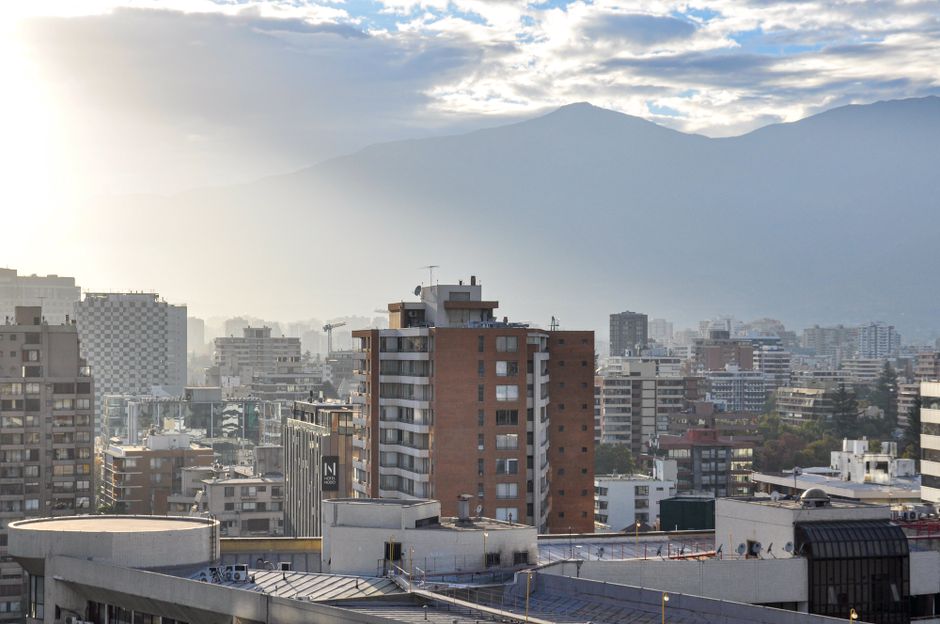
What should sophisticated buyers understand now? First, location precision matters intensely. Vitacura's east-facing properties commanding views toward the Andes command premiums of 15–20% over comparable western-facing units. Second, building pedigree has become quasi-essential; developments by established firms with heritage in the sector trade at measurable premiums over newer competitors. Third, the permitting environment is tightening. New regulations around density and heritage preservation in Las Condes are expected to curtail future supply, making current stock increasingly valuable.
For investors, the advisory consensus is cautious optimism. Rental yields on ultra-luxury properties remain modest—typically 2–3% annually—so this market rewards long-term capital appreciation and lifestyle utility over cash flow. Buyers chasing yields might find better returns in Providencia or Ñuñoa, where yield-conscious domestic investors are competing.
The high-end Santiago market remains fundamentally sound, supported by genuine scarcity and stable political institutions. But momentum cannot persist indefinitely. Savvy purchasers should act with conviction now, but also with clarity about what they're truly buying: geography, stability, and perceived permanence in a region hungry for all three.
This article was compiled by AI from the sources linked above and screened before publishing. See our editorial standards.