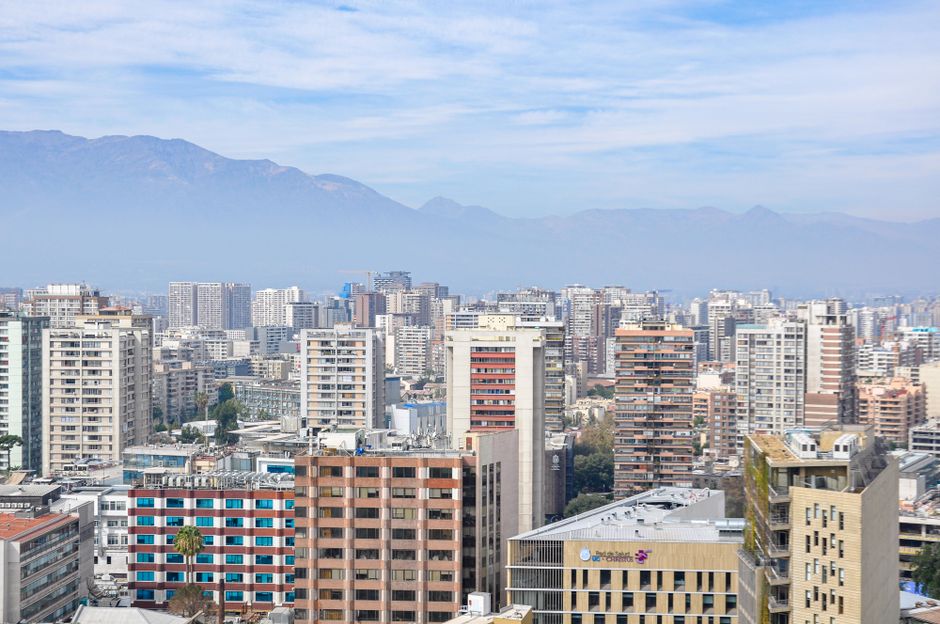
The construction cranes dotting Santiago's skyline tell a story that's reshaping the city's rental landscape in unexpected ways. With hundreds of new residential projects approved across Providencia, Ñuñoa, and even Maipú over the past 18 months, the rental market is experiencing a fundamental shift—one that's challenging the traditional power dynamics between landlords and tenants.
This surge in new approvals comes as the average rental price in central Santiago has stabilised around CLP 1.2 million monthly for a two-bedroom apartment, a plateau that reflects growing supply pressure. In premium neighbourhoods like Las Condes and Vitacura, where developments cluster around Avenida Apoquindo and Avenida El Bosque, landlords report longer vacancy periods than at any point in the past decade. Properties that once leased within weeks now sit empty for 45-60 days, forcing owners to either reduce asking prices or upgrade amenities.
The impact is most pronounced in traditionally competitive rental zones. Providencia, long dominated by institutional investors seeking stable returns, now sees landlords offering furnished options and flexible lease terms—concessions virtually unheard of three years ago. Similarly, the emerging growth corridors of Maipú and Quilicura, saturated with new mid-range developments targeting young professionals and families, have become tenant-friendly markets where rental negotiations favour renters seeking better value.
For tenants, the shift is tangible. First-time renters in Ñuñoa report successfully negotiating three-month trial periods and maintenance inclusion in leases—hardline demands that previously guaranteed lease rejection. The foreign buyer market, increasingly visible in east-side developments, has inadvertently accelerated supply, as some international purchasers view rental income as secondary to appreciation prospects.
However, this construction-driven rebalancing masks deeper anxieties. Property owners managing aging stock in secondary neighbourhoods face difficult choices: renovate at considerable expense or accept lower rents. The Inmobiliario association has flagged concerns that sustained oversupply could discourage new development investment, creating a future shortage problem. Some developers are already pivoting toward mixed-use projects incorporating commercial and co-working spaces, betting that traditional residential-only developments face margin compression.
The rental market's cooling reflects broader market dynamics playing out across multiple fronts. While new construction approval rates remain robust—particularly along the Metro expansion corridors through Maipú—the rental sector's pronounced shift suggests the city's residential boom may be reaching a natural calibration point.
For now, renters are writing a rare chapter in Santiago's property story: one where they hold the pen.
This article was compiled by AI from the sources linked above and screened before publishing. See our editorial standards.