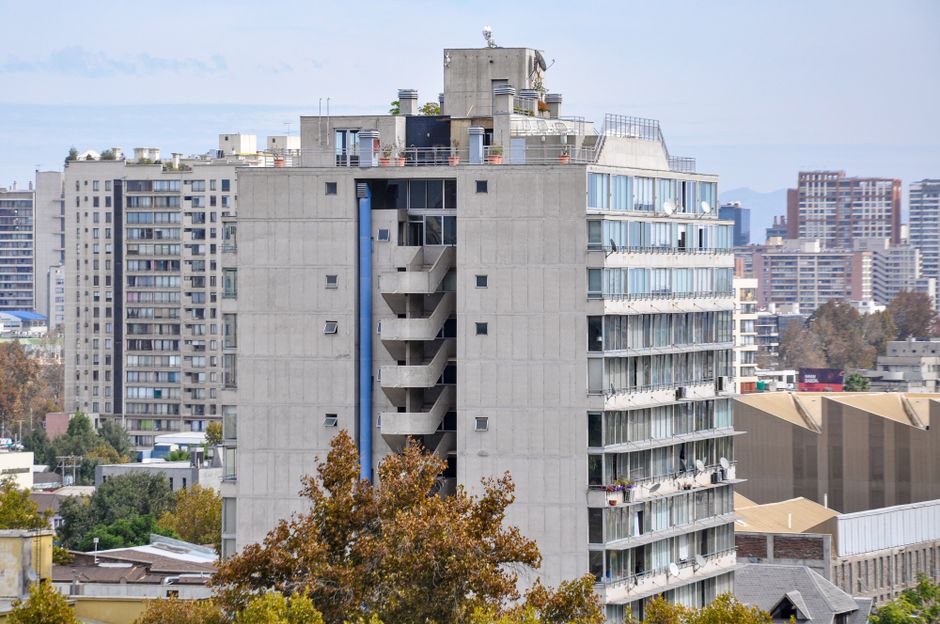
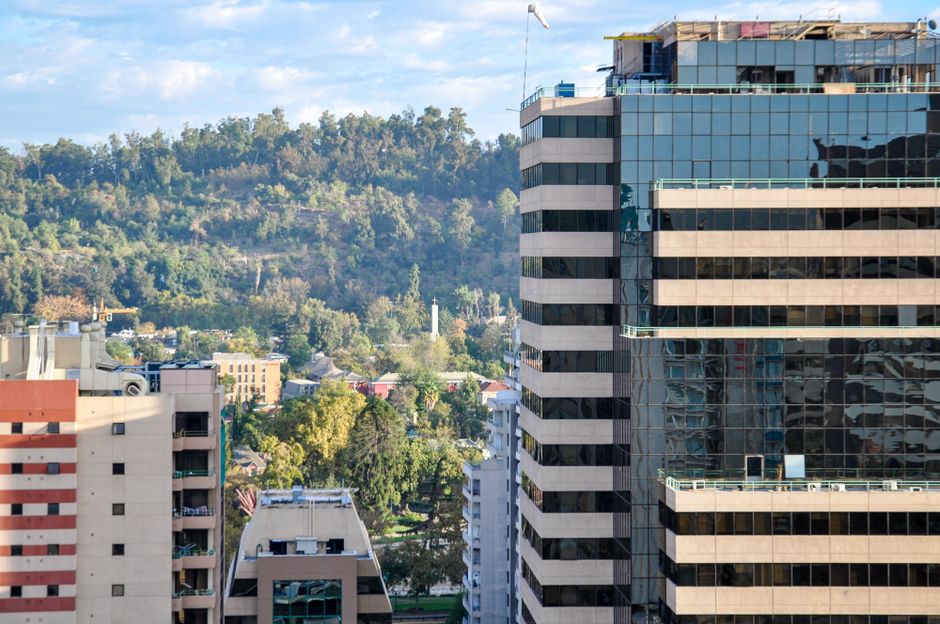
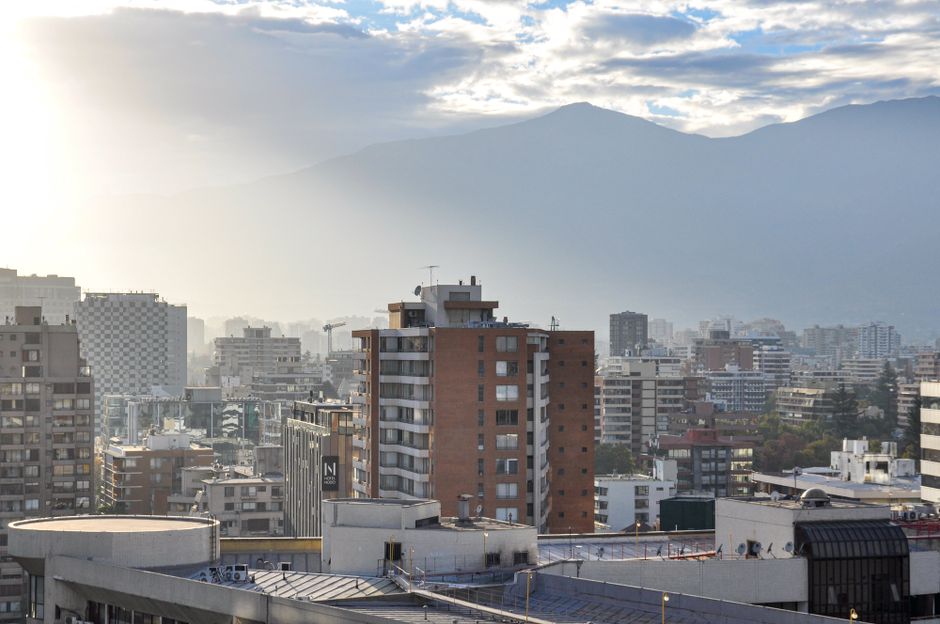
Santiago's rental market is undergoing its most turbulent shift in five years, with construction approvals for new residential developments soaring across multiple neighbourhoods and creating a fundamental power imbalance between landlords and tenants.
Data from Chile's property regulator shows apartment construction permits in the Maipu and Quilicura districts jumped 34% in the first half of 2026 compared to the same period last year. Meanwhile, Providencia—traditionally the city's most sought-after middle-market neighbourhood—is absorbing over 2,800 new units annually, flooding a rental sector that was already cooling.
"We're seeing a completely different negotiating environment," explains a spokesperson from Santiago's property management association, speaking on condition of anonymity. "Two years ago, landlords could demand CLP 1.2 million for a two-bedroom in Providencia. Today, they're struggling to fill units at CLP 950,000. The supply has overwhelmed demand."
The construction boom reflects years of approval acceleration along the Alameda and key arterial corridors, where developers have assembled land parcels for mixed-use projects. Las Condes and Vitacura continue attracting premium developments targeting foreign buyers and wealthy locals, but the real volume is occurring in middle-income zones where density regulations were relaxed in 2024.
For tenants, lower nominal rents sound positive—but the conditions attached tell a different story. New lease agreements increasingly demand longer commitments (36 months minimum versus the traditional 24), larger deposits (equivalent to three months' rent versus two), and proof of income three times the rental amount. These requirements effectively lock out younger renters and those with irregular employment, even as advertised rates drop.
Landlords, meanwhile, face margin compression. Operating costs have climbed 18% since 2024 as maintenance, property taxes, and building insurance have surged. A modest apartment in Nunoa generating CLP 900,000 monthly rent must now cover expenses that leave owners with razor-thin returns—especially those who purchased units speculatively between 2022 and 2024 at the market's peak.
The Cámara Chilena de la Construcción projects another 12,000 residential units will complete delivery across Santiago's metropolitan area by year-end. Until supply and demand rebalance, expect continued downward pressure on rents, particularly in the Providencia-Nunoa corridor where new developments have reached saturation.
The real test arrives in 2027, when economic conditions will determine whether these thousands of new units attract sufficient demand or sit half-occupied, reshaping both landlord profitability and tenant accessibility across the capital.
This article was compiled by AI from the sources linked above and screened before publishing. See our editorial standards.