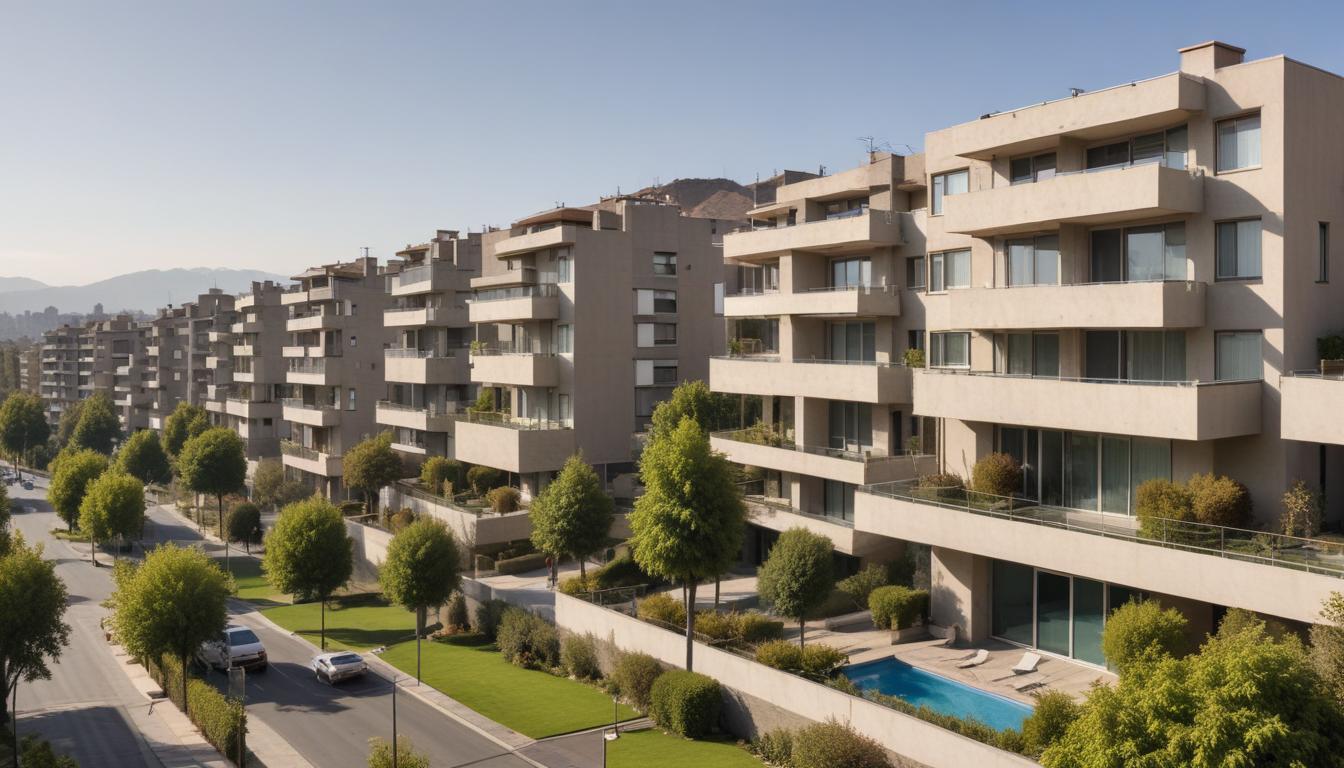
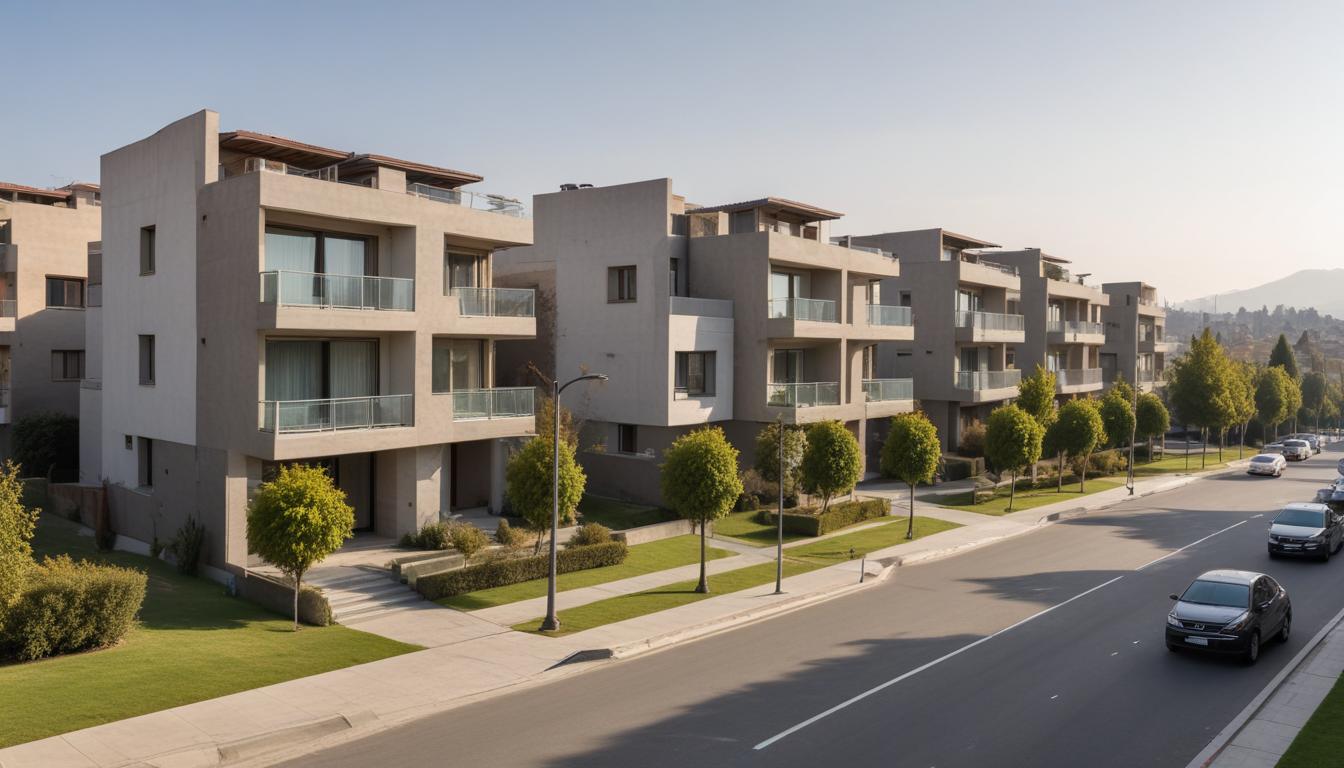
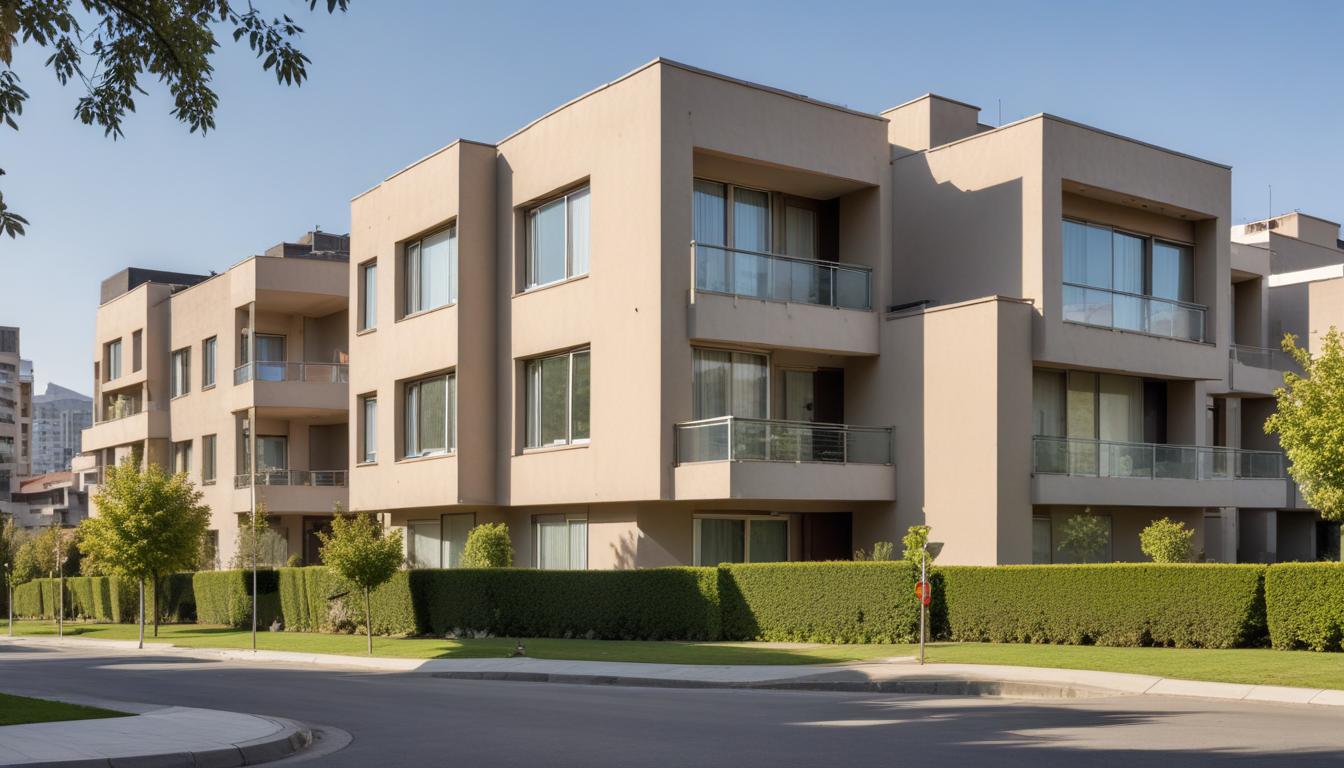
Santiago's luxury rental market has entered a phase of acute tension. While premium properties in Las Condes and Vitacura command monthly rents between CLP 3.5M and 7M for three-bedroom apartments, landlords increasingly struggle with operational costs that have risen 18% year-on-year, leaving many questioning whether current market rates justify the investment.
The squeeze affects both sides of the transaction. Affluent renters—expatriate executives, diplomatic families, and high-net-worth individuals—face a paradox: abundant choice in the ultra-premium segment above CLP 6M monthly, but acute scarcity in the mid-to-upper range of CLP 2.5M to 4M. Properties along Avenida Andrés Bello and within the exclusive gated communities near Parque Arauco remain in demand, yet landlords report longer vacancy periods than five years ago, forcing creative pricing strategies and property condition upgrades to attract tenants.
Maintenance expenses tell the real story. Climate control systems, water treatment infrastructure, and security services in properties across Providencia and Ñuñoa have become significantly costlier. Several property management firms report that owners of mid-range luxury apartments are deferring renovations or absorbing cost increases rather than raising rents further—a gamble that reflects market saturation concerns. The foreign buyer influx, while boosting property valuations to average CLP 85M in central locations, has paradoxically increased the rental supply, tightening yields for traditional landlords.
Tenant protections have also shifted leverage. New rental legislation requiring transparent deposit structures and stricter lease conditions—particularly relevant in upscale neighbourhoods like Vitacura—has forced landlords toward longer-term agreements to ensure stability. However, many high-income renters now demand flexibility: shorter contracts aligned with international postings, furnished options, and bundled service packages.
Real estate agents operating from Las Condes report a bifurcated market. Premium properties near the financial district command premiums, while comparable units two kilometres away attract modest discounts. This geographic sensitivity reflects tenant preferences for proximity to offices, international schools, and cultural venues like the Museo de Arte Contemporáneo or restaurants clustered around Nueva York Avenue.
The rental market's tightening has sparked institutional investor interest. Chilean pension funds and foreign capital firms increasingly view luxury residential portfolios as stable alternatives to office space. This professionalization is reshaping the landlord demographic, replacing individual owners with entities prioritizing long-term yield over rapid appreciation.
For both tenants and landlords, the message is clear: Santiago's luxury market is normalizing after years of appreciation-driven momentum, requiring sophisticated asset management and realistic expectations.
This article was compiled by AI from the sources linked above and screened before publishing. See our editorial standards.