New Build, New Rules: A First-Time Buyer's Guide to Santiago's Development Boom
With construction approvals accelerating across the capital, understanding pre-sale mechanics and neighbourhood zoning is now essential for entering the market.
With construction approvals accelerating across the capital, understanding pre-sale mechanics and neighbourhood zoning is now essential for entering the market.
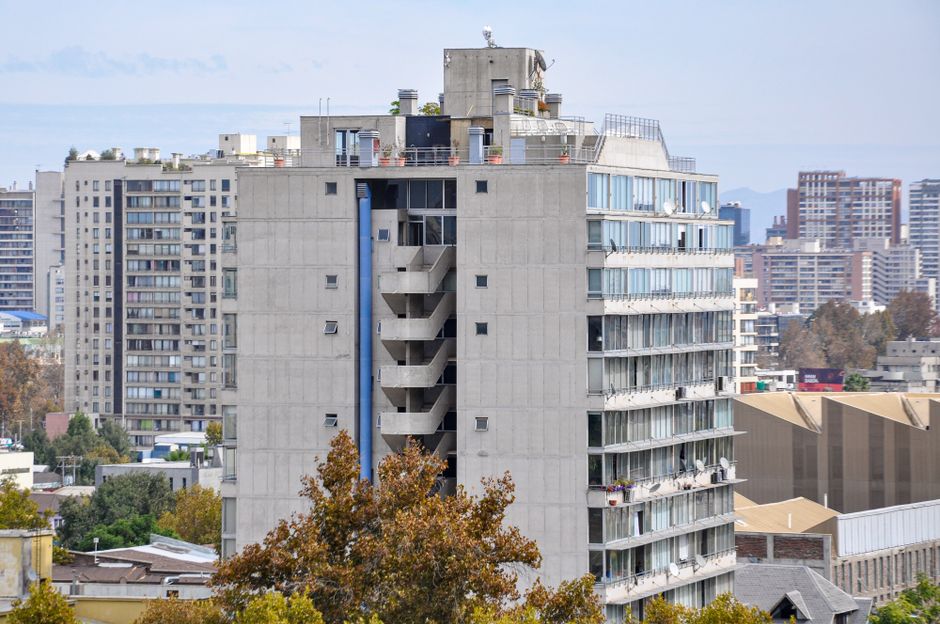
Santiago's property landscape is transforming faster than many first-time buyers realise. The city's average price point of CLP 85 million masks a critical reality: knowing where developments are happening—and why—can mean the difference between a sound investment and buyer's remorse.
The construction approval pipeline tells a revealing story. Across traditionally affordable zones like Maipú and Quilicura, new residential towers are reshaping skylines. These growth corridors now attract both owner-occupiers and investors seeking better value than Las Condes or Vitacura's premium neighbourhoods, where supply remains tightly controlled. For first-timers, this democratisation of opportunity is significant: a two-bedroom pre-sale in Quilicura's emerging developments currently ranges from CLP 45–65 million, compared to CLP 120+ million in Vitacura.
But navigating approvals requires homework. Start by consulting Santiago's municipal planning offices—each comuna handles zoning differently. Providencia and Ñuoa, popular with younger buyers, have strict heritage overlays; developments there often take longer to approve but command premium resale value. Maipú's rapid growth reflects looser restrictions, meaning faster construction timelines but more variable neighbourhood character.
Pre-sale purchases demand particular caution. Request the developer's timeline formally in writing; approval delays are common, and many first-timers underestimate carrying costs. Verify that the project has secured its key permits—not just initial approval, but final construction clearance. The Southern Access Highway expansion near Quilicura, for instance, has expedited approvals for nearby residential zones, but only projects with confirmed routing documentation should be trusted.
Location strategy matters enormously. Investigate not just the development itself, but surrounding approvals. New retail or transport infrastructure significantly impacts resale potential. The extension of Metro Line 3 considerations, while not imminent, have already influenced investor behaviour in peripheral communes.
For first-timers, three practical steps: one, engage a property lawyer familiar with development law—this costs roughly CLP 2–3 million but protects against regulatory pitfalls. Two, cross-reference any development with the Servicio de Impuestos Internos records and the relevant municipality's public approval register. Three, stress-test the investment against a 15% price correction; if the numbers still work, you're likely making a rational decision rather than chasing momentum.
Santiago's construction boom is real, but approval processes remain opaque. First-time buyers who decode them gain genuine competitive advantage in an increasingly crowded market.
This article was compiled by AI from the sources linked above and screened before publishing. See our editorial standards.
How does this story make you feel?
Spread the word
About this article
Published by The Daily Santiago
Daily brief
Free, in your inbox before 7am. Weekdays.
More in Property