Property Investment Ñuñoa Santiago: 18% Growth
Ñuñoa real estate outpaces Santiago rivals with 18% annual growth. Discover why young professionals and investors are choosing this neighborhood over Las Condes.
Ñuñoa real estate outpaces Santiago rivals with 18% annual growth. Discover why young professionals and investors are choosing this neighborhood over Las Condes.
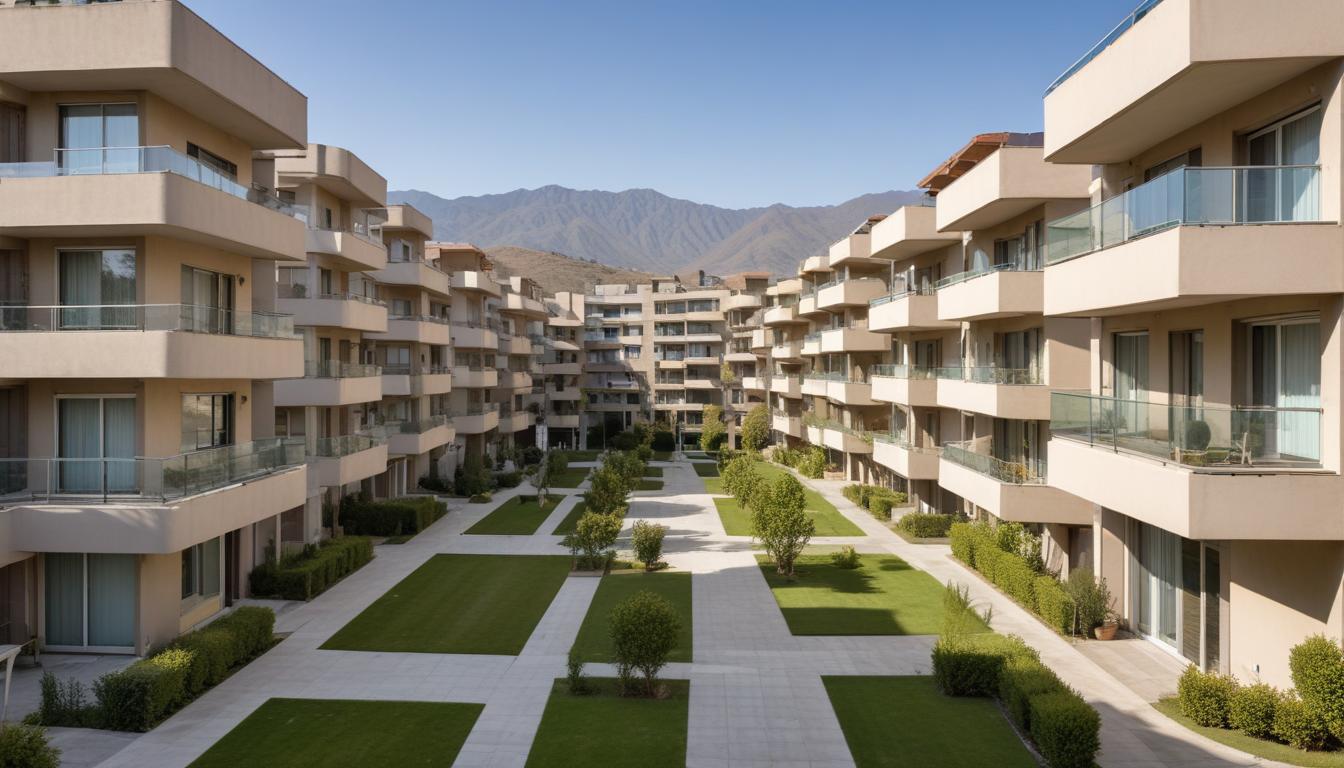
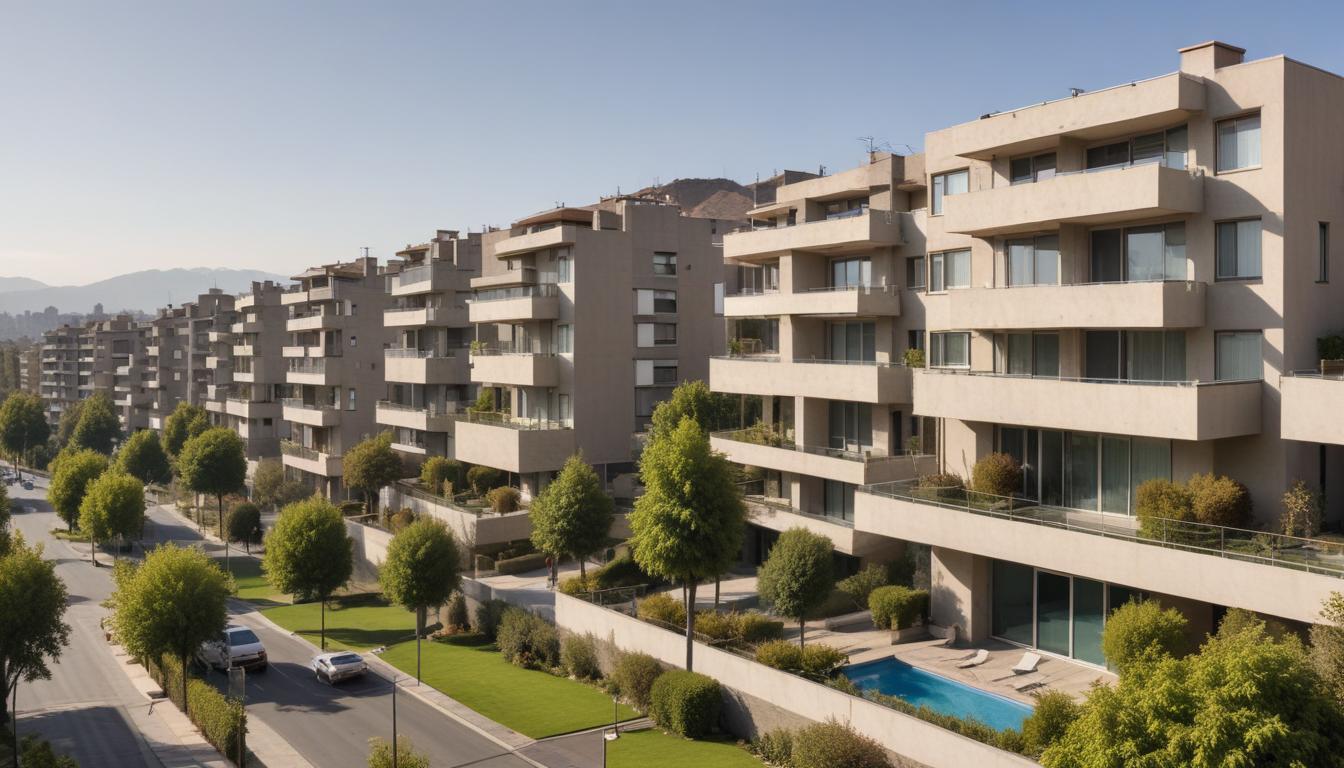
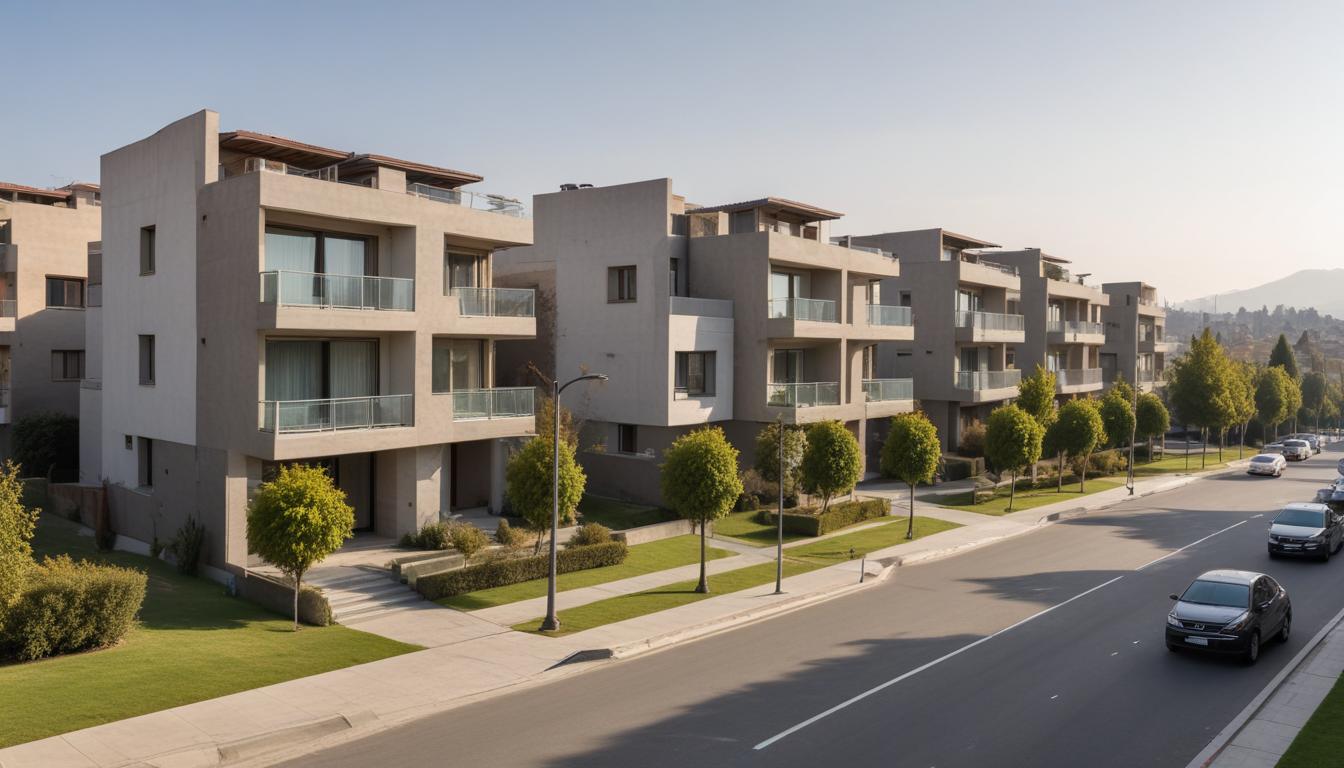
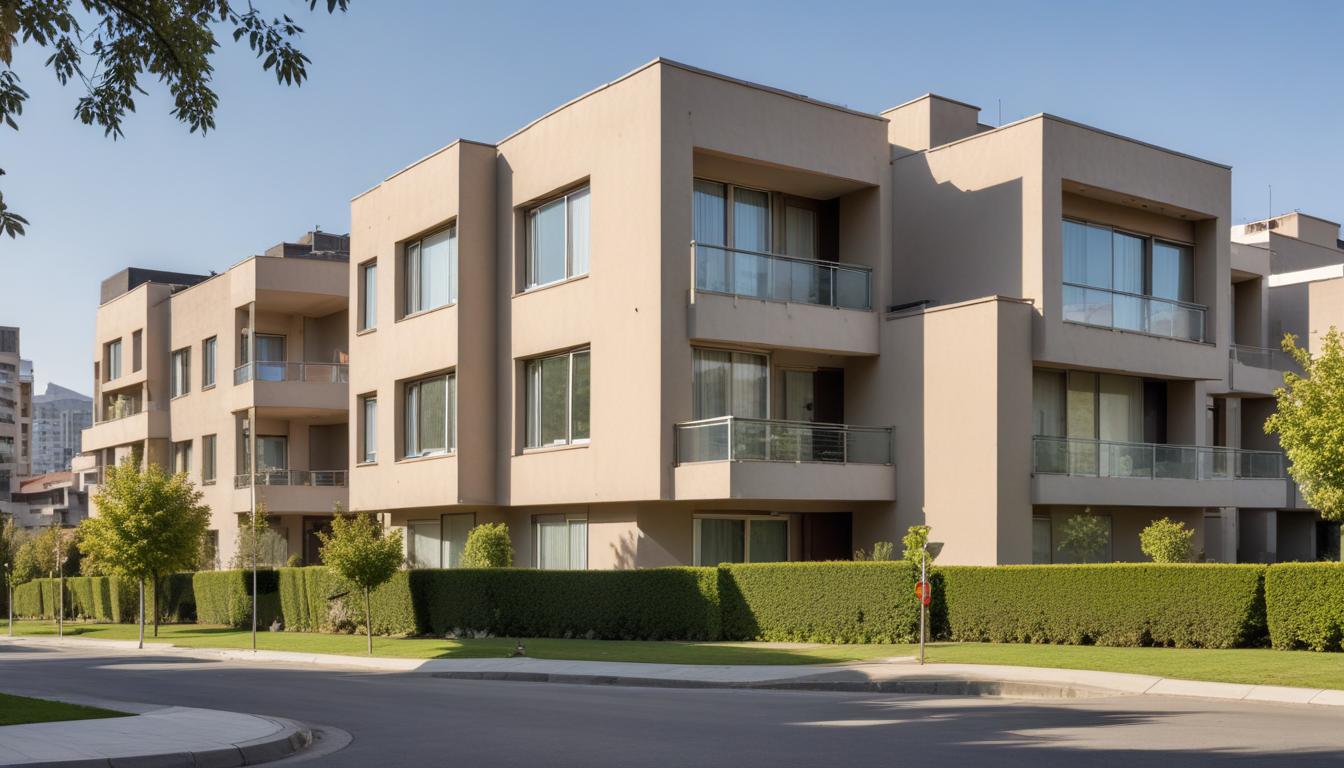
While Las Condes and Vitacura continue to dominate Santiago's luxury property conversation, a quieter revolution is unfolding in Ñuñoa, where shrewd investors are positioning themselves ahead of what market analysts increasingly see as the city's most compelling mid-range opportunity.
Just two years ago, Ñuñoa lived comfortably in Providencia's shadow—familiar, safe, but not particularly exciting to property buyers with capital to deploy. Today, that narrative has shifted dramatically. Average property values in the neighbourhood have climbed to approximately CLP 72 million, representing an 18% year-on-year increase that outpaces the Santiago metropolitan average of CLP 85 million. For investors, the mathematics are compelling: significant upside potential without the stratospheric entry costs of Las Condes.
The neighbourhood's transformation reflects deeper demographic currents. The opening of the Costanera Center extension along Avenida Américo Vespucio, coupled with ongoing metro connectivity improvements and the arrival of boutique dining and cultural venues around Parque Balmaceda, has created a gravitational pull for young professionals and growing families. Local real estate agents report that three-bedroom apartments in the CLP 60–75 million range—particularly those within walking distance of Avenida España or near the recently revitalised Paseo Huérfanos corridor—are moving within 45 days of listing, a dramatic acceleration from five-year averages.
What distinguishes Ñuñoa from its gentrification peers is authenticity. Unlike some neighbourhoods reshaped entirely by developer speculation, Ñuñoa retains its residential character while upgrading its infrastructure. The presence of established institutions—Universidad de Chile's campus, Hospital Clínico, and the iconic Parque Metropolitano access point—provides stable, long-term demand anchors that foreign buyers increasingly value.
International interest has also accelerated. Property brokers estimate that foreign nationals now account for 12–15% of recent acquisitions in Ñuñoa, up from roughly 6% in 2023. Many cite affordability relative to Providencia, coupled with superior urban amenities and public transit access compared to outer-ring growth zones like Maipú and Quilicura.
For investors evaluating entry points, Ñuñoa presents an asymmetric opportunity: not yet peaked in value appreciation, yet increasingly difficult to acquire at pre-boom prices. Within 12–18 months, analysts suggest, comparison metrics with Providencia may narrow further, potentially erasing the current discount entirely.
The consensus among Santiago's most active investment firms is clear: Ñuñoa's window for meaningful value capture remains open—but not for much longer.
This article was compiled by AI from the sources linked above and screened before publishing. See our editorial standards.
How does this story make you feel?
Spread the word
About this article
Published by The Daily Santiago
Daily brief
Free, in your inbox before 7am. Weekdays.
More in Property