Santiago Metro Expansion Stalls as Officials Debate $2.1B Crisis
Transport authorities and urban planners clash over timeline to tackle congestion costing the city billions annually.
Transport authorities and urban planners clash over timeline to tackle congestion costing the city billions annually.
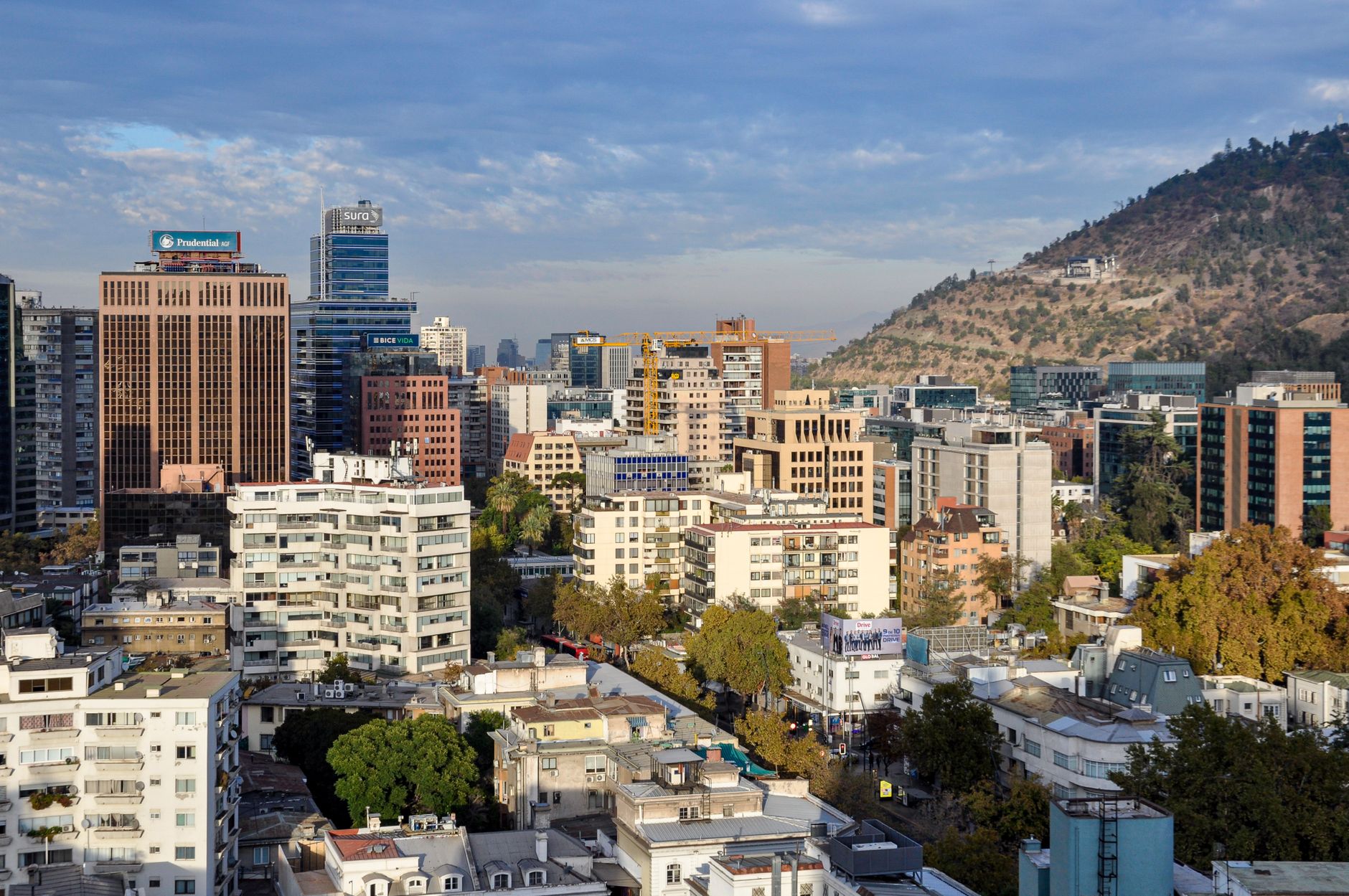
Santiago's public transport debate has reached a critical juncture, with municipal officials, transit experts and community leaders presenting competing timelines and priorities for addressing gridlock that has paralysed commuters across the metropolitan area.
The Metropolitan Transport Authority released projections last month suggesting the proposed Line 7 extension through Ñuñoa and La Florida could begin operations by 2029, but urban mobility researchers at the Universidad de Chile challenged the feasibility of that schedule. Dr. Felipe Morales, head of the university's transport systems lab, told reporters the authority had underestimated construction complexities in densely populated corridors and warned that delays could push completion to 2031.
Meanwhile, community organisations representing residents in these neighbourhoods have introduced their own concerns. The Ñuñoa Neighbourhood Council presented alternative routing proposals at last week's municipal assembly, arguing that the current plan would displace approximately 340 families and damage heritage properties along Avenida Ñuñoa. "We're not against expansion," council president Carla Espinoza stated at the meeting, "but the city must engage us before final decisions, not after."
Transport Minister Andrés Pavez defended the authority's timeline, citing advances in tunnelling technology and secured federal funding of 1.8 trillion pesos. However, he acknowledged that rising construction material costs—up 23 percent since 2024—could strain the budget. The minister framed expansion as essential, noting that current Metro usage has surged to 2.4 million daily trips, straining existing capacity by approximately 18 percent.
The debate extends beyond infrastructure. Housing advocates argue that improved transit access could help address Santiago's affordability crisis by opening up peripheral neighbourhoods with lower property values. Yet economists warn that rapid transit development historically triggers gentrification, potentially displacing the very populations intended to benefit.
The municipal government has scheduled a public consultation period through September, inviting input on routes, station placements and community mitigation measures. City officials stress that decisions will reflect multiple stakeholder perspectives, though implementation challenges remain substantial.
Experts suggest the broader issue reflects Santiago's struggle to balance rapid urbanisation with inclusive planning—a challenge increasingly common among global megacities managing decades of deferred infrastructure investment alongside competing visions for equitable growth.
This article was compiled by AI and screened before publishing. See our editorial standards.
How does this story make you feel?
Spread the word
About this article
Published by The Daily Santiago
Daily brief
Free, in your inbox before 7am. Weekdays.
More in News


