From Neighbourhoods to National Pride: How Santiago's Grassroots Runners Built a Movement
Community-led clubs transforming overlooked barrios into hubs of endurance sport—and changing how the city thinks about fitness.
Community-led clubs transforming overlooked barrios into hubs of endurance sport—and changing how the city thinks about fitness.
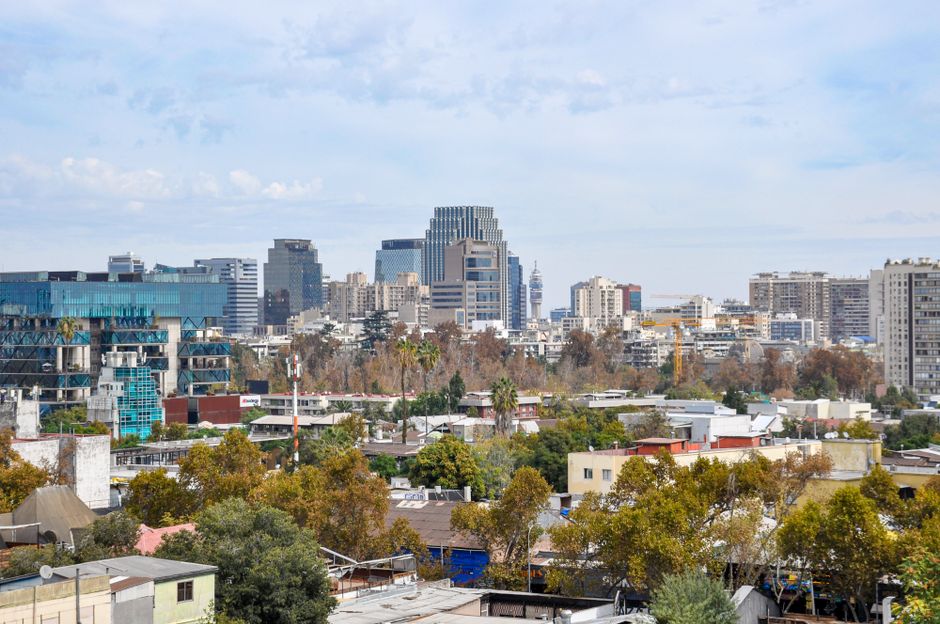
On Tuesday mornings, before dawn breaks over the Mapocho River, nearly 150 runners gather at Plaza Baquedano for what has become Santiago's most vibrant grassroots ritual. Ten years ago, the idea that working-class neighbourhoods would spawn a thriving endurance movement seemed improbable. Today, it's undeniable.
The transformation traces back to 2018, when a handful of residents in La Florida began organising informal 5-kilometre runs through their streets. What started with seven people now involves over 3,000 active participants across the metropolitan area, many of whom have never set foot in a commercial gym. The movement has since expanded to include cycling collectives in Ñuñoa and triathlon clubs emerging in Puente Alto—traditionally underserved communities where sports infrastructure remains sparse.
"We didn't have fancy equipment or sponsors," explains one organiser from the Ciclos del Sur cycling group, which now maintains a workshop on Avenida Concha y Toro where members can repair bikes for 8,000 pesos per session. "We had streets, commitment, and each other." The collective has trained over 400 cyclists since launching in 2021, many competing in regional events for the first time in their lives.
The economic impact extends beyond participation fees. Community organisers estimate that grassroots running clubs now drive approximately 12 million pesos monthly through local cafés, sports nutrition shops, and gear retailers in neighbourhoods previously overlooked by the mainstream fitness industry. Several participants have transitioned to employment as running coaches or cycling mechanics, creating sustainable local jobs.
Official recognition arrived last year when the Municipalidad de Santiago partnered with three major neighbourhood groups to formalise training pathways and secure permits for weekend races through central districts. The agreement removed bureaucratic barriers that had constrained growth, while establishing safety standards for growing event calendars.
Yet challenges persist. Access remains unequal—entry fees for municipal-backed races average 15,000 pesos, prohibitive for many. Equipment costs favour wealthier participants. And infrastructure gaps mean training routes often cut through high-traffic zones on Avenida Libertador Bernardo O'Higgins.
Despite these obstacles, the movement's resilience is evident. This Saturday, over 2,000 runners will participate in the Circuito Popular de Endurance, a grassroots-organised marathon connecting five neighbourhoods. No corporate branding. No premium entry tiers. Just Santiago residents proving that community sport thrives when built from within, by neighbours for neighbours.
This article was compiled by AI from the sources linked above and screened before publishing. See our editorial standards.
How does this story make you feel?
Spread the word
About this article
Published by The Daily Santiago
Daily brief
Free, in your inbox before 7am. Weekdays.
More in Sport