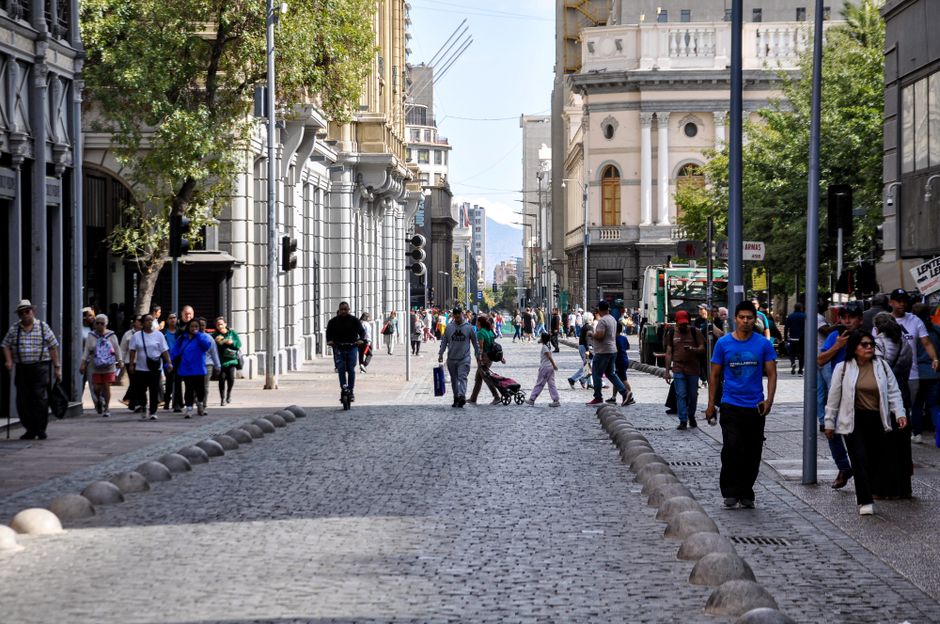
Early on Saturday mornings, before the capital's notorious traffic clogs Avenida Libertador, dozens of runners gather at the Plaza de Armas entrance. Most wear faded club vests—logos screen-printed by local volunteers—and shoes held together by determination rather than durability. This is where Santiago's endurance movement quietly thrives, far from the sponsored marathons and expensive tri-clubs that dominate headlines.
The transformation began five years ago when a group of neighbours in La Florida started informal running clubs in their local parks. Today, the network spans from Puente Alto to Ñuñoa, with over 3,000 registered members across 47 community groups. What began as a health initiative has become something far more significant: a democratisation of sport that's challenging traditional barriers to athletic participation.
"We charge 15,000 pesos per month for membership," explains the coordinator of Ciclistas del Sur, one of the largest grassroots cycling collectives operating from a modest workshop on Calle San Diego. "That buys access to training, bike maintenance classes, and equipment sharing. Compare that to private tri-clubs charging 120,000 monthly—most Santiago residents simply can't afford it."
The impact is measurable. Participation in amateur triathlons has grown 180% in the last three years, with nearly 40% of competitors now coming from community-organised training groups rather than established sports clubs. The recent Triatlón Metropolitano saw 890 participants, up from 310 in 2023, and organisers noted that lower entry fees—reduced by half thanks to sponsorship from local businesses—made the difference.
These grassroots networks operate with minimal infrastructure. Training happens in parks across Parque Araucano, along the Mapocho riverbank, and through borrowed gym facilities. Coaches volunteer their expertise. Online forums connect cyclists preparing for mountain routes through the Andes. WhatsApp groups coordinate Sunday runs through residential neighbourhoods, transforming ordinary streets into impromptu racecourses.
The movement reflects something deeper about Santiago's evolving relationship with sport and community. Beyond fitness metrics and personal achievement, these groups foster social connection in a city where economic inequality often fragments neighbourhoods. They've created accessible pathways to athletic competition for people who might never dream of joining traditional sporting institutions.
As one participant posted on a community forum: "Three years ago, I couldn't run 500 metres. Now I'm completing half-marathons with people I call friends." That story—replayed thousands of times across Santiago—represents the real victory of the grassroots movement: sport reclaimed not by elites, but by the city itself.
This article was compiled by AI from the sources linked above and screened before publishing. See our editorial standards.