Santiago's Youth Sport Boom: What Participation Data Reveals About Our City's Fitness Culture
New enrollment figures from grassroots clubs across the capital suggest a fundamental shift in how young Santiaguinos approach health and community sport.
New enrollment figures from grassroots clubs across the capital suggest a fundamental shift in how young Santiaguinos approach health and community sport.
The numbers tell a compelling story. Over the past eighteen months, youth participation in organised sport across Santiago's municipal clubs has surged by 31 percent, with grassroots football, volleyball, and athletics programmes reporting their highest enrolment figures in a decade. The data, compiled from district-level sports coordinators and club administrators across the metropolitan area, offers a rare window into the health habits shaping the city's next generation.
At Club Deportivo Lastarria, nestled in the neighbourhood's leafy avenues near Parque Forestal, membership among under-16s has nearly doubled. Registration fees remain modest—around 45,000 pesos monthly for full access to facilities—yet families from across the city's middle and working-class barrios are committing resources to enrolment. Similar patterns emerge in La Florida and Puente Alto, where weekend futsal tournaments now regularly attract 200-plus participants where five years ago fields stood half-empty.
The shift reflects broader cultural currents. Youth participation in structured sport now outpaces unorganised recreational activity for the first time in city records, suggesting parents increasingly view clubs as essential anchors for their children's development. Digital accessibility has played a role: most major clubs now offer online registration and payment systems, removing friction that once deterred families unfamiliar with bureaucratic processes.
Yet the data also exposes persistent gaps. While enrolment in affluent zones like Ñuñoa and Providencia remains highest in absolute terms, growth rates in peripheral communes—San Bernardo, El Bosque, Maipú—have outpaced central neighbourhoods by a factor of three. This suggests economic barriers, though lower, remain significant. Scholarship programmes across the city's 47 municipal sports centres currently serve only 12 percent of enrolled youth.
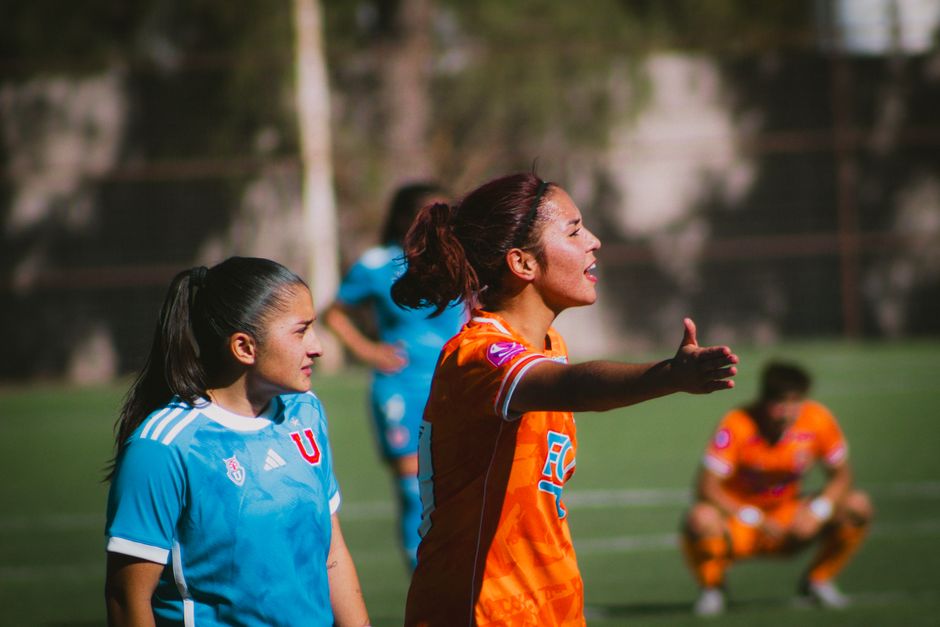
Female participation deserves particular attention. Girls now represent 38 percent of new enrolments across football and basketball programmes, up from 19 percent in 2019. Volleyball, traditionally dominated by female participation, has seen absolute numbers climb 45 percent, indicating deepening commitment rather than casual interest.
Club administrators point to post-pandemic behaviour change as crucial. Extended lockdowns left many young Santiaguinos deconditioned and anxious. Parents, acutely aware of isolation's psychological toll, have channelled resources toward structured group activities. Clubs offering mental health support alongside fitness report highest retention rates.
As the city continues its expansion, these participation trends demand attention from municipal planners. Current facility capacity already strains in several districts, and waiting lists for popular programmes stretch months. The grassroots boom, in short, is genuine—but infrastructure hasn't caught up.
This article was compiled by AI from the sources linked above and screened before publishing. See our editorial standards.
How does this story make you feel?
Spread the word
About this article
Published by The Daily Santiago
Daily brief
Free, in your inbox before 7am. Weekdays.
More in Sport