From Parque Forestal to the Finish Line: How Santiago's Endurance Clubs Are Building Something Bigger Than Sport
Running, cycling, and triathlon communities across the capital are weaving neighbourhoods together, one training session at a time.
Running, cycling, and triathlon communities across the capital are weaving neighbourhoods together, one training session at a time.
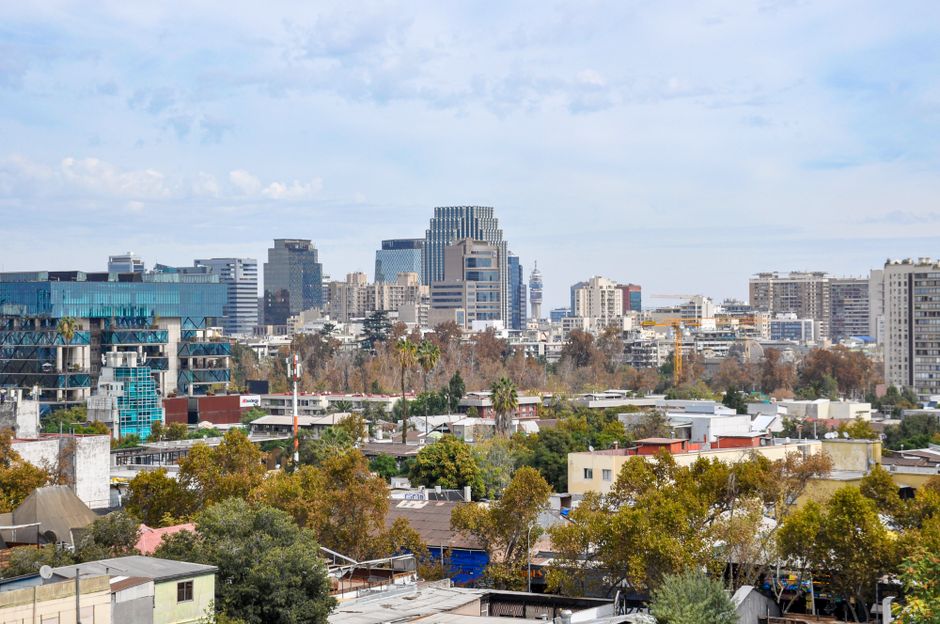
On any Saturday morning along the tree-lined paths of Parque Forestal, you'll spot them: clusters of runners in matching club colours, cyclists regrouping at the fountain near Plaza de Armas, triathletes comparing notes outside the municipal sports centre on Avenida Libertador O'Higgins. What began as scattered fitness enthusiasts has transformed into a thriving ecosystem of endurance sport clubs that are redefining community engagement across Santiago.
The numbers tell a compelling story. Over the past three years, membership in Santiago's registered running clubs has grown by 47 per cent, according to the Santiago Athletic Federation. The capital now hosts more than two dozen active triathlon clubs, up from just seven in 2020. Cycling collectives have similarly flourished, with weekly group rides now departing from neighbourhoods like Ñuñoa, Providencia, and Macul with regularity that would have seemed impossible five years ago.
"What we're seeing is clubs becoming genuine community anchors," explains Rodrigo Méndez, coordinator of the Andes Trail Running Collective, which operates training sessions from the Cerro San Cristóbal foothills. "It's not just about pace or performance anymore. People are joining because they want to belong to something."
The economics reflect this shift. Monthly membership fees typically range from 45,000 to 85,000 pesos, with many clubs offering tiered access to accommodate different income levels. Several organisations now run scholarship programmes, ensuring that geography or financial constraint doesn't bar entry. The Mapocho Cycling Cooperative, based near Quinta Normal, recently expanded to open a second training hub in La Florida, bringing structured cycling coaching to a neighbourhood previously underserved by organised endurance sport.
What distinguishes Santiago's club scene is its localism. Rather than centralised mega-clubs, the city's endurance community has organised around neighbourhoods and accessible venues: Tuesday evening track sessions at the Universidad de Chile's facilities, weekend long runs departing from Parque O'Higgins, Tuesday and Thursday evening cycling meetups along Camino Las Condes. This hyperlocal approach has created genuine social infrastructure.
Community partnerships have amplified impact. Several clubs now coordinate with municipal health departments and local schools, offering coaching clinics and introducing younger Santiaguinos to structured training. The ripple effects extend beyond sport: improved neighbourhood connectivity, reduced car dependency on weekend mornings, and visible public health engagement.
As Santiago continues to urbanise and fragment, these endurance communities are quietly stitching the city back together—one kilometre, one climb, one shared finish line at a time.
This article was compiled by AI from the sources linked above and screened before publishing. See our editorial standards.
How does this story make you feel?
Spread the word
About this article
Published by The Daily Santiago
Daily brief
Free, in your inbox before 7am. Weekdays.
More in Sport


