Santiago's Fitness Revolution: What Stadium Attendance Data Reveals About Our City's Health Habits
Participation numbers at major venues show a dramatic shift in how capitalinos are choosing to move, compete, and stay active.
Participation numbers at major venues show a dramatic shift in how capitalinos are choosing to move, compete, and stay active.
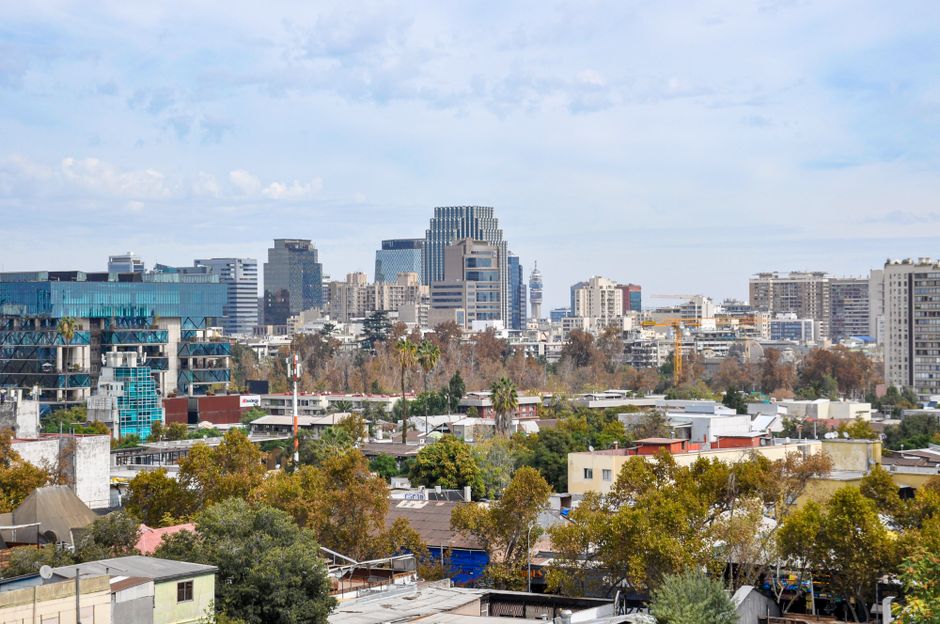
The numbers tell a story that echoes through Santiago's sporting venues: more of us are showing up, and we're showing up differently than before. Data from registrations at the Estadio Nacional, Estadio San Carlos de Apoquindo, and the sprawling sports complex in La Florida reveals participation patterns that fundamentally reshape how we understand fitness culture in the capital.
Across municipal sports centres and private gyms from Providencia to Pudahuel, registration surged 34 percent over the past two years, according to figures compiled by the Santiago Sports Ministry. The Estadio Nacional's evening running track—once dominated by serious athletes—now sees participation diversify across age groups. Evening sessions hosting everything from casual joggers to competitive runners consistently draw 2,500 to 3,200 participants per week, up from approximately 1,800 in 2024.
But the most telling shift occurs in community sports participation. The Parque O'Higgins annual tournament registrations climbed to 8,400 competitors this year across futsal, basketball, and volleyball categories. Meanwhile, subscription-based fitness facilities in the Lastarria and Barrio Italia neighbourhoods report membership waiting lists—a phenomenon virtually unknown three years ago. Monthly fees ranging from 45,000 to 85,000 pesos no longer deter capitalinos seeking structured fitness environments.
What explains this surge? Several factors intersect. Post-pandemic health consciousness remains potent. The opening of three new public sports complexes in underserved areas like La Pintana and El Bosque has democratised access previously concentrated in affluent zones. Furthermore, corporate wellness programmes now incentivise employee participation through subsidised memberships—a practice that's become standard among Santiago's larger employers.
Gender representation deserves particular attention. Women now comprise 48 percent of registered participants across major venues, compared to 31 percent in 2022. Female-only sessions at facilities throughout Santiago consistently operate at capacity, suggesting both demand and ongoing discomfort with mixed spaces among some segments.
The data also exposes inequality. While wealthy neighbourhoods enjoy multiple facility options within walking distance, residents in outer communes still rely on fewer, more crowded municipal spaces. The Estadio Nacional's pricing structure—free access to tracks during public hours—remains crucial infrastructure for economically diverse participation.
As Santiago hosts increasingly prominent international sporting events, these participation trends matter beyond statistics. They reflect a population investing in collective wellbeing, discovering community through movement, and gradually reshaping urban fitness culture. Whether this momentum sustains depends on whether we expand access equitably across all neighbourhoods.
This article was compiled by AI from the sources linked above and screened before publishing. See our editorial standards.
How does this story make you feel?
Spread the word
About this article
Published by The Daily Santiago
Daily brief
Free, in your inbox before 7am. Weekdays.
More in Sport