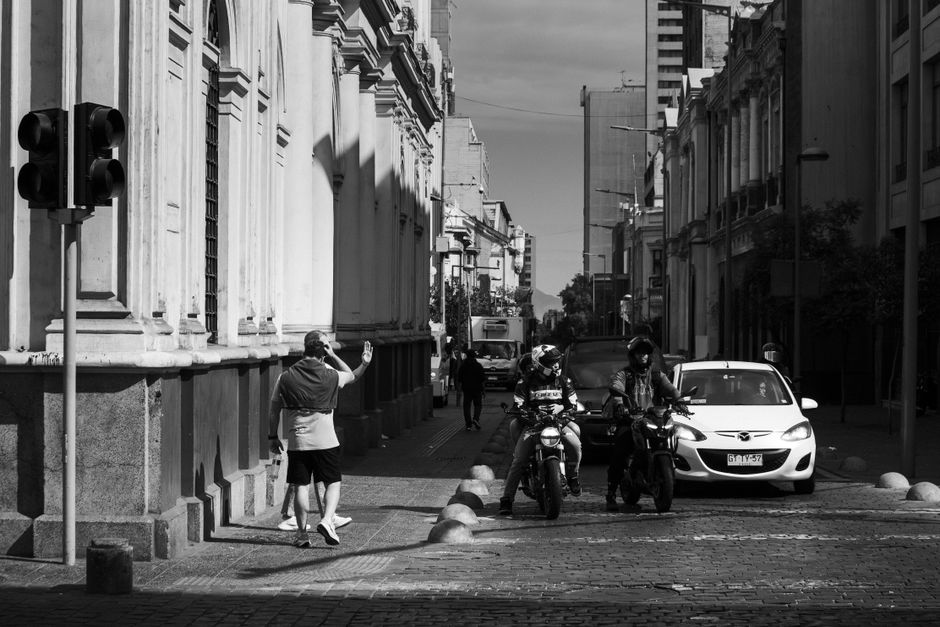
Santiago's Football Clubs Score Off the Pitch as Community Anchors Thrive
From grassroots academies in La Florida to women's initiatives in Ñuñoa, local clubs are weaving themselves deeper into the city's social fabric.
From grassroots academies in La Florida to women's initiatives in Ñuñoa, local clubs are weaving themselves deeper into the city's social fabric.
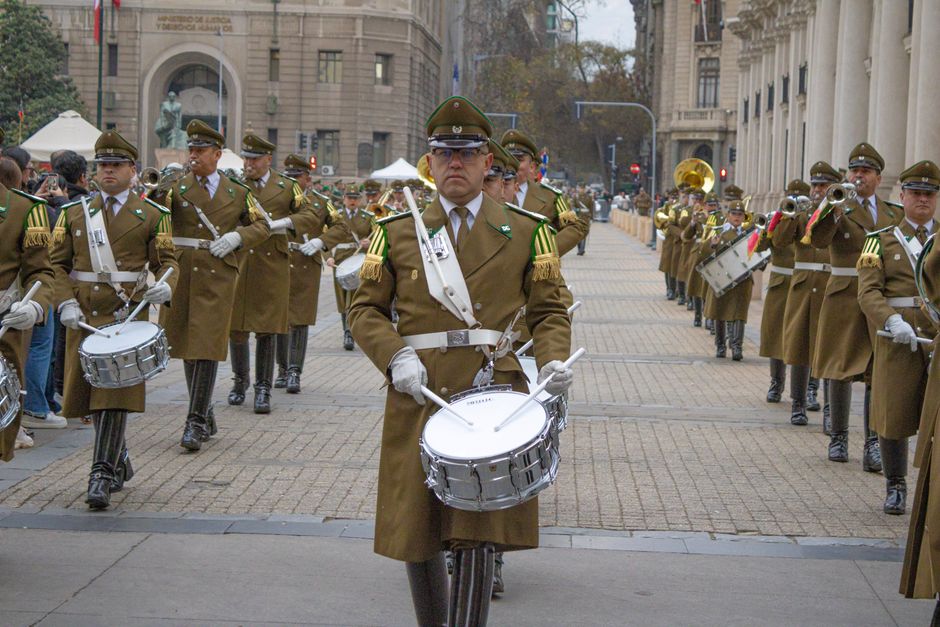
While international football dominates headlines, Santiago's neighbourhood clubs are quietly building something more durable than silverware: community resilience. As the 2026 World Cup looms and global attention swings toward elite competitions, the city's lower-league and amateur sides have become unexpected pillars of social cohesion across sprawling districts often overlooked in mainstream sports coverage.
In La Florida, one of Santiago's largest and most densely populated communes, Club Deportivo La Florida has expanded its youth academy to serve over 450 children aged 6-16, offering subsidised training at just 15,000 pesos monthly—roughly half the private club rate. The club operates from a renovated pitch near Avenida Vicuña Mackenna, where crowded weekend fixtures have become weekend fixtures for families across the neighbourhood. "We're seeing attendance up 40 percent year-on-year," says the club's youth development coordinator, noting that the academy has become a refuge for kids who might otherwise lack structured activities.
Across the city in Ñuñoa, a less publicised revolution is unfolding. Club Deportivo Ñuñoa Femenino has grown its women's section from 12 players in 2023 to 87 today, fielding competitive teams across three age categories. The club trains on the Parque Araucano grounds and has become a haven for women seeking competitive football in a traditionally male-dominated local ecosystem. Recent matches have drawn crowds of 300-400, a modest figure by professional standards but extraordinary for women's amateur football in Santiago.
The community impact extends beyond match days. Deportivo La Florida's social programmes now include literacy tutoring at the club's headquarters, benefiting 60 children who train alongside educational volunteers. Similarly, clubs in Puente Alto and San Bernardo have partnered with local education authorities to offer football scholarships, creating pathways for talented youth from economically disadvantaged backgrounds.
Local federation officials report that registration across Santiago's grassroots clubs has climbed 28 percent since 2024, suggesting a genuine shift in how residents engage with football. Unlike the professional clubs whose fortunes depend on transfer budgets and television rights, these neighbourhood sides thrive on volunteer labour, modest community fundraising, and genuine neighbourhood investment.
As Santiago hosts increasingly fractured communities grappling with urban inequality, its football clubs are demonstrating that sport's greatest value may not lie in trophies or television ratings—but in the simple, profound act of bringing neighbours together week after week, pitch after pitch, across the city's diverse sprawl.
This article was compiled by AI from the sources linked above and screened before publishing. See our editorial standards.
How does this story make you feel?
Spread the word
About this article
Published by The Daily Santiago
Daily brief
Free, in your inbox before 7am. Weekdays.
More in Sport