From Empty Lots to City Streets: How Santiago's Grassroots Runners Built a Movement
Volunteer-led clubs transforming neighbourhoods through accessible endurance sport are reshaping how working-class Santiaguians stay active.
Volunteer-led clubs transforming neighbourhoods through accessible endurance sport are reshaping how working-class Santiaguians stay active.
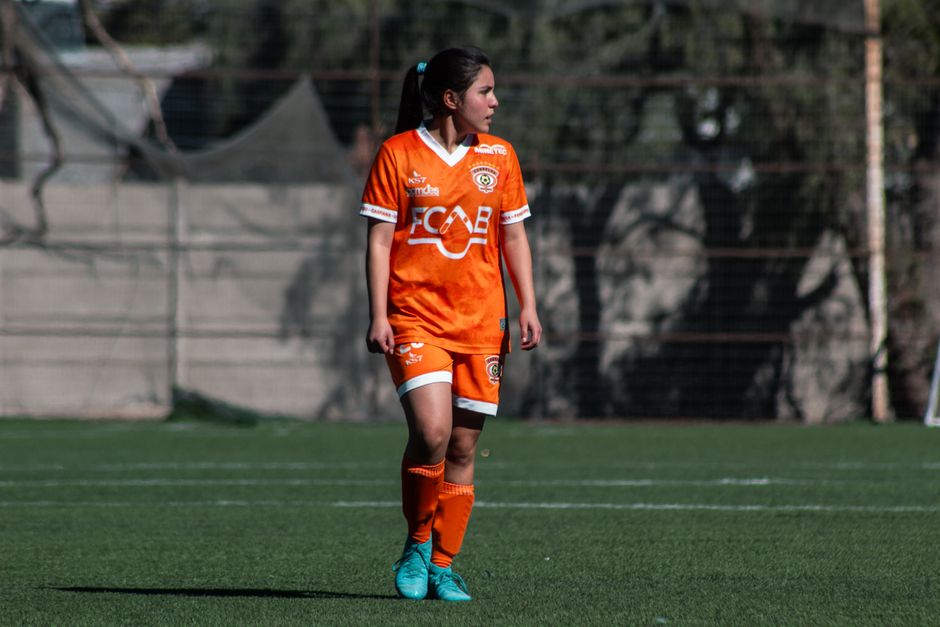
On any Saturday morning, the Parque Forestal pulses with a different kind of energy than the weekend joggers and cyclists once knew. Clusters of runners gather near the entrance on Avenida Andrés Bello—many wearing faded club bibs in colours that represent not professional teams, but neighbourhood collectives. These grassroots running and cycling communities have become the heartbeat of Santiago's endurance sport scene, driven entirely by volunteers and sustained by a fierce commitment to inclusion.
The movement gained momentum five years ago when local runners noticed a gap: mainstream triathlon clubs charged membership fees upwards of 120,000 pesos monthly, pricing out most working families. Manuel González and others began organising free training sessions in La Florida, recruiting cyclists from the nearby mercados and running routes along the Mapocho. Today, over forty grassroots clubs operate across Santiago's neighbourhoods, from Ñuñoa to San Bernardo, with combined membership exceeding 8,000 athletes.
What distinguishes these collectives is their accessibility. Clubs like Ciclo Comunal in Estación Central operate entirely on donations. Monthly group runs in Providencia charge nothing; weekend cycling excursions around the Cordillera cost members only 5,000 pesos to cover route marshalling and water stations. Triathlon training, once the preserve of wealthy athletes, now happens at municipal pools in Macul and Quinta Normal at quarter the cost of private facilities.
The infrastructure reflects grassroots ingenuity. Many clubs use WhatsApp networks to coordinate weekly meetups. Training schedules are shared via community Facebook groups with 15,000+ active members. Equipment swaps occur at informal markets; one Puente Alto cycling collective has built a workshop where volunteers repair donated bikes for participants unable to afford maintenance.
Local government has begun recognising this movement's value. Santiago's municipal sports department allocated 8 million pesos this year to support grassroots endurance clubs, funding marshals for weekend cycling routes and subsidising pool access. Yet funding remains modest compared to traditional sports programmes.
What's striking isn't the statistics—it's the transformation visible across the city. The grey industrial area around Quinta Normal now hosts Tuesday evening running clubs. Families in La Granja participate in monthly cycling events previously unimaginable in their neighbourhoods. Women's-only triathlon training groups have emerged in five districts, challenging traditional gatekeeping in endurance sport.
As Santiago's endurance sport movement enters a new phase, its greatest strength remains its origins: ordinary athletes determining their own sporting futures, one neighbourhood run, one community ride at a time.
This article was compiled by AI from the sources linked above and screened before publishing. See our editorial standards.
How does this story make you feel?
Spread the word
About this article
Published by The Daily Santiago
Daily brief
Free, in your inbox before 7am. Weekdays.
More in Sport