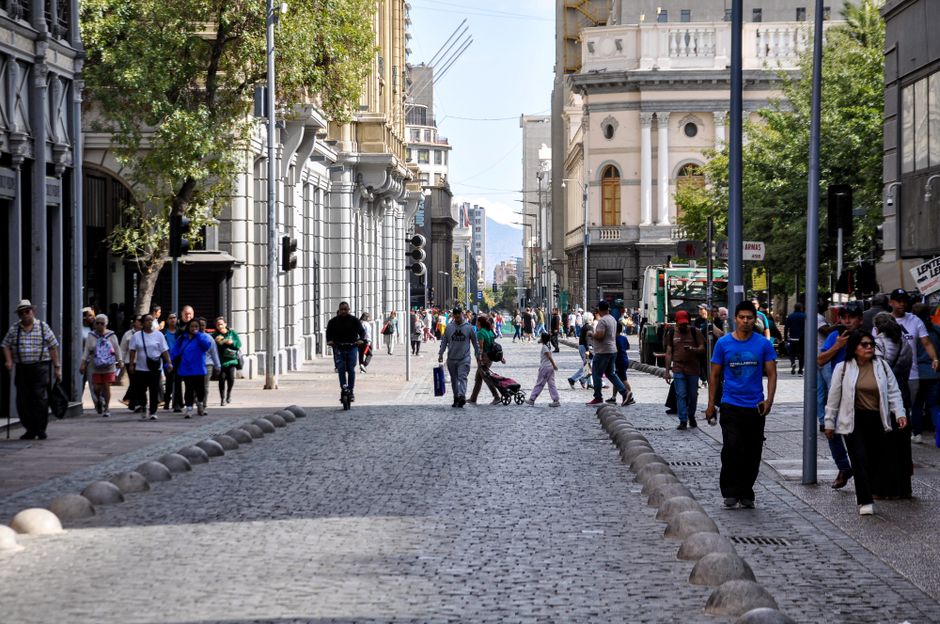
Santiago's youth sport ecosystem is experiencing a tangible shift. Walk through Ñuñoa or Las Condes on any weekday afternoon, and you'll see children flowing into renovated community centres, municipal courts, and newly upgraded training grounds—a visible sign that investment in grassroots infrastructure is finally reaching the city's neighbourhoods.
The numbers tell part of the story. Over the past three years, Santiago's municipal government has allocated approximately 8.4 billion pesos to sports facility upgrades across 15 districts. The newly refurbished Complejo Deportivo Lastarria in Providencia, which opened last October, now hosts youth programmes in football, basketball, and volleyball for nearly 400 young athletes weekly. Similarly, the Parque Intercomunal La Florida—expanded in early 2026—added four new basketball courts and a 200-metre synthetic running track, addressing longstanding capacity shortages in the southern zones.
Yet the reality remains uneven. While affluent neighbourhoods like Vitacura benefit from private club facilities with Olympic-standard amenities, communities in La Pintana and Pudahuel still rely on aging infrastructure. Local youth sport organisations estimate that approximately 60 per cent of Santiago's youth lack regular access to quality training venues, a gap that perpetuates talent loss before it develops.
The Fundación Deporte Para Todos, operating across eight Santiago neighbourhoods, has become a critical bridge. Their initiative to activate underused school gymnasiums during afternoons and weekends has created accessible entry points for children aged 7 to 16. Membership costs average 15,000 pesos monthly—a barrier for low-income families, though scholarship programmes now cover approximately 30 per cent of participants.
Infrastructure alone doesn't build pathways to elite sport. The challenge now centres on connectivity: linking neighbourhood facilities with talent identification, coaching development, and competitive pathways. Several clubs operate in isolation, lacking systematic progression routes that might propel promising young athletes towards regional and national representation.
Community leaders acknowledge progress but emphasise urgency. As Santiago positions itself for continued growth as a sporting hub, the city's ability to nurture homegrown talent depends fundamentally on whether facility investment reaches beyond the capital's privileged zones. The next phase requires not just new buildings, but integrated systems that transform bricks and mortar into genuine opportunity.
This article was compiled by AI from the sources linked above and screened before publishing. See our editorial standards.