Santiago's Grassroots Clubs Build Champions and Community Bonds
From Ñuñoa to Las Condes, local youth organisations are proving that sustainable sporting culture thrives when clubs invest in neighbourhoods, not just trophies.
From Ñuñoa to Las Condes, local youth organisations are proving that sustainable sporting culture thrives when clubs invest in neighbourhoods, not just trophies.
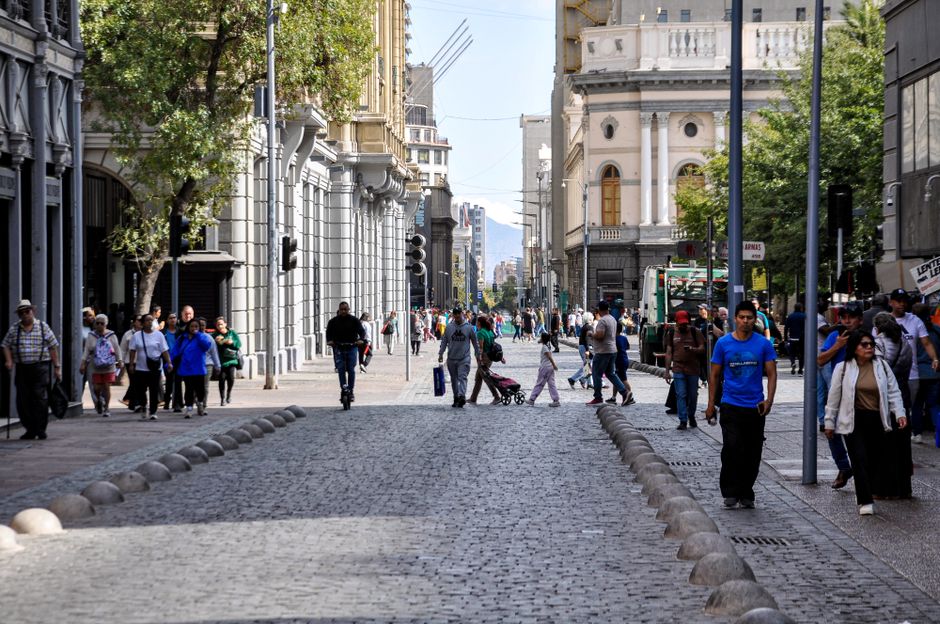
Walk through Parque O'Higgins on any Saturday morning and you'll witness the heartbeat of Santiago's youth sport renaissance. Dozens of grassroots football clubs, volleyball teams, and athletics groups transform the park's fields into a sprawling ecosystem of opportunity—one where neighbourhood kids develop skills, friendships, and resilience alongside their technical abilities.
This decentralised model is reshaping how Santiago approaches youth development. Rather than concentrating resources in elite academies, established clubs across working and middle-class districts are thriving by embedding themselves in their communities. The Club Deportivo Ñuñoa, operating from facilities near Avenida Pio Nono, now serves over 450 junior members across five sports. Their annual membership costs between 45,000 and 65,000 pesos—substantially lower than centralised academies—making competitive sport accessible beyond Santiago's wealthiest families.
"The model works because it's local," explains the operational reality at clubs like Deportivo San Miguel, which has expanded its youth programme by 38 per cent since 2023. With three training grounds across the San Miguel district and partnerships with municipal authorities, these clubs address a critical gap: most talented young athletes in Santiago historically required family resources to pursue serious training. Now, district-based clubs offer structured pathways at community scale.
The infrastructure investment is visible across neighbourhoods. Recoleta's Club Juventud Hispana recently renovated its training pitch using municipal grants and private sponsorships, while Las Condes-based Deportivo Universitario expanded coaching staff to include university-qualified trainers willing to work at grassroots level. These aren't glamorous professional facilities, but they're purposefully designed for adolescent development rather than spectacle.
Data reveals the impact. Over 12,000 young Santiaguinos now participate regularly in neighbourhood-based clubs—a 29 per cent increase from 2022. Retention rates have improved as communities see their investment reflected in local success: three players from Ñuñoa's academy signed professional contracts last year; San Miguel produced two national age-group representatives.
Beyond medals and contracts, these clubs function as social anchors. After-school programmes, scholarship initiatives for disadvantaged youth, and family engagement events create belonging in increasingly atomised urban neighbourhoods. A teenager training three evenings weekly at their local club isn't just developing as an athlete—they're building identity within their district.
Santiago's grassroots clubs prove that sustainable youth sport doesn't require mega-investments or centralised structures. It requires commitment to neighbourhood presence, affordable access, and qualified coaching at scale. As these clubs continue flourishing across districts, they're demonstrating that community-embedded sport builds both champions and the social fabric that sustains them.
This article was compiled by AI from the sources linked above and screened before publishing. See our editorial standards.
How does this story make you feel?
Spread the word
About this article
Published by The Daily Santiago
Daily brief
Free, in your inbox before 7am. Weekdays.
More in Sport