Santiago's Football Dream Faces Reality Check: Can Aging Stadiums Keep Pace With World Cup Ambitions?
As local clubs eye continental glory, crumbling facilities and infrastructure gaps threaten to undermine the capital's sporting renaissance.
As local clubs eye continental glory, crumbling facilities and infrastructure gaps threaten to undermine the capital's sporting renaissance.
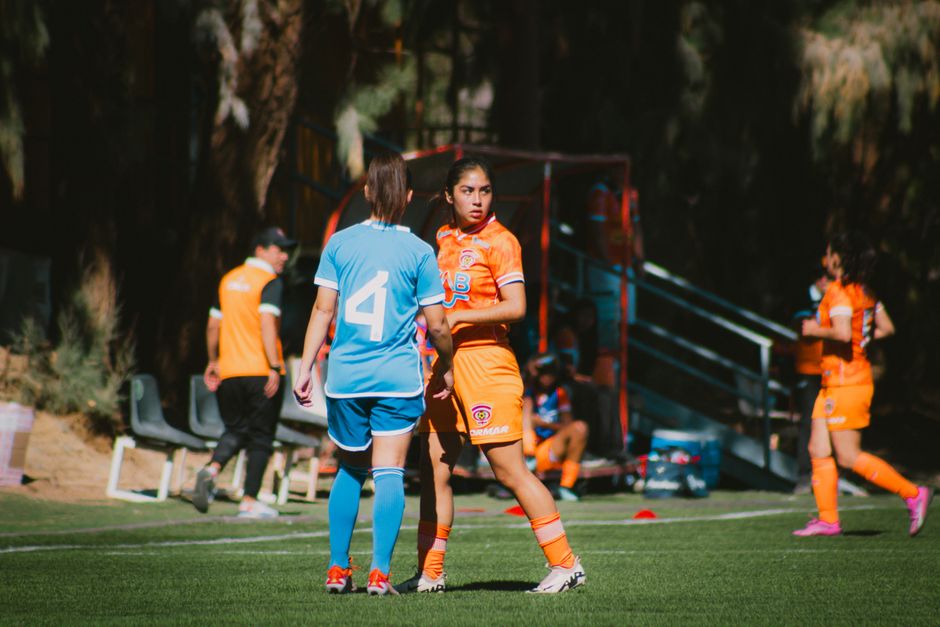
Walk through the Ñuñoa neighbourhood on any given Saturday, and you'll see it: hundreds of families streaming toward Estadio El Campesino, hoping the turnstiles work and the floodlights hold. It's a scene replicated across Santiago, where passion for football remains undiminished even as the venues hosting the sport strain under decades of deferred maintenance and insufficient investment.
The capital's football infrastructure tells a tale of ambition outpacing resources. While clubs like Universidad de Chile and Colo-Colo continue to compete at the highest levels, their home grounds—El Campesino and Monumental respectively—operate far below modern standards. The Monumental, nestled in the Macul district, manages crowds exceeding 47,000 on match days, yet persistent complaints about drainage systems, seating deterioration, and inadequate disabled access facilities have become as routine as the pre-match anthems.
Recent investment by Santiago's municipal government has yielded mixed results. The renovation of training facilities in La Florida district, completed in 2024, cost approximately 8.2 million pesos and now serves seven lower-division clubs. Yet this represents a fraction of what's needed across the metropolitan area. Technical staff at regional clubs report that many training grounds still lack proper irrigation systems, forcing teams to work on hardpan surfaces during Santiago's dry season—a particular challenge given June-August temperatures can plummet below 5°C.
Youth academies across the city face particularly acute challenges. The Fundación Fútbol para Todos operates seventeen pitches throughout Santiago's outer communes, but only four meet FIFA-standard dimensions. Equipment budgets hover around 12,000 pesos monthly per facility—barely sufficient for basic maintenance, let alone upgrades.
The infrastructure gap has real consequences. Scouts from Argentine and Brazilian academies frequently pass over Santiago talent, citing inadequate training environments. Meanwhile, promising young players migrate north to Valparaíso or south to Concepción, where newer facilities attract investment and attention.
City officials have pledged 45 million pesos over three years toward stadium modernisation, beginning with the Campesino's roof reinforcement and expanded medical facilities. If implemented, these upgrades could position Santiago competitively as South American clubs jostle for continental relevance. Yet timing remains critical—without swift action, Santiago risks ceding its position as the region's football epicentre to better-resourced rivals.
The passion remains. The infrastructure? That's another match entirely.
This article was compiled by AI from the sources linked above and screened before publishing. See our editorial standards.
How does this story make you feel?
Spread the word
About this article
Published by The Daily Santiago
Daily brief
Free, in your inbox before 7am. Weekdays.
More in Sport