Amateur Leagues Tell a Story: What Santiago's Participation Numbers Reveal About Our Fitness Culture
New data from recreational sports clubs shows a city embracing organised play—and some surprising gaps in who's taking part.
New data from recreational sports clubs shows a city embracing organised play—and some surprising gaps in who's taking part.
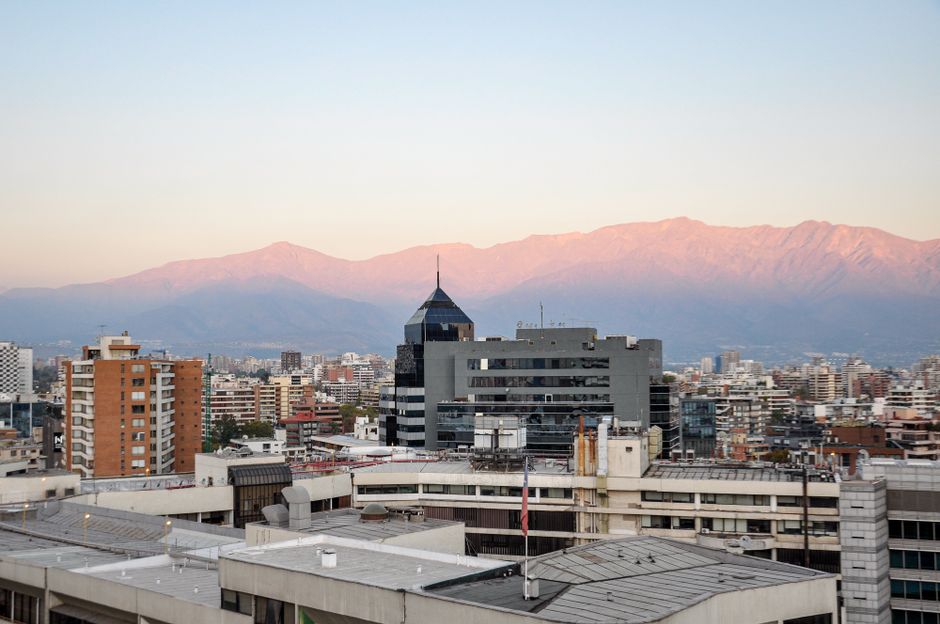
Walk through Parque Forestal on any Saturday morning and you'll see them: impromptu football matches, cycling groups assembling near the Mapocho riverside, tennis players queuing at courts in Ñuñoa. But numbers released this month by the Santiago Municipal Sports Directorate paint a more nuanced picture of how this city actually moves.
Participation in registered amateur leagues across Santiago has grown 34 percent since 2022, reaching approximately 47,000 active players across all sports. That figure—released in June—suggests genuine momentum. Yet the breakdown reveals telling patterns about our neighbourhoods and their relationship with organised recreational sport.
Football dominates participation data, unsurprisingly. The city's amateur futsal and five-a-side leagues claim 18,500 registered players, with clusters concentrated in Independencia, La Florida, and around the Estadio Nacional precinct. Monthly fees typically run 25,000–35,000 pesos per player. But tennis, increasingly popular among middle-income earners, shows steeper growth: 8,200 participants, up 67 percent from four years ago, with courts in Vitacura and Las Condes accounting for nearly 60 percent of all bookings.
What's notable is what's absent. Neighbourhood sports clubs in western Santiago—Cerro Navia, Quinta Normal, Pudahuel—report minimal amateur league participation relative to their populations. Organisers cite cost barriers and limited facility access. A basic membership at Providencia's well-resourced Club Hispano runs 40,000 pesos monthly; equivalent clubs west of the Mapocho struggle to fill rosters at 18,000 pesos.
Running clubs have become the city's unlikely success story. The Asociación de Corredores de Santiago now counts 3,800 members, up from 1,200 in 2020. Weekend group runs from Plaza de Armas and through the cycle paths of Parque Metropolitano suggest a fitness culture shifting from isolated gym routines toward communal activity. Women comprise 41 percent of registered runners, a demographic balance rarely achieved in traditional sports.
Swimming and volleyball, once pillars of Santiago's recreational scene, have stalled. Indoor pool access remains limited, with municipal facilities in Macul and San Miguel operating at capacity. Volleyball leagues report declining registrations, dropping to 2,100 players from 3,100 in 2023.
The data ultimately reflects a city where organised sport has become more accessible and visible—yet remains deeply stratified by geography and income. The fitness culture emerging in Santiago's affluent east contrasts sharply with the largely informal play of its western neighbourhoods, a gap that numbers alone cannot resolve.
This article was compiled by AI from the sources linked above and screened before publishing. See our editorial standards.
How does this story make you feel?
Spread the word
About this article
Published by The Daily Santiago
Daily brief
Free, in your inbox before 7am. Weekdays.
More in Sport