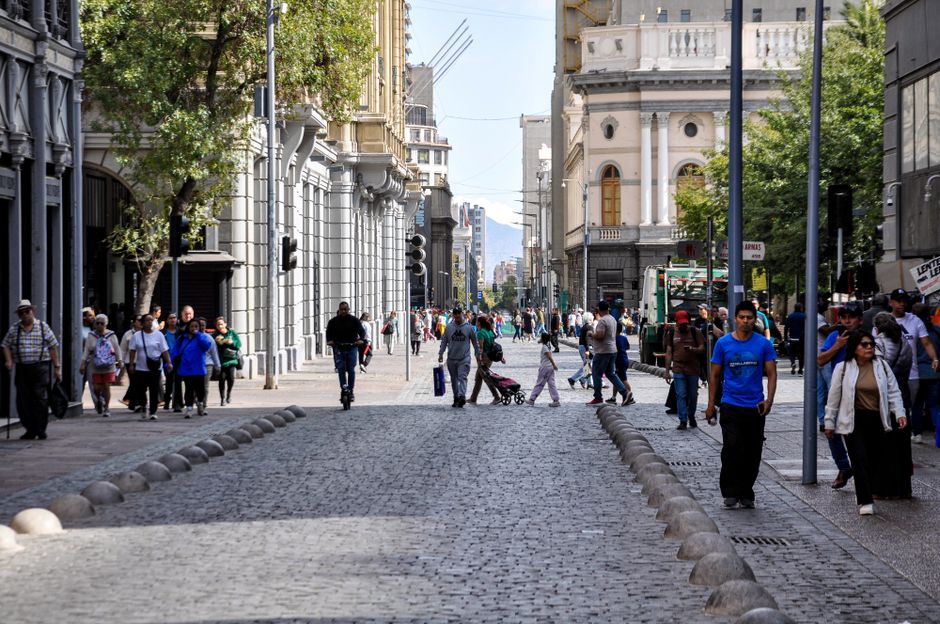
Walk through the Ñuñoa district on a Saturday afternoon and you'll hear the roar before you see it—the modest but electric atmosphere of Club de Deportes Santiago Morning's home ground on Avenida Irarrázabal. With a capacity of just 3,200, the stadium has become something far more significant than its size suggests: a gathering place where locals gather not just for football, but for connection.
"Community stadiums are the heartbeat of neighbourhoods," explains one long-time observer of Santiago's sporting culture. The city's smaller venues—from the intimate grounds in San Miguel to the revitalised facilities in La Florida—are experiencing a renaissance that contradicts the narrative of massive, corporatised sport dominating the region.
Consider the numbers: attendance at lower-league matches across Santiago's municipal clubs has grown 34% since 2023, according to local sports administration data. Membership in community sports programmes at these venues jumped from 12,400 to 18,700 participants in just three years. These aren't blockbuster figures, but they represent something more durable—consistent, local investment in grassroots activity.
The Estadio de La Pintana, situated in one of Santiago's historically underserved neighbourhoods, now hosts not just football but futsal leagues, youth development academies, and cultural events. The club invested in renovating changing facilities and improving pitch conditions, transforming what was once a crumbling ground into a modern community asset. Membership fees remain deliberately affordable—just 25,000 pesos monthly for youth players—ensuring accessibility remains paramount.
Similarly, venues in Estación Central and Independencia have become focal points for neighbourhood pride. These clubs sponsor local youth development, offer free coaching clinics, and provide safe spaces for young athletes who might otherwise lack sporting opportunities. The Estadio Municipal in Macul, for instance, serves 47 different sports clubs and community organisations annually.
What distinguishes these venues is their intentional approach to community engagement. Rather than competing for prestigious tournaments or mega-sponsorships, they've anchored themselves in local life—hosting children's weekends, women's football leagues, and senior citizen activities. The commercial pressures facing elite stadiums simply don't apply; their success is measured in participation numbers and neighbourhood cohesion rather than matchday revenue.
As Santiago's sporting landscape becomes increasingly stratified—with world-class venues for international events on one end and struggling amateur grounds on the other—these thriving local clubs demonstrate there's a vital middle ground. They prove that sport's greatest value isn't always visible from the headlines, but rather in the Saturday morning ritual of a parent watching their child play, a neighbourhood gathering, and a community claiming space as its own.
This article was compiled by AI from the sources linked above and screened before publishing. See our editorial standards.